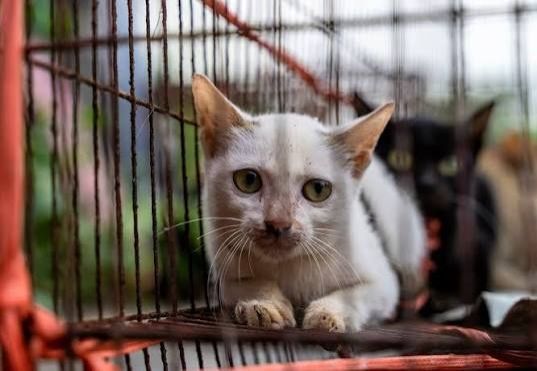
Vietnam's police have successfully broken up an organised crime ring responsible for systematically stealing cats across southern Vietnam, leading to the recovery of more than 400 live animals and the reunion of at least 40 felines with their rightful owners. The operation, which culminated in the arrest of nine suspects, represents a significant enforcement action against pet theft in Ho Chi Minh City, where residents have increasingly fallen victim to coordinated animal abductions over the past three years.
The scale of the criminal operation became apparent when authorities raided facilities connected to the gang, discovering 400 living cats and 80 carcasses preserved in ice. A separate location yielded an additional 21 animals, indicating the syndicate had been operating multiple collection points to aggregate stolen pets before sending them to slaughter. The suspects confessed to luring and trapping cats systematically across the southern region, according to the official Ho Chi Minh City police newspaper, suggesting this was not opportunistic theft but rather a well-organised enterprise generating revenue from the pet meat trade.
The Vietnamese legal framework permits the consumption of dog and cat meat, with numerous restaurants openly marketing these products to customers. However, vendors face regulatory requirements to provide documentation proving the legitimate origin of their animal products—a requirement the accused gang apparently flouted entirely. By stealing pets rather than sourcing animals through legal channels, the suspects circumvented these verification mechanisms while simultaneously depriving families of beloved companions. This distinction highlights how the gang operated in a grey zone between legal commerce and outright criminal activity.
Police initiated their investigation after fielding multiple complaints from Ho Chi Minh City residents concerning widespread pet thefts. The breakthrough came when officers traced these incidents to the criminal organisation, ultimately enabling them to execute raids that disrupted the entire supply chain from theft to processing. The timing and coordination of the police response suggest that sufficient intelligence had been gathered to move decisively against all nodes of the operation simultaneously, preventing suspects from destroying evidence or dispersing the stolen animals.
Following the rescue, animal welfare organisations immediately mobilised to provide care and facilitate reunification with owners. Humane World for Animals, which issued a statement praising the police for their swift intervention, confirmed that at least 40 cats had been successfully returned to their families. However, the trauma inflicted by the ordeal proved fatal for approximately 100 of the rescued animals, which perished despite receiving subsequent care. This mortality rate underscores the severe stress and poor treatment conditions the cats endured during their captivity within the theft and processing network.
The immediate aftermath of the operation has shifted focus toward the welfare of remaining animals held as evidence during the criminal prosecution. Humane World for Animals raised concerns about the long-term care of approximately 100 cats still housed at police facilities, warning that the institutional environment and extended detention posed ongoing health risks. The organisation has taken proactive steps to mitigate these dangers by donating food supplies and arranging for cooling equipment, including fans, to prevent heat stress during the hot Vietnamese summer months.
For Malaysian readers, this case carries particular relevance given the presence of similar informal pet meat trade networks across Southeast Asia. While Malaysia does not legally permit the consumption of dogs and cats for food, informal markets and black-market suppliers occasionally surface, often operating in the shadows of more general live animal markets. The Vietnamese case demonstrates how organised criminal syndicates can exploit lax enforcement and informal market structures to operate large-scale theft operations, a phenomenon that authorities across the region remain vigilant against.
The broader context of this bust reflects changing attitudes toward animal welfare in Vietnam, particularly among urban populations who increasingly view cats and dogs as companion animals rather than food sources. The involvement of animal rights groups in post-rescue care and the cooperation of police with these organisations suggest a gradual shift in institutional perspectives toward animal protection, even within a legal framework that permits traditional consumption practices. This tension between legal permissibility and evolving social norms around animal ethics represents a significant undercurrent in Southeast Asian societies undergoing rapid urbanisation and demographic change.
The incident also raises questions about supply chain transparency in the informal food sector throughout Southeast Asia. The requirement for Vietnamese vendors to certify animal origins mirrors regulations in other countries, yet the ease with which the criminal gang operated without such documentation reveals enforcement gaps. For consumers concerned about food safety and ethical sourcing, the case highlights the risks inherent in purchasing from unregulated vendors who cannot provide verifiable provenance for their products. Enhanced market surveillance and stricter penalties for trafficking in stolen animals may be necessary to deter similar operations in the future.