The Department of Wildlife and National Parks (Perhilitan) will launch a dedicated task force to examine and revise the legal framework and operational guidelines for elephant processions, triggering a comprehensive policy review following widespread public reaction to footage of elephants participating in an event at Pasir Tumboh in Kelantan's Kota Bharu district. The decision reflects heightened scrutiny of how wildlife is managed during public gatherings and represents a significant institutional response to animal welfare concerns that have gained traction among Malaysian audiences on social media platforms.
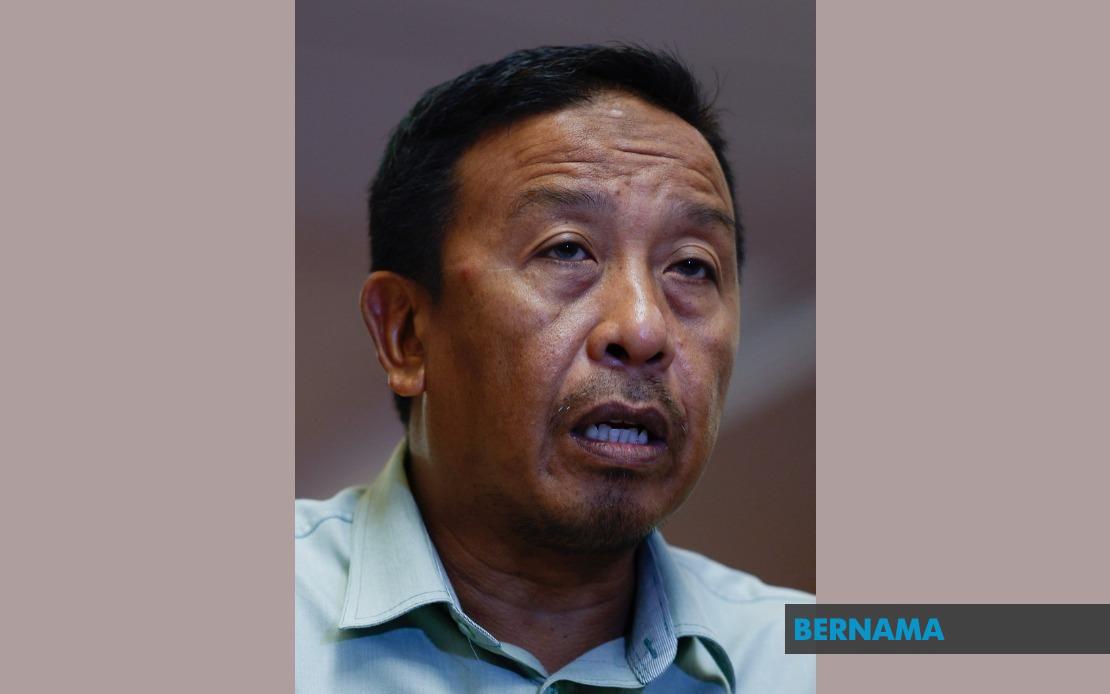
Datuk Abdul Kadir Abu Hashim, the department's director-general, announced that the review will unfold through collaborative consultation with multiple government bodies and external parties invested in wildlife protection standards. Beyond Perhilitan's internal reassessment, the matter has been escalated to two oversight agencies—the Integrity Unit housed within the Ministry of Natural Resources and Environmental Sustainability and the Governance Investigation Division of the Malaysian Anti-Corruption Commission—indicating the authorities view potential procedural or compliance failures as matters touching on institutional accountability and ethical governance.
The existing regulatory framework governing such activities dates back nearly a decade. Perhilitan operates under an SOP originally established on December 31, 2016, which has served as the baseline standard for managing elephant participation in public programmes. However, the renewed controversy suggests that stakeholders—including animal welfare advocates and concerned citizens—perceive gaps between the written guidelines and their practical implementation on the ground, or question whether current standards adequately prioritise animal wellbeing during public exhibitions.
The Kelantan incident itself proceeded through what appeared to be proper administrative channels. On May 25, the Kelantan Land and Mines Office submitted an application seeking permission to display elephants alongside other wildlife as components of a MADANI Community Programme in Kampung Pasir Tumboh. The Special Permit Application Committee reviewed and approved this request at a meeting held on June 16, working within the framework established by existing SOPs at that time. By this account, the event operated within the bounds of contemporary regulatory approval mechanisms.
Perthilitan maintains that it fulfilled its welfare obligations throughout the process. The department conducted veterinary health assessments prior to the event, applying criteria intended to ensure only elephants in suitable condition would participate. Additionally, animal welfare evaluations were performed before the programme commenced, during its execution, and following its conclusion. This tiered assessment approach reflects current best practice thinking about how to monitor animal condition during public engagements, though the viral video suggests public perception diverged from the department's assessment of whether standards were adequately met.
The decision to involve the Integrity Unit and MACC, rather than limiting the review to wildlife specialists alone, carries implications that extend beyond technical animal management. These agencies typically investigate concerns about adherence to procedures, potential conflicts of interest, or whether decision-making processes operated with appropriate rigour. Their involvement signals recognition that questions about the approval and execution of the event may touch on governance quality and institutional reliability—matters that demand independent investigation beyond departmental self-assessment.
This situation underscores an emerging tension in Malaysia between centralised permitting systems for wildlife management and decentralised public expectations about animal welfare standards. What constitutes acceptable treatment of captive elephants in cultural or community contexts remains contested terrain, with social media activism increasingly able to mobilise public opinion rapidly. The department's commitment to "improving practices based on public feedback" acknowledges this dynamic, though it also reflects potential recognition that existing SOPs may require updating to align with evolving societal attitudes toward animal welfare.
Abdul Kadir's appeal for verified information reflects another dimension of modern governance challenges. Viral videos stripped of contextual information can circulate faster than official explanations, potentially distorting public understanding of what occurred and why. Yet this framing also invites scrutiny of whether Perhilitan's own communication strategies sufficiently prioritise transparency and proactive disclosure, or whether the department typically responds to crises reactively rather than establishing public confidence through consistent educational engagement.
The mechanics of filing complaints reveal institutional accessibility mechanisms. Members of the public can contact Perhilitan via the dedicated hotline at 1-800-88-5151 or utilise the Public Complaints Management System accessible through the department's official website. These channels theoretically enable grassroots concerns about wildlife management practices to reach decision-makers, though the effectiveness of such systems depends on follow-up responsiveness and genuine consideration of feedback rather than procedural acknowledgment alone.
For Malaysian stakeholders concerned with wildlife protection, this episode highlights both the existence of regulatory structures and their potential limitations. The involvement of multiple government agencies in the review suggests seriousness about institutional reform, yet the fundamental question remains whether enhanced SOPs will meaningfully shift how elephants are deployed in public contexts, or whether they will primarily refine the appearance of oversight without substantively reducing the frequency or scope of such activities. The task force's composition and independence will likely determine whether the review produces cosmetic procedural adjustments or genuine reorientation of how Malaysia balances cultural practices with animal welfare imperatives.

