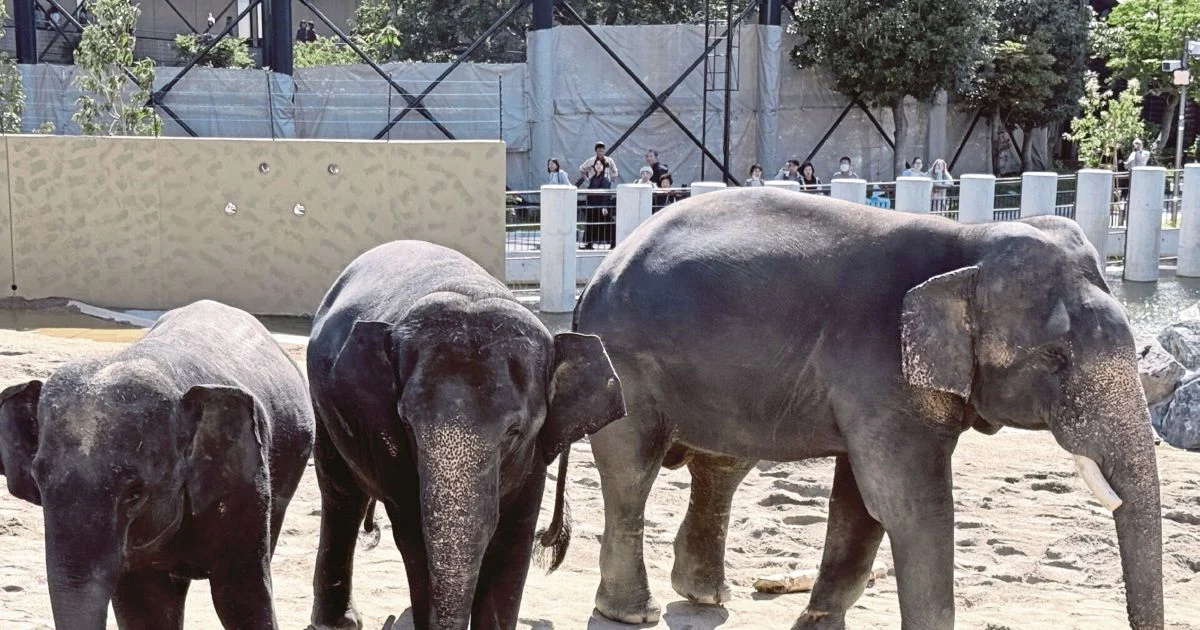
The Malaysian Anti-Corruption Commission has initiated a formal investigation into the transfer of three Asian elephants from Zoo Taiping to Tennoji Zoo in Osaka, Japan, signalling heightened scrutiny over the decision-making process surrounding the relocation. The probe represents a significant development in what had become an increasingly contentious episode involving the nation's management of its captive wildlife assets and the procedures governing international animal transfers.
Zoo Taiping, located in Perak and one of Malaysia's oldest and most established zoological institutions, had housed these three elephants as centrepiece attractions for decades. The decision to relocate them overseas triggered broader conversations about animal welfare protocols, diplomatic considerations, and the administrative mechanisms through which such consequential choices are authorised and executed at both federal and state levels. The involvement of MACC suggests concerns extend beyond routine operational matters into potential governance irregularities.
The Tennoji Zoo in Osaka represents a major international facility with extensive experience managing Asian elephants within a Japanese zoological context. The transfer itself reflects growing trends in international animal exchange agreements, where zoos across Asia and beyond collaborate on breeding programmes, conservation initiatives, and animal welfare standards. However, the timing and process of Zoo Taiping's decision appear to have raised questions within oversight bodies regarding transparency and proper procedural compliance.
Investigations of this nature by MACC typically examine whether proper authorisation channels were followed, whether competitive processes were conducted where appropriate, and whether relevant stakeholders were consulted in accordance with established guidelines. For a transfer involving valuable national wildlife assets held in public custody, such scrutiny addresses fundamental questions about institutional accountability and the safeguarding of public resources. The three elephants represent not merely individual animals but symbols of Malaysia's natural heritage and tourism infrastructure.
The investigation carries particular significance given Zoo Taiping's status as a state-managed institution under Perak's jurisdiction. Interactions between federal oversight bodies like MACC and state-level wildlife management raise complex questions about administrative accountability when matters cross jurisdictional boundaries. This case may establish precedents for how such inquiries are conducted when national institutions engage in decisions affecting protected species.
Widening awareness of the investigation has prompted renewed discussion about Malaysia's animal transfer protocols and whether existing frameworks adequately balance international collaboration with domestic conservation priorities. Wildlife advocates have increasingly questioned whether sufficient environmental impact assessments and veterinary consultations preceded the decision. The elephants' welfare during transport and adaptation to Japanese climate conditions has also become a focal point for concerned groups monitoring the situation.
From a regional perspective, the inquiry reflects Southeast Asia's evolving approach to wildlife governance and international accountability. As nations within the region increasingly cooperate on biodiversity initiatives and cross-border animal management, establishing clear protocols and transparent decision-making processes becomes essential. Malaysia's actions in this instance may influence how other ASEAN countries structure their own wildlife transfer procedures and regulatory oversight mechanisms.
The MACC's intervention also underscores growing expectations for institutional transparency across Malaysian public services. Citizens and civil society organisations now routinely scrutinise decisions affecting public assets, particularly those involving cultural or environmental significance. Zoo Taiping's elephants, having resided in Malaysian zoos for extended periods, had acquired status within the national consciousness, making their departure a matter of legitimate public interest rather than a purely technical administrative matter.
Tennoji Zoo officials have not publicly commented extensively on the investigation, though Japanese authorities would likely have completed their own due diligence before accepting the transfer. The zoo's inclusion does not necessarily imply misconduct on its part, as the investigation focuses on the decision-making processes on the Malaysian side. International zoological exchanges routinely proceed without controversy, but this instance has become ensnared in questions about governance standards and procedural propriety.
The investigation's scope and timeline remain unclear, but MACC typically pursues such inquiries with considerable thoroughness when public institutions and significant assets are involved. Key areas of examination may include documentation of approval processes, communications between Zoo Taiping management and state authorities, cost-benefit analyses if any were prepared, and whether consultation occurred with relevant wildlife conservation experts or environmental agencies.
As the investigation progresses, outcomes will likely extend beyond individual accountability to shape future decision-making frameworks within Malaysian wildlife institutions. The case demonstrates that even routine-seeming administrative decisions involving public assets face heightened scrutiny in contemporary Malaysia, where institutional transparency and proper governance procedures have become increasingly non-negotiable expectations. For Zoo Taiping and other state-managed facilities, the inquiry serves as a reminder that consequential decisions require meticulous documentation and adherence to established protocols.
The broader implications for Malaysian-Japanese relations appear limited, as both nations maintain strong ties across multiple sectors. However, the investigation may prompt both countries to develop more explicit bilateral protocols for future animal transfers, ensuring clarity about documentation requirements and approval processes from the outset. This case, while specific to three elephants, potentially catalyses improvements in how Malaysia manages international wildlife exchanges and safeguards accountability across its public institutions.

