Police in Beijing have dismantled a sprawling healthcare fraud operation that exploited emotional vulnerability and health anxieties to extract over 10 million yuan (US$1.5 million) from more than 100 elderly victims. The investigation uncovered a sophisticated scheme involving more than 20 fraudulent health centres operating across multiple districts, with over 30 suspects arrested on fraud charges. The case highlights the systematic targeting of China's rapidly ageing population, a demographic increasingly susceptible to predatory wellness schemes.
The breakthrough came when family members of a woman in her 60s discovered the staggering extent of her financial losses at a single clinic. The victim, identified as Ms. Li, had spent 700,000 yuan (US$103,000) on supposed medical treatments over an extended period. Her spending reached such extremes that when funds depleted, clinic staff pressured her to mortgage personal jewellery—specifically urging her to pawn a golden bracelet by suggesting that health was more valuable than possessions. The clinic's aggressive financial tactics underscore how the scam operated not as a simple product hustle but as a psychological manipulation targeting isolated seniors.
The operational mechanics of the fraud reveal meticulous preparation and understanding of elderly psychology. Staff members initially cultivated trust through modest transactions, with Ms. Li beginning her relationship with the centre by purchasing a simple 38-yuan (US$6) foot massage voucher. Rather than hard-selling immediately, the operators employed relationship-building tactics including remembering personal dates like birthdays and demonstrating personalised attention. These gestures created emotional bonds that competitors—including the seniors' own children—failed to match, making the clinics appear as substitute family units.
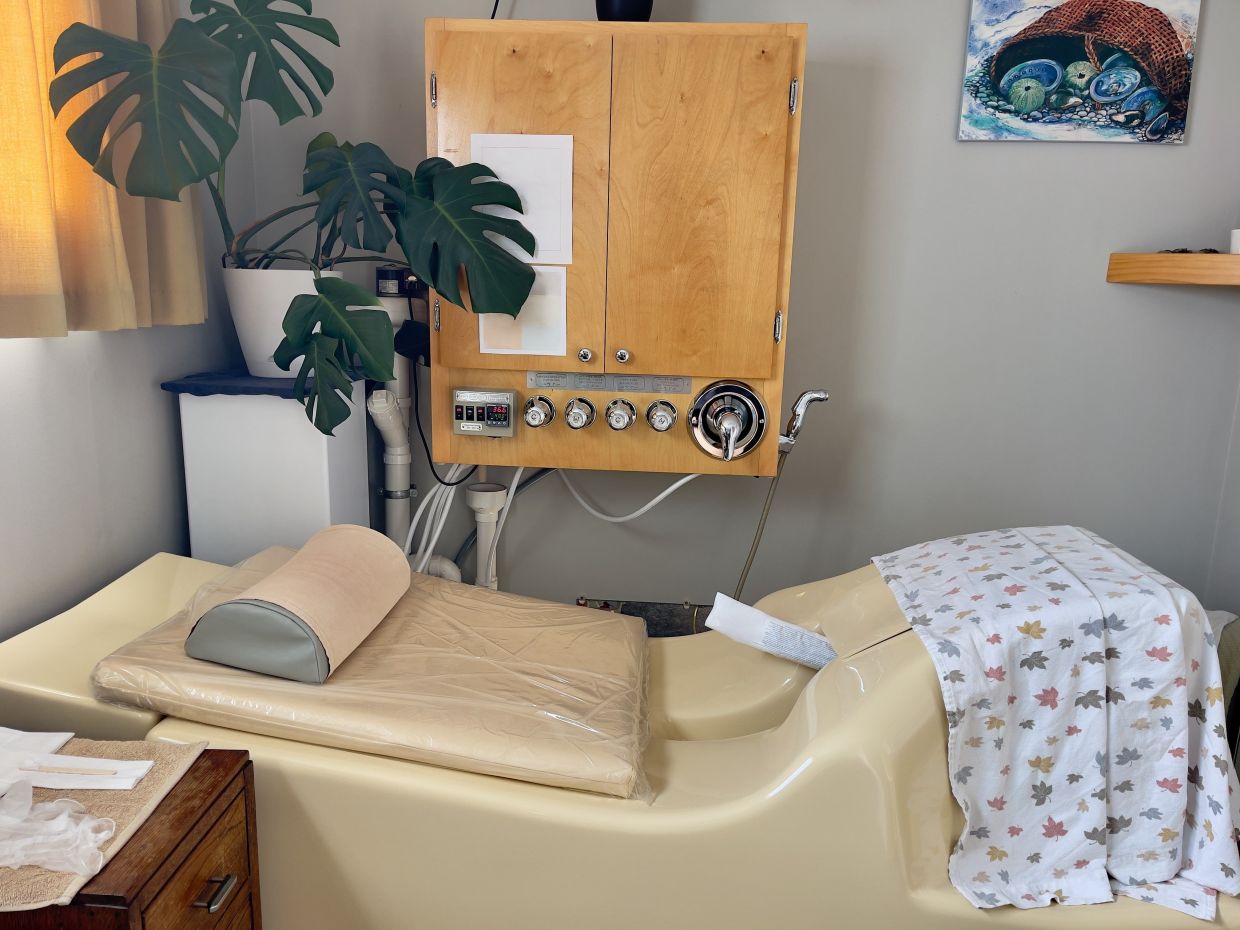
The core deception centred on fabricated intestinal detoxification treatments featuring a clever visual manipulation. When performing the supposed cleansing procedure, staff members added dark soy sauce, a common culinary condiment, to the cleansing liquid. The dark colour created the illusion that toxins were being extracted from the body, providing tangible visual "evidence" of illness and justifying expensive ongoing treatment regimens. Individual sessions cost tens of thousands of yuan, and patients were convinced they required long-term, continuous therapy for alleged conditions that never existed.
The victim recruitment strategy specifically targeted economically vulnerable yet resource-rich demographics. Police identified that the operation focused on affluent elderly individuals living alone or emotionally isolated despite having adult children. These individuals were approached at senior centres and public gathering spaces where they received complimentary "expert" medical evaluations from the fraudulent practitioners. The free consultations served as entry points into expensive treatment cycles, with fake medical credentials lending false authority to diagnoses of serious illness.
The sheer scale of the operation indicates this was not a small-time scam but an organised criminal enterprise. The health centres' combined annual turnover exceeded 30 million yuan (US$4.5 million), far exceeding legitimate business expectations for such facilities. One particularly victimised elderly person lost over 2 million yuan (US$295,000) to the network, suggesting some patients were systematically milked for maximum financial extraction over extended periods. The multi-district coordination and standardised operational procedures across 20+ locations point to a well-structured fraud network rather than isolated incidents.
China's demographic structure has created unprecedented vulnerability to such schemes. Current statistics reveal 323 million citizens aged 60 and above comprise 23 per cent of the nation's population, representing one of the world's fastest-ageing societies. Among this cohort, approximately 60 per cent are "empty-nesters"—seniors either without children or physically separated from adult offspring due to urban migration patterns. This demographic isolation creates fertile conditions for predatory organisations positioning themselves as caring substitutes for absent family members.
The emptiness-nester phenomenon particularly enables these scams because it combines financial capacity with emotional need. Seniors in this situation frequently possess accumulated savings from decades of work but lack the daily emotional engagement that family proximity would provide. Wellness centres explicitly exploit this gap by offering not just medical treatments but also social interaction, birthday celebrations, and the appearance of genuine concern. The scammers understood that an effective fraud must satisfy psychological hunger as much as it capitalises on health anxieties.
For Malaysian readers, this case carries immediate relevance given Southeast Asia's own demographic trends toward ageing populations. Malaysia's elderly demographic is growing steadily, with projections showing seniors will comprise increasingly significant population segments in coming decades. The tactics exposed in the Beijing investigation—targeting affluent isolated seniors, leveraging emotional vulnerabilities, using fake medical expertise, and employing visual deception to create belief in nonexistent conditions—represent methodologies that could easily be adapted for local markets. Healthcare fraud targeting seniors has already emerged in Malaysia, making this international case study particularly instructive for regulators and family members.
The incident underscores systemic regulatory gaps in healthcare sector oversight, particularly regarding unlicensed practitioners and fraudulent wellness centres operating with minimal supervision. The operators maintained legitimate appearances through proper business registration and professional environments, allowing the scheme to persist undetected until family intervention triggered investigation. Regulators across the region face mounting pressure to distinguish between legitimate wellness services and predatory operations, a task complicated by the genuine efficacy of some alternative therapies and the genuine suffering of elderly populations seeking relief from age-related conditions.
Industry observers quoted in reports note that the proliferation of free gifts and promotional schemes at health centres has become a standard grooming tactic, with the Beijing case representing merely the most visible instance of a widespread pattern. The observation highlights how elderly vulnerability has become commercialised systematically rather than incidentally. Legitimate healthcare facilities must now contend with the reputation damage caused by fraudulent operators, as seniors naturally become more sceptical of professional medical recommendations after exposure to sophisticated scams.
The investigation's outcome, while providing some justice through arrests and prosecution, cannot restore the financial and emotional damage inflicted on victims. Ms. Li and dozens of elderly peers lost not merely money but also the dignity of independent living and the hope that they could trust healthcare professionals. The case serves as cautionary evidence that rapid ageing without corresponding social support systems creates predictable vulnerabilities that criminal networks will exploit with relentless efficiency. Preventing future such incidents requires not only better regulatory oversight but also community-level solutions addressing the fundamental isolation driving elderly populations toward fraudulent providers in the first place.

