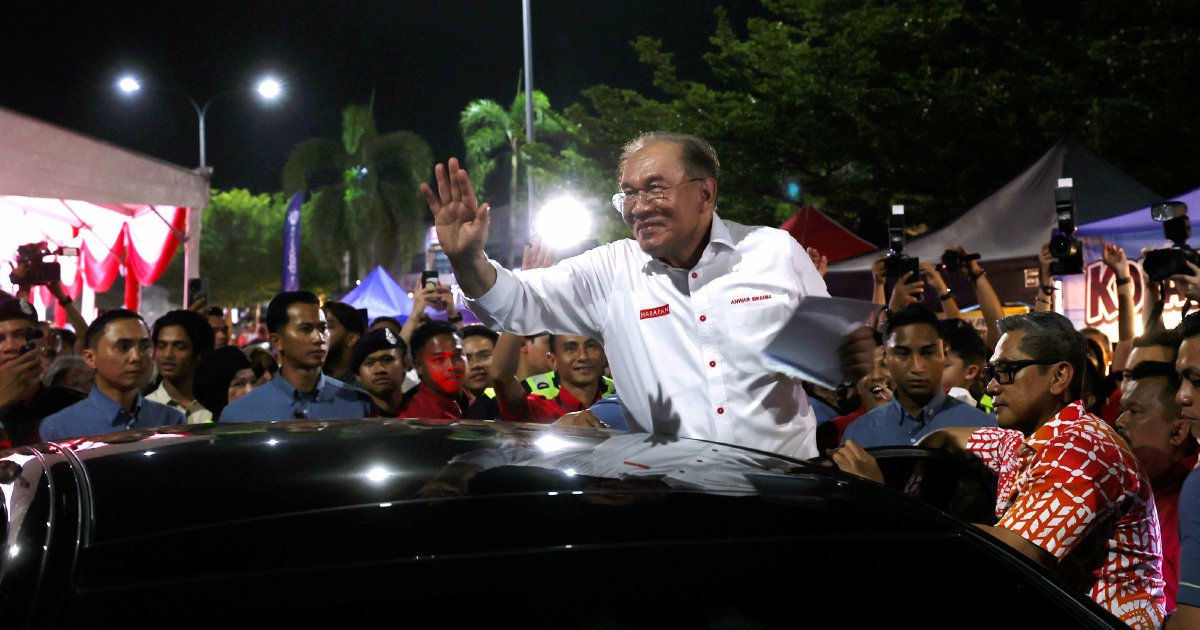
Prime Minister Datuk Seri Anwar Ibrahim has extended a public apology to the Indian community in Malaysia over previous remarks he made concerning Hindu temples, a move that a Democratic Action Party lawmaker has interpreted as demonstrating authentic commitment to the principles of religious pluralism and national unity.
The apology represents a notable moment in Malaysia's ongoing efforts to navigate religious sensitivities and foster inter-community dialogue. Hindu temples occupy a particularly significant place in the cultural and spiritual life of Malaysia's Indian population, making statements about these institutions matters of considerable community concern. The PM's willingness to address past comments directly addresses longstanding tensions and reflects the delicate balance required in managing a multicultural nation with multiple faith communities.
The gesture takes on additional significance given Malaysia's history of religious friction and the importance of political leadership in setting the tone for communal harmony. When senior government figures acknowledge concerns raised by minority communities and take corrective action, it establishes a precedent that grievances warrant serious engagement rather than dismissal. This approach contrasts with political cultures where leaders double down on controversial positions or attempt to minimize their impact through deflection.
For Malaysia's Indian community, which comprises approximately seven percent of the national population and faces persistent challenges around economic representation, educational access, and social integration, symbolic gestures from the highest levels of government carry meaningful weight. The apology signals that Hindu-related issues fall within the scope of matters deserving prime ministerial attention, rather than being relegated to lower bureaucratic tiers. This elevation of the issue acknowledges the community's importance to the national conversation.
The DAP lawmaker's positive characterization suggests that at least within the party, there is satisfaction that the Prime Minister is responding appropriately to community concerns. The DAP, which represents significant urban constituencies with substantial minority populations, has traditionally positioned itself as an advocate for religious freedom and inter-faith understanding. The party's response thus reinforces its brand positioning while also indicating potential collaborative space between the executive and parliamentary opposition on matters of communal harmony.
Anwar Ibrahim's leadership style has historically emphasized inclusionary politics and outreach to various community segments, though his record on religious matters has sometimes drawn scrutiny from different quarters. His apology demonstrates a pragmatic acknowledgment that previous statements, regardless of context or intent, created discomfort within an important constituent community. This recognition exemplifies the mature approach required of politicians navigating multicultural societies where perception and impact frequently matter as much as stated intention.
The specific focus on Hindu temples connects to broader questions about religious minorities' space within the Malaysian public sphere. Temples in Malaysia frequently face administrative hurdles, land disputes, and development pressures that have become contentious political issues. When national leadership addresses temple-related comments, it implicitly validates the legitimacy of concerns regarding religious sites' treatment and protection. This validation can embolden community advocacy and create political space for addressing structural impediments to religious freedom.
Regional context adds another dimension to the apology's significance. Across Southeast Asia, religious nationalism has gained momentum in recent years, creating pressures on plural societies to police minority expressions. Malaysia's response to such pressures, demonstrated through high-level political engagement with minority concerns, offers an important counternarrative. The apology thus carries implications extending beyond India-Malaysia bilateral relations to reflect wider patterns of how diverse democracies manage religious identity and community coexistence.
The broader question of how political leadership articulates positions on religion remains unsettled in Malaysian politics. Competing visions of how Islam's constitutional position relates to minority religious freedom, how development should balance religious preservation with modernization, and how political leaders should navigate these tensions continue to generate debate. Anwar's apology, while addressing a specific instance, contributes to ongoing national conversation about these foundational issues.
Moving forward, the practical implications of the apology warrant observation. Whether this gesture translates into concrete policy changes affecting temple recognition, land access, or administrative procedures will determine whether the apology represents a turning point or a symbolic moment. Communities typically measure leadership sincerity not merely through words but through actions taken subsequently. The Indian community and wider public will likely assess how seriously the Prime Minister's expressed commitment to inclusivity shapes the government's agenda on Hindu religious institutions and minority rights more broadly.
The DAP's endorsement of the apology reflects strategic calculation alongside genuine sentiment. As a political party seeking to build coalitions across racial and religious lines, the DAP benefits from demonstrated government commitment to minority concerns. However, the party also faces pressure to ensure that apologies translate into substantive advocacy and policy delivery. The statement thus positions the DAP as facilitator and monitor of government follow-through on inclusivity promises.

