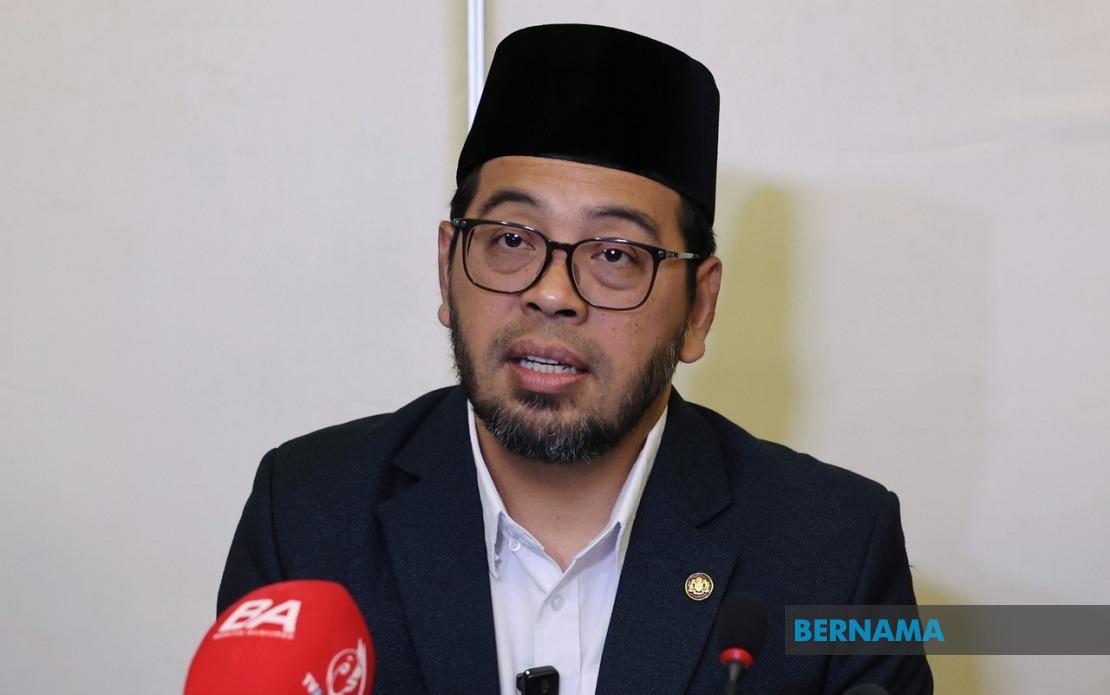
A special parliamentary sitting will convene on August 11 to allow lawmakers to scrutinise findings from a high-profile Royal Commission of Inquiry into Lembaga Tabung Haji's stewardship across the six-year period from 2014 to 2020. Minister in the Prime Minister's Department (Religious Affairs) Dr Zulkifli Hasan will deliver the formal briefing to the Dewan Rakyat, with the session commencing at 10 am.
The 211-page RCI report was made public on July 29 following Cabinet approval to disclose its contents to the nation. This decision marked a significant transparency initiative, enabling comprehensive parliamentary and public examination of the state-owned Islamic financial institution's governance and strategic direction during a period that encompassed substantial changes in Malaysia's economic landscape and regulatory environment.
Zulkifli, in a brief video statement released to media outlets, indicated that Finance Minister II Datuk Seri Amir Hamzah Azizan would join him in winding up the parliamentary debate. The dual ministerial involvement underscores the seriousness with which government leadership regards the inquiry findings and the subsequent parliamentary discourse.
Significantly, Zulkifli confirmed that the Cabinet has signalled its intention to pursue disciplinary and legal action against individuals identified as bearing responsibility for governance failures or misconduct. This commitment to accountability extends beyond mere acknowledgement of the report's recommendations and suggests concrete remedial steps will follow the parliamentary debate.
The special sitting has already generated considerable legislative interest, with Communications Minister Datuk Seri Fahmi Fadzil noting that at least 40 MPs have registered their intention to participate in debate proceedings. This substantial parliamentary engagement reflects the widespread concern among elected representatives regarding Tabung Haji's operational trajectory and the potential implications for millions of Malaysian pilgrims whose savings are entrusted to the institution.
Tabung Haji's institutional significance extends beyond mere financial considerations. As the custodian of hajj savings for Malaysian Muslims and a major Islamic financial entity, the institution carries profound religious, social, and economic dimensions. The RCI's examination of its management practices carries implications for public confidence in Islamic financial institutions broadly and raises questions about governance standards across government-linked companies.
The 2014 to 2020 period examined by the commission witnessed evolving challenges in Malaysia's financial sector, including heightened regulatory scrutiny, changing investment landscapes, and shifting economic conditions following the 2018 change of government. Understanding how Tabung Haji navigated these complexities, and where management may have faltered, provides crucial insights into institutional resilience and decision-making frameworks at senior levels.
Parliamentary scrutiny of the RCI report represents a critical juncture in holding leadership accountable and ensuring that publicly available findings translate into meaningful reform. The breadth of planned participation suggests MPs across multiple parties recognise the importance of these proceedings, potentially transcending typical partisan divides when institutional governance and public trust are at stake.
For Malaysian pilgrims and their families, the parliamentary debate and subsequent government actions carry direct relevance to the security of their savings and the quality of service provision. Families planning future hajj journeys will be particularly attentive to assurances regarding the institution's financial stability and operational improvements.
The government's decision to hold a special sitting rather than incorporating the report into regular parliamentary business indicates the priority accorded to this matter. This procedural choice provides dedicated time for detailed examination and debate, allowing lawmakers to probe specific findings, question officials, and establish a clear parliamentary record regarding institutional accountability.
As Southeast Asian nations grapple with strengthening governance across government-linked entities and Islamic financial institutions, Malaysia's handling of the Tabung Haji situation may serve as a benchmark case study. The transparency in releasing the RCI report and the commitment to parliamentary debate reflect evolving standards for institutional accountability in the region.
The anticipated government action against individuals implicated in governance lapses signals that accountability will extend beyond institutional reforms to encompass personal responsibility. This approach addresses both systemic deficiencies and individual culpability, potentially serving as a deterrent against future misconduct across the government sector.
Ultimately, the special parliamentary sitting represents an opportunity for Malaysia's legislative branch to demonstrate robust oversight capacity and for the executive to demonstrate commitment to institutional reform and accountability. The outcome of these proceedings and subsequent government actions will substantially influence public confidence in both Tabung Haji's future trajectory and Malaysia's broader governance standards.

