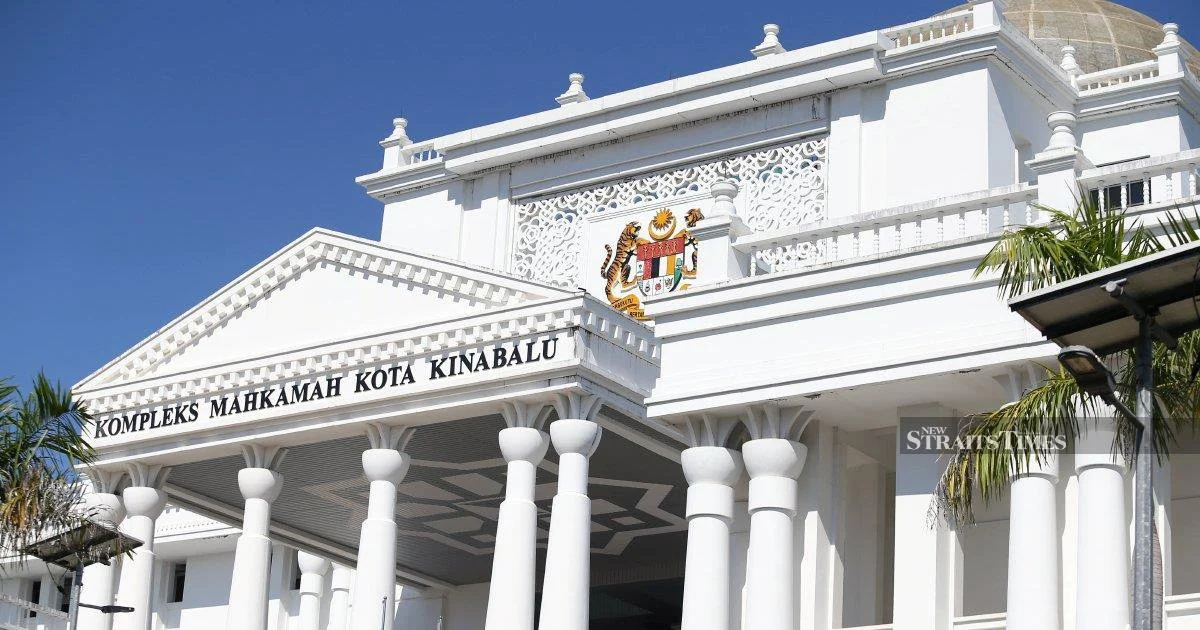
The inquest into the death of 13-year-old Zara Qairina Mahathir heard testimony in Kota Kinabalu from its 74th witness, who took the stand to provide expert analysis on documentary evidence. During her evidence, the witness disclosed a significant limitation in her ability to assess the validity of conclusions drawn by a fellow document examination expert, signalling potential evidentiary constraints in what is understood to be a complex and protracted legal proceeding.
Document examination expertise has emerged as a critical forensic discipline in high-profile cases, particularly when the authenticity or provenance of written materials becomes central to understanding circumstances surrounding disputed events. The witness's acknowledgment that she could not contradict another examiner's findings underscores the inherent challenges courts face when multiple specialists review the same evidence and may arrive at divergent assessments. This tension between competing expert opinions frequently requires judicial scrutiny and careful weighing of methodologies, qualifications, and the strength of underlying evidence.
The inquest process itself represents a formal investigative mechanism designed to establish facts surrounding deaths that occur under ambiguous or contested circumstances. In Malaysia, inquests serve a distinct procedural function, examining how a death occurred rather than assigning criminal culpability—though findings can carry significant implications for subsequent legal action. The accumulation of 74 witnesses suggests authorities have cast a wide investigative net, calling persons with potentially relevant knowledge or professional expertise to construct a comprehensive factual record.
The limitations acknowledged by this particular witness raise broader methodological questions about document examination as a forensic discipline. While practitioners employ established protocols for analysing handwriting, signatures, typewritten text, and various physical properties of documents, the field contains subjective elements that can produce reasonable disagreement among qualified examiners. Courts must navigate these complexities by evaluating the logical foundation of each expert's reasoning rather than simply deferring to qualifications or credentials.
For Malaysian observers following this case, the documentary evidence dimension may prove pivotal in establishing timeline details, intentions, communications, or corroborating testimonies from other witnesses. Documents can preserve contemporaneous records that might contradict or support oral accounts presented months or years after events occurred. The credibility of documentary analysis therefore becomes instrumental in the larger evidentiary architecture.
The witness's testimony also illuminates the practical reality that expert evidence, despite its technical authority, operates within acknowledged boundaries. Experts cannot simply declare all contrary professional opinions invalid; rather, they can present reasoned critiques and alternative interpretations. This framework requires fact-finders—in this case, the inquest judge—to synthesise competing viewpoints and determine which analysis more reliably reflects objective reality.
The progression toward the 74th witness indicates the inquest has entered an advanced stage, likely consolidating factual findings and examining remaining evidentiary gaps. Each witness contributes pieces to a larger investigative puzzle. Professional witnesses like document examiners provide technical analysis, while lay witnesses may offer personal observations, relationships, and contextual details that help reconstruct events leading to the teenager's death.
For the Mahathir family and public understanding of this case, the inquest represents an opportunity for transparent fact-finding outside the criminal trial context. While such proceedings cannot impose criminal penalties or determine guilt beyond reasonable doubt, they establish an official record that addresses fundamental questions about causation and circumstances. This record can then inform whether criminal prosecution or other accountability measures should follow.
The inability to contradict another expert's findings does not necessarily diminish this witness's value to the inquest. Her testimony may have served to confirm aspects of the documentary analysis, explore alternative interpretations, or establish the boundaries of what forensic document examination can reliably determine. Courts recognise that even negative evidence—what an expert cannot confirm—carries evidentiary weight.
Document examination expertise becomes particularly significant in cases where written materials might be disputed, forged, or subject to competing claims about authenticity and source. The technical skill of comparing ink compositions, paper characteristics, handwriting patterns, and printing methodologies can either corroborate or undermine narrative accounts presented by witnesses. When multiple experts analyse identical materials, divergent conclusions demand careful judicial evaluation of reasoning and evidence.
This 74th witness's acknowledgment reflects professional integrity—recognising that one expert's findings may rest on legitimate analysis rather than error. Rather than claiming superiority of method or interpretation, the witness deferred to colleague expertise where appropriate, demonstrating the cooperative nature of forensic investigation when done transparently and thoroughly.
As the inquest continues, subsequent witnesses may address the documentary evidence more directly or clarify how disputed materials relate to events in question. The gradual accumulation of testimony, whether confirming or conflicting, builds the evidentiary foundation upon which the inquest judge ultimately rests conclusions. For families, investigators, and the public seeking answers about deaths under contested circumstances, such meticulous examination—despite its sometimes technical and slow progression—represents the justice system's commitment to establishing truth through systematic, transparent investigation.

