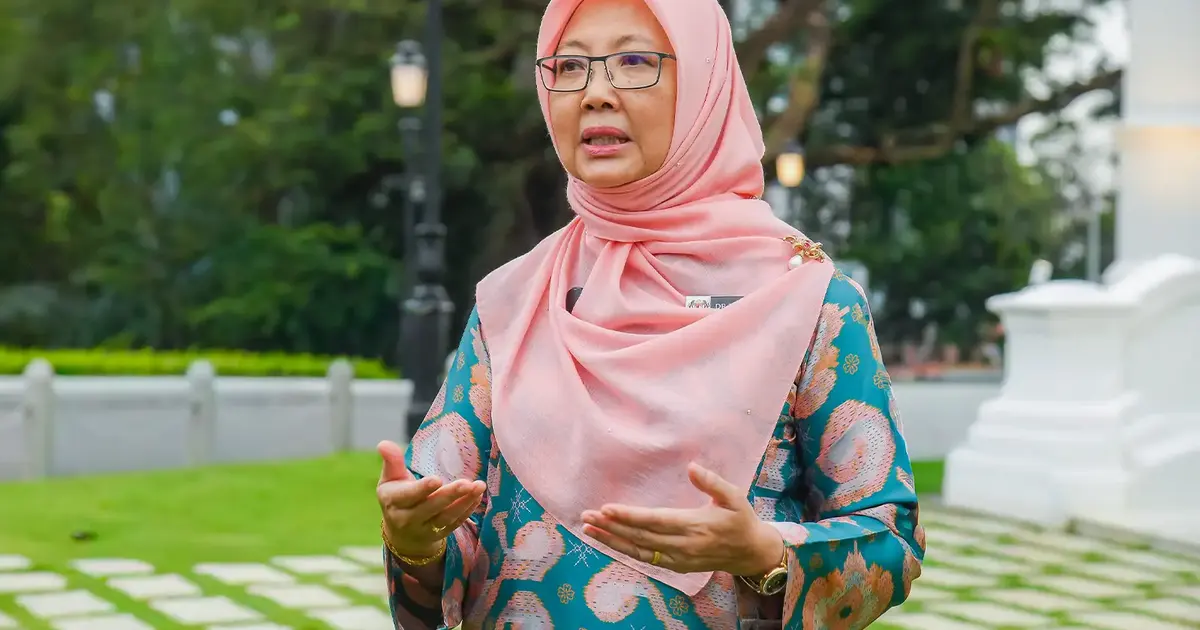
PKR vice-president Zaliha Ahmaddin has expressed confusion over Johor Barisan Nasional chairman Onn Hafiz Ghazi's insistence that Pakatan Harapan name its preferred candidate for the state's next menteri besar position, arguing the demand lacks logical foundation given the absence of any assurance that such a designation would translate into actual appointment.
The exchange highlights the complex political dynamics surrounding Johor's leadership as opposition and ruling coalition factions navigate competing interests and strategic positioning. Zaliha's scepticism underscores broader uncertainties about how the state's top position will ultimately be determined, should a change of government occur. Her response suggests internal calculations within PH about the wisdom of public commitment to any single figure before electoral outcomes and coalition negotiations are fully resolved.
Onn Hafiz's call effectively places pressure on the opposition coalition to make its intentions transparent, a common negotiating tactic in Malaysian electoral politics. However, the Johor BN chairman's request appears premature to PH strategists, since naming a specific candidate risks internal divisions, alienates other potential contenders within the coalition, and potentially allows the incumbent administration to target that individual during campaign messaging. Such public identification could also complicate post-election coalition talks if the political landscape shifts unexpectedly.
From a strategic perspective, Zaliha's reticence reflects standard PH operational practice during campaign periods, particularly in states where the coalition's viability depends on maintaining unity across its constituent parties. The PKR politician's questioning also highlights the tension between demands for transparency in democratic processes and the practical realities of coalition management in Malaysia's complex political environment. These concerns are especially acute in Johor, a state with historically strong BN presence and significant communal sensitivities that make unified opposition messaging delicate.
The broader context involves Johor's political importance as the nation's second-largest state and a consistent BN stronghold. Any shift in the state's alignment would represent a significant realignment of Malaysian politics, making the menteri besar position particularly consequential. Previous transitions in other states have demonstrated how premature public positioning can unravel coalition agreements, particularly when non-dominant coalition partners feel their interests are being marginalised or when wider party interests diverge from coalition welfare.
Onn Hafiz's push for transparency may also be tactical positioning ahead of potential state-level negotiations. By publicly requesting that PH name its candidate, the BN chairman creates a narrative advantage—should PH remain circumspect, BN can frame this as evasiveness; should PH name someone, BN gains intelligence on coalition preferences and potential vulnerabilities to exploit. This approach allows the ruling coalition to maintain initiative while placing opposition figures in reactive positions.
For Malaysian voters, particularly those in Johor considering switching allegiances or demanding accountability from either coalition, the dispute illustrates the Byzantine nature of state-level politics in Malaysia's federal system. The reluctance to publicly identify candidates before elections reflects not merely strategic calculation but also the reality that menteri besar positions often result from post-election negotiations rather than pre-election mandates. In coalition politics, the leadership position frequently goes to whoever commands the largest bloc of elected representatives, not necessarily to the figure most visibly championed during campaigns.
Zaliha's questioning also implicitly acknowledges that PH's internal dynamics in Johor remain unsettled. Multiple parties within the coalition—PKR, DAP, Amanah, and others—likely have competing interests regarding which of their figures might aspire to the menteri besar role. Premature public commitment to any single candidate risks triggering intra-coalition friction precisely when unity matters most. This calculation explains why seasoned political operators like Zaliha prefer maintaining flexibility until electoral results clarify which coalition wins and with what composition.
The exchange between Zaliha and Onn Hafiz also reflects differing communication strategies between opposition and ruling coalitions. BN, commanding state resources and incumbency advantages, can afford more aggressive public positioning and demands for opposition clarity. PH, seeking to project momentum while managing internal diversity, typically adopts more cautious public messaging. This asymmetry in strategic capacity explains why opposition figures consistently deflect calls for premature commitments.
Looking forward, the dynamics between these positions will likely shape Johor's political trajectory in coming months. Should PH remain coy about leadership candidates while simultaneously projecting electoral confidence, it risks appearing evasive to undecided voters. Conversely, naming a specific candidate too early invites targeted BN attacks and risks alienating coalition partners with alternative preferences. Zaliha's response suggests PH will likely maintain this delicate balance, releasing information about its preferred leadership only when electoral circumstances make such revelation strategically advantageous.
For Southeast Asian observers tracking Malaysia's political evolution, this Johor dispute encapsulates broader questions about coalition governance, transparency versus tactical flexibility, and the persistent gap between democratic ideals and political practice in Westminster-influenced systems managing ethnic and religious diversity. How Malaysian coalitions navigate these tensions continues to define the nation's political character.

