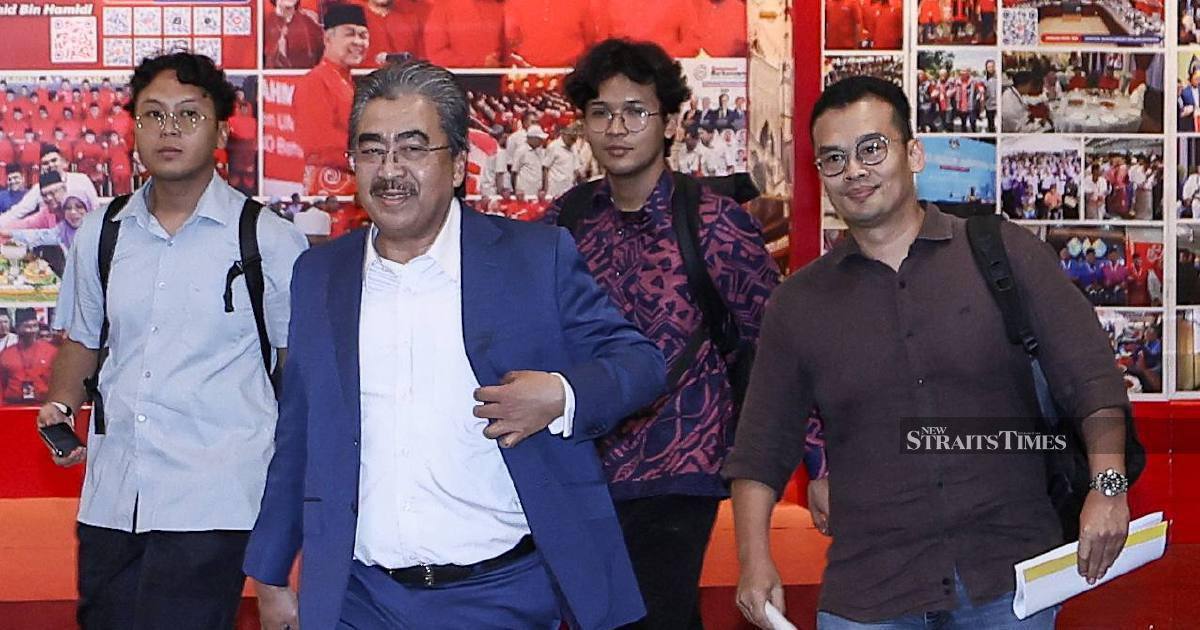
Deputy Prime Minister Datuk Seri Zahid Hamidi convened an exclusive behind-closed-doors meeting at the Umno party office in Kuala Lumpur to brief top Barisan Nasional leadership on the recently declassified findings of the Royal Commission of Inquiry examining the operations and governance of Lembaga Tabung Haji. The high-level gathering, which included representatives from Perikatan Nasional, reflected the significance national political figures attach to the institutional review of the pilgrimage savings and investment body.
The decision to hold a confidential session underscores the sensitive nature of the RCI's conclusions regarding Malaysia's largest Islamic financial institution, which manages savings for millions of Muslims planning to perform the Hajj pilgrimage. By restricting attendance to senior coalition members rather than conducting an open parliamentary session, the leadership sought to carefully manage the initial policy response and coordinate messaging across multiple parties before broader public disclosure.
Lembaga Tabung Haji has long occupied a unique position within Malaysia's financial landscape, serving dual roles as custodian of religious savings and as an active investment vehicle. The institution's performance and governance practices have attracted scrutiny over recent years, particularly following periods of market volatility and questions about management transparency. The declassified RCI report presumably addresses these longstanding concerns with formal findings and recommendations.
The inclusion of Perikatan Nasional representatives at the Umno-hosted briefing demonstrates ongoing coordination between the two major coalition blocs despite their separate parliamentary configurations. This collaborative approach suggests that findings from the RCI may carry implications requiring unified political positioning, or that addressing Tabung Haji's challenges benefits from consensus across disparate coalition partners.
For Malaysian Muslims, particularly the estimated three million-plus contributors who maintain active savings accounts with Tabung Haji, the RCI outcomes carry direct financial implications. Any substantive findings regarding governance gaps, investment performance deficiencies, or operational inefficiencies could trigger demands for internal reforms, revised contribution structures, or enhanced regulatory oversight. Malaysian pilgrims depend on the institution to safeguard accumulated funds while generating returns sufficient to offset rising international pilgrimage costs.
The briefing structure—restricted to political decision-makers rather than involving financial regulators, economists, or public representatives—suggests the leadership intends to shape policy responses internally before external stakeholder consultation. This approach carries both advantages and risks; it enables coherent political strategy development but potentially sidelines technical expertise and public input during crucial early policy discussions.
Historically, Tabung Haji has weathered considerable controversy. The institution expanded aggressively into property development and international investments during earlier decades, positioning itself as both religious institution and commercial enterprise. This dual mandate has occasionally created tensions between maximizing returns for contributors and maintaining the spiritual integrity associated with pilgrimage savings. Previous scandals involving questionable property deals and alleged mismanagement have fueled calls for stricter governance standards.
The RCI's declassification timing appears deliberate, suggesting policymakers felt sufficient confidence in the conclusions to begin circulation among political leadership. The restricted briefing format nevertheless indicates they remain cautious about public reception. Senior leaders may require time to absorb recommendations, assess financial and political implications, and determine implementation feasibility before defending the findings publicly or announcing corrective measures.
From a Southeast Asian perspective, Malaysia's experience with Tabung Haji carries relevance for other Muslim-majority nations operating similar pilgrimage savings institutions. Indonesia's Tabung Amanah Perjalanan Ibadah and other regional schemes face comparable governance challenges balancing religious purpose against investment returns. How Malaysia addresses Tabung Haji's deficiencies could influence regional best-practice approaches.
Potential RCI recommendations might span institutional restructuring, enhanced financial transparency, revised contribution schemes, or strengthened regulatory authority. Each option carries distinct implications for the three million contributors—ranging from increased transparency and better returns to potentially higher fees or modified withdrawal provisions. Political leaders attending the briefing must weigh these competing interests against public expectations for institutional reform.
The briefing's confidential nature ultimately reflects political realities surrounding Islamic financial institutions in Malaysia. Any perceived mishandling of Tabung Haji becomes immediately politicized, with opposition parties swift to exploit governance failures for electoral advantage. By carefully managing information rollout through private coalition briefings before public announcement, senior leadership aims to control narrative framing and present coordinated responses rather than facing reactive criticism.
Moving forward, the RCI report's declassification and top-level political briefing represent the preliminary phase of what will likely become extended policy deliberation. Subsequent weeks should reveal whether the coalition leadership moves toward swift, decisive reform implementation or pursues incremental adjustments. The pilgrimage savings scheme's credibility and the three million contributors' financial security depend substantially on political commitment to meaningful governance improvements rather than cosmetic institutional adjustments.

