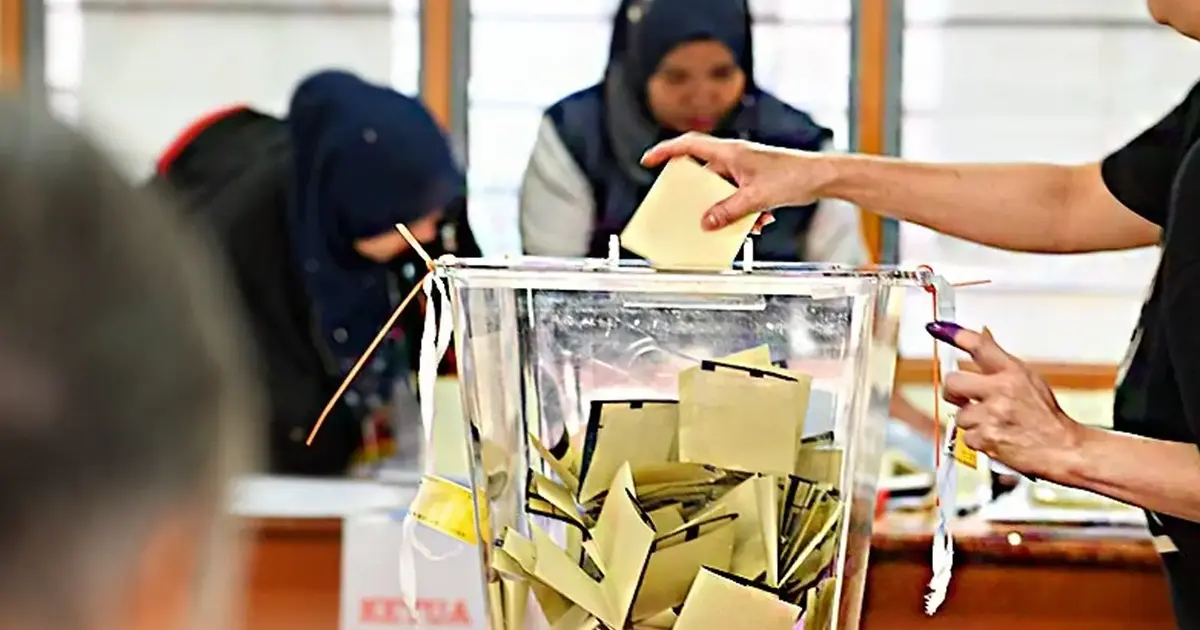
The upcoming Johor election may ultimately be decided not by any single political heavyweight but by a generation caught between aspiration and anxiety. Political analysts are flagging the 21-39 age bracket as the critical battleground where victory will be won or lost, forcing all contending parties to fundamentally recalibrate their messaging and policy platforms to resonate with this demographically significant cohort.
This younger demographic represents a substantial portion of Johor's electorate and possesses distinct concerns that diverge sharply from those of older voters. Unlike previous generations who benefited from stable employment trajectories and affordable homeownership, this cohort faces a markedly different economic landscape characterised by precarity, rising living costs, and diminished expectations of intergenerational wealth transfer. Their voting decisions will be driven less by traditional party loyalty or long-established political allegiances and more by concrete responses to immediate material challenges.
Employment stability stands at the forefront of anxieties gripping this demographic. The transition from the COVID-19 pandemic left many young professionals in this age group grappling with disrupted career trajectories, underemployment, and skill mismatches between educational qualifications and available positions. Wage stagnation, despite nominal increases, has failed to keep pace with inflation, leaving many feeling economically treading water rather than progressing. Political parties offering substantive strategies for job creation, skills development, and wage growth will likely find receptive audiences among these voters.
The housing crisis presents perhaps the most visceral concern animating this generation's political calculations. Property prices in Johor, particularly in urban centres like Johor Bahru, have escalated dramatically over the past decade, placing home ownership beyond the reach of many first-time buyers in their twenties and thirties. The gap between aspirational homeownership and economic reality has widened considerably, fuelling resentment and frustration. Parties proposing genuinely affordable housing solutions, mortgage assistance programmes, or alternative models of property acquisition will strike a powerful chord with frustrated renters and prospective buyers alike.
Economic security extends beyond individual employment and housing to encompass broader concerns about future stability. Young voters increasingly worry about the adequacy of pension systems, healthcare access, and financial resilience in the face of economic shocks. The pandemic's disruptions highlighted vulnerabilities in social safety nets and economic cushioning available to ordinary families. Parties articulating clear visions for sustainable economic growth, universal social protection, and long-term financial security will appeal to voters seeking reassurance about their futures.
Family commitments compound these economic pressures. Many voters in this bracket are simultaneously managing mortgage aspirations, childcare expenses, education costs for their children, and potentially supporting ageing parents. This intersecting web of financial obligations leaves little room for discretionary spending and creates acute vulnerability to economic fluctuations. Policies addressing childcare support, education subsidies, and elderly care provisions resonate particularly strongly with this cohort juggling multiple generational responsibilities.
The political implications are profound for all parties contesting the Johor election. Traditional approaches emphasising grand infrastructure projects or abstract ideological commitments ring hollow to voters preoccupied with whether they can afford rent next month or save for a home deposit. Parties must translate electoral promises into tangible, implementation-ready plans that demonstrably improve material conditions for young families and professionals. Vague commitments to economic growth carry little weight among voters who have heard such promises before without experiencing tangible improvements in their circumstances.
The emergence of this demographic as a decisive voting bloc also reflects broader generational shifts in how political engagement occurs. Younger voters increasingly demand transparency, accountability, and evidence-based policymaking. They are less susceptible to traditional patronage politics or emotional appeals to historical grievances. Instead, they evaluate parties based on credibility, track records, and coherent policy frameworks addressing their specific needs. Social media amplifies their voices and enables rapid information dissemination and political organising independent of traditional party structures.
For Johor, a state with significant economic importance and growing urban concentration, the stakes in capturing this demographic's support are particularly high. The state's economy faces competitive pressures from regional developments, and attracting and retaining talent depends partly on whether young professionals see economic opportunity and livable conditions. Political success in Johor therefore has implications extending beyond electoral victory to shape the state's economic trajectory and competitiveness in the broader Southeast Asian context.
As the campaign intensifies, all parties will need to conduct serious introspection about whether their current policy agendas genuinely address the lived realities of voters aged 21-39 or merely tick boxes in electoral calculations. The generation that will inherit Johor's economy and society is signalling clearly what matters most to them. Parties that listen and respond substantively stand to gain decisive support. Those that continue with old-fashioned appeals risk alienating precisely the demographic that will determine the outcome.

