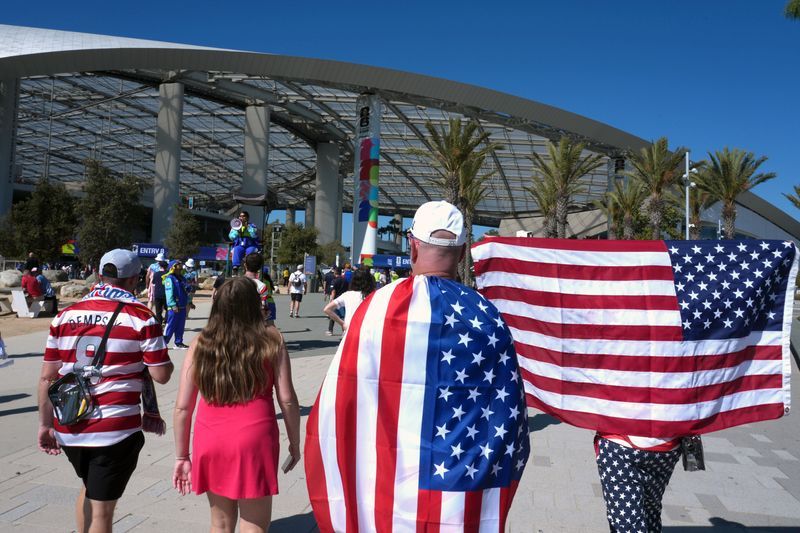
The World Cup 2026 ticketing system has descended into chaos on third-party resale platforms, leaving families devastated just hours before kickoff when tickets they purchased months earlier suddenly vanish. Jeremy Wright, who bought tickets through StubHub as a Christmas gift for his wife Sarah, received notification from the platform just five hours before the Netherlands-Japan match on June 14 that his tickets could not be delivered. Despite StubHub's "FanProtect Guarantee" promising replacement tickets at no additional cost, the system offered only a refund when he attempted to claim them. After struggling to reach customer support and losing an entire day, the Wrights abandoned their plans and drove back to Austin in the rain, their carefully planned celebration in ruins.
The Wrights represent merely the tip of an iceberg. Dozens of ticket purchasers flooded social media throughout the tournament with similar horror stories of cancellations arriving with minimal notice, leaving them stranded far from home with no way to attend matches they had paid for weeks or months in advance. Dacy Gillespie faced an identical predicament when StubHub cancelled her four tickets to Argentina's June 16 fixture against Algeria on matchday itself, after she had driven 250 miles from St Louis to Kansas City specifically to watch the game with her two sons. The pattern reveals a systemic failure affecting not just individual consumers but entire families whose World Cup experiences hinge on the reliability of third-party ticketing platforms.
StubHub's troubles stem directly from a practice known as speculative ticketing, explained Scott Friedman, a ticketing industry consultant who previously worked with the Cleveland Cavaliers. This strategy mirrors short-selling in financial markets: sellers list tickets at an inflated price, hoping to purchase them later at a lower cost and pocket the difference without ever physically holding the tickets. When ticket prices for World Cup matches continued climbing as the tournament approached—contrary to the typical pattern of declining secondary market prices at major sporting events—speculators found themselves unable to fulfil orders without accepting substantial losses. Consequently, they simply abandoned their listings, leaving unsuspecting buyers holding confirmation emails rather than actual match tickets.
The structural vulnerability lies in how third-party platforms like StubHub operate. Unlike FIFA's official ticketing system, StubHub functions solely as a resale marketplace where buyers and sellers transact directly. The platform does not possess the inventory itself and therefore cannot guarantee delivery if sellers fail to provide tickets. StubHub's policy ostensibly prohibits speculative ticketing, yet the company's own listing requirements—which do not mandate that sellers provide seat numbers when posting tickets—effectively enable this practice. Sellers of "ghost tickets" can list inventory they do not yet own, creating a dangerous disconnect between purchased orders and actual seat availability. Wright's own order, purchased on September 6 as a gift, contained only a generic "Category 3" designation with no specific seat information, indicating his tickets were almost certainly listed speculatively months before FIFA even launched its official sales process.
FIFA itself bears responsibility for the cascading failures affecting third-party platforms. The international football governing body maintains an official ticketing and resale marketplace but charges a substantial 30 percent commission on all secondary market transactions, making tickets there considerably more expensive than on competing platforms. Several fans reported finding FIFA's official platform confusing and convoluted, driving them to seek alternatives despite the added risks. FIFA has publicly rejected suggestions that its ticketing infrastructure contributed to problems on third-party platforms, insisting its own system operates reliably at scale. However, the reality appears more nuanced: FIFA's restrictive control over ticket distribution and aggressive discouragement of alternative resale channels may have inadvertently created the conditions for speculative trading to flourish unchecked on less regulated platforms.
The crisis represents a particularly acute embarrassment for the World Cup brand in North America, where ticketing transparency and consumer protection standards are generally high. This marks the first North American World Cup in more than three decades, and the tournament's adoption of dynamic pricing for the first time already drew significant criticism from fans concerned about spiralling costs. The additional layer of cancellation chaos has amplified public frustration with what many perceive as an unequal playing field favouring wealthy buyers and speculators over ordinary supporters. The contrast between fans who paid hundreds of dollars in September and those who purchased tickets mere weeks before matches underscores how supply uncertainty and speculative listing practices have distorted the secondary market.
Public outcry ultimately forced StubHub to acknowledge the scale of the problem and take corrective action, though only after complaints went viral on social media. The Wrights and Gillespie both reported feeling forced to "raise holy hell" to secure any response from the company. StubHub subsequently offered Wright complimentary seats to a semi-final match and provided Gillespie with $3,000 to offset costs she incurred purchasing replacement tickets independently. These gestures suggest the company recognises the reputational damage, yet they represent band-aid solutions rather than systemic fixes. StubHub has now established a dedicated World Cup support team and expanded its capacity to source replacement tickets, but these measures cannot undo the humiliation of families already turned away from stadiums.
The timing of additional regulatory scrutiny compounds StubHub's difficulties. This week, the UK's Financial Conduct Authority ordered StubHub UK to refund more than 50,000 customers and pay a £900,000 fine for failing to display total ticket prices transparently during the booking process. This enforcement action suggests regulators across jurisdictions are intensifying scrutiny of third-party ticketing platforms' practices, particularly regarding hidden fees and misleading information. For StubHub, the World Cup debacle arrives precisely when its brand reputation can least afford another blow. The cumulative effect of cancellations, forced refunds, and regulatory action threatens significant long-term damage to the company's market position, particularly among the core demographic of affluent sports fans who book premium tickets.
The broader implications extend beyond StubHub to the entire ecosystem of third-party ticketing platforms operating across North America and globally. The World Cup experience demonstrates that speculative ticketing practices, while profitable for platform operators taking transaction fees, ultimately undermine consumer confidence in secondary markets. Without robust verification requirements—such as mandatory seat number disclosure at listing, proof of ticket ownership before sale, or prohibitions on listings exceeding a seller's actual inventory—platforms cannot effectively prevent ghost tickets from circulating. The asymmetry of information between platforms and consumers creates environments where sophisticated speculators exploit ordinary buyers' assumptions about basic delivery guarantees. Malaysian readers familiar with ticketing for major regional sporting events should note that similar vulnerabilities likely exist in Southeast Asian secondary ticketing markets, often with even less regulatory oversight than North American platforms provide.
Moving forward, FIFA faces pressure to reconsider its approach to official versus third-party resale channels. While maintaining strict control over the official platform protects FIFA's revenue streams, the sky-high 30 percent commission creates powerful incentives for fans to use cheaper alternatives despite the attendant risks. A more balanced approach—perhaps reducing official platform commissions to competitive levels while implementing stricter verification requirements across all authorised resellers—might redirect buyers toward safer channels without sacrificing FIFA's commercial interests. The 2026 World Cup's ticketing crisis ultimately reflects a fundamental tension between maximising revenue, protecting consumer interests, and ensuring equitable access to one of sport's most significant global events. Without decisive intervention, future mega-events risk repeating these failures on an even larger scale.

