The 2026 FIFA World Cup co-hosted by the United States has become an unlikely platform for rebranding, as hundreds of thousands of international visitors discover an America that defies widespread preconceptions about the nation. Before tournament kick-off, global scepticism ran high—concerns about visa accessibility, inflated prices, safety anxieties, limited football culture, and diplomatic tensions had painted a cautionary picture for potential travellers. Yet as matches have unfolded across American stadiums, a different narrative has emerged from visiting supporters who are documenting their experiences on social media with remarkable enthusiasm, centring not on iconic landmarks but on unexpected acts of ordinary kindness.
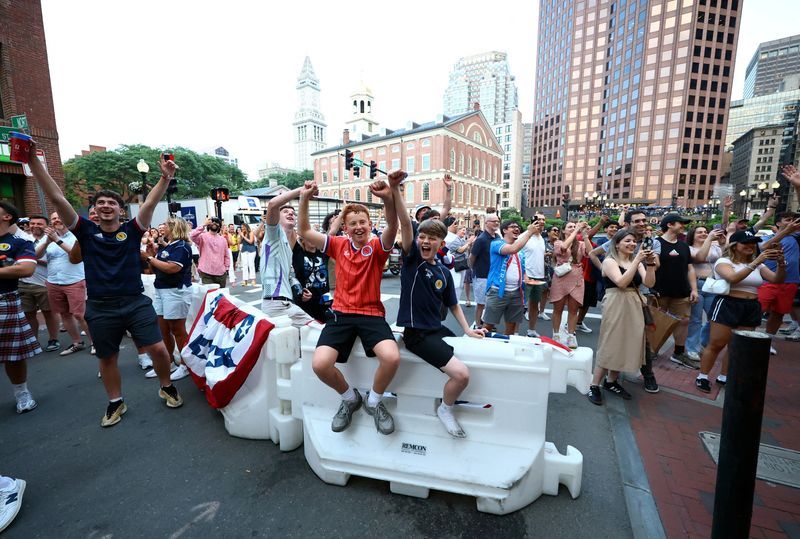
Scottish fan Gail Nicholl, part of the famous "Tartan Army," captured the shift in sentiment while celebrating in a Boston pub ahead of Scotland's match against Haiti. Strangers bought her rounds, welcomed her warmly, and struck up genuine conversations—the sort of spontaneous hospitality that leaves lasting impressions. Similar testimonies have flooded online forums and social platforms, with international visitors marvelling at the friendliness they encounter, from complimentary drink refills to Americans who go out of their way to assist lost tourists. What stands out across these accounts is not any single grand gesture, but rather the consistency of approachability and genuine interest in welcoming outsiders—a quality that many had not anticipated finding in the United States.
Sports industry specialists emphasise that these seemingly small interactions carry disproportionate significance for national reputation. Darin White, who directs Samford University's Sports Industry Program in Alabama and previously coached soccer, likens major sporting events to "the front porch" of a nation—the initial, emotionally charged impression that determines whether a visitor wishes to step inside further. Research consistently demonstrates that hosting prestigious tournaments can fundamentally reshape deeply entrenched stereotypes that would otherwise persist for decades. When people form positive memories in an unfamiliar setting, those experiences become durable anchors in how they subsequently discuss and perceive an entire country within their own communities.
What distinguishes this World Cup experience is the geographic diversity of the host nation's reach. Rather than concentrating international visitors in New York, Los Angeles, and Orlando—the customary tourist circuit—matches and fan zones have scattered visitors across secondary and tertiary American cities including Kansas City, Atlanta, Houston, Dallas, and Seattle. This dispersion exposes global audiences to authentic regional cultures that rarely feature in international media coverage. Argentine supporters in Kansas City, for instance, ventured beyond their comfort zones to sample local barbecue traditions, experiencing what many consider a culinary cornerstone of American identity outside the major metropolitan areas. Visitors from Germany similarly embraced Texan cowboy culture and regional cuisine, creating cross-cultural exchanges that occur precisely because the World Cup infrastructure has made these communities accessible.
White notes that the most transformative encounters often occur away from conventional tourist routes, where strangers provide spontaneous assistance—a Moroccan fan receiving help locating their stadium gate in Dallas, or German families receiving directions from Seattle locals. Such moments rarely generate headlines or official press coverage, yet they constitute the invisible labour that genuinely influences how individuals subsequently discuss their host country to friends and family. These grassroots interactions, accumulated across thousands of individual visitors, represent a form of public diplomacy that no government marketing campaign could replicate with comparable authenticity or persuasiveness.
However, structural barriers have prevented some international supporters from experiencing this warming firsthand. Citizens from four participating nations—Iran, Haiti, Ivory Coast, and Senegal—have encountered partial or total entry restrictions to the United States. Haiti and Iran maintain significant diaspora communities within America who might have amplified local enthusiasm, though some feel conflicted about the geopolitical dimensions of their support. Ivory Coast and Senegal, by contrast, have minimal established American populations, meaning international supporters from these nations face the prospect of following tournaments remotely rather than witnessing matches in person. The absence of these voices and perspectives from match-day atmospheres represents a missed opportunity for mutual cultural engagement and a reminder that diplomatic and immigration policies continue to constrain the universal accessibility of sporting events.
Jessica Ambres, a Brooklyn resident wearing Senegal colours at a match in New Jersey, embodied the determination of diaspora communities to maintain connection to their heritage nations despite structural obstacles. As a Black American, she felt profound kinship with the African athletes competing and recognised the World Cup as a space where she could publicly affirm her ancestral connections. In stadiums nationwide, Americans themselves have increasingly supported underdogs and nations lacking substantial local fan bases, transforming match-day atmospheres into celebrations of global diversity rather than mere expressions of national pride. This inclusive orientation suggests that American sporting culture, at least within World Cup contexts, has evolved beyond insular nationalism toward genuine appreciation for international excellence and human connection.
Climate and cost remain substantive challenges that no amount of hospitality can entirely overcome. The oppressive heat in Miami and other southern venues has tested both players and spectators, and the summer schedule means the final occurs when temperatures reach their annual peak. FIFA has reported strong attendance figures, yet elevated ticket prices and expensive travel logistics have deterred millions of potential international visitors who otherwise might have attended. Visa restrictions and processing delays have similarly prevented supporters from participating, creating a divide between those with resources and documentation allowing attendance and those watching from home. These material constraints reveal that soft power generated through hospitality exists alongside hard barriers that prevent equitable global participation.
American political leaders and business proprietors have begun calculating the long-term value of the positive sentiment being generated during the tournament. Boston Mayor Michelle Wu explicitly appealed to Scottish visitors to return for future visits, framing the World Cup not as a singular event but as the beginning of sustained tourism and ongoing relationships. This municipal-level enthusiasm suggests recognition that the tournament represents a rare opportunity to reshape international perceptions during a moment when America's political reputation has been substantially damaged by years of confrontational diplomacy and the "America First" doctrine that antagonised longtime allies including Canada, Britain, and Germany.
The tension between this current moment of goodwill and America's broader international standing remains unresolved. Whether the positive experiences accumulated during six weeks of football can meaningfully counteract decades of accumulated diplomatic friction and enduring concerns about gun violence, cost-of-living, and structural inequities will become apparent only in subsequent years through travel patterns, media coverage, and how visitors discuss their experiences. What seems certain is that the 2026 World Cup has inadvertently created thousands of informal ambassadors—people who will describe their American experiences within their home countries, potentially shifting perceptions among populations that rarely encounter American citizens and culture except through mediated representations. The tournament has transformed the United States from a skeptical host nation into an unexpected exemplar of hospitality, though whether that transformation proves durable or merely temporary remains to be determined.

