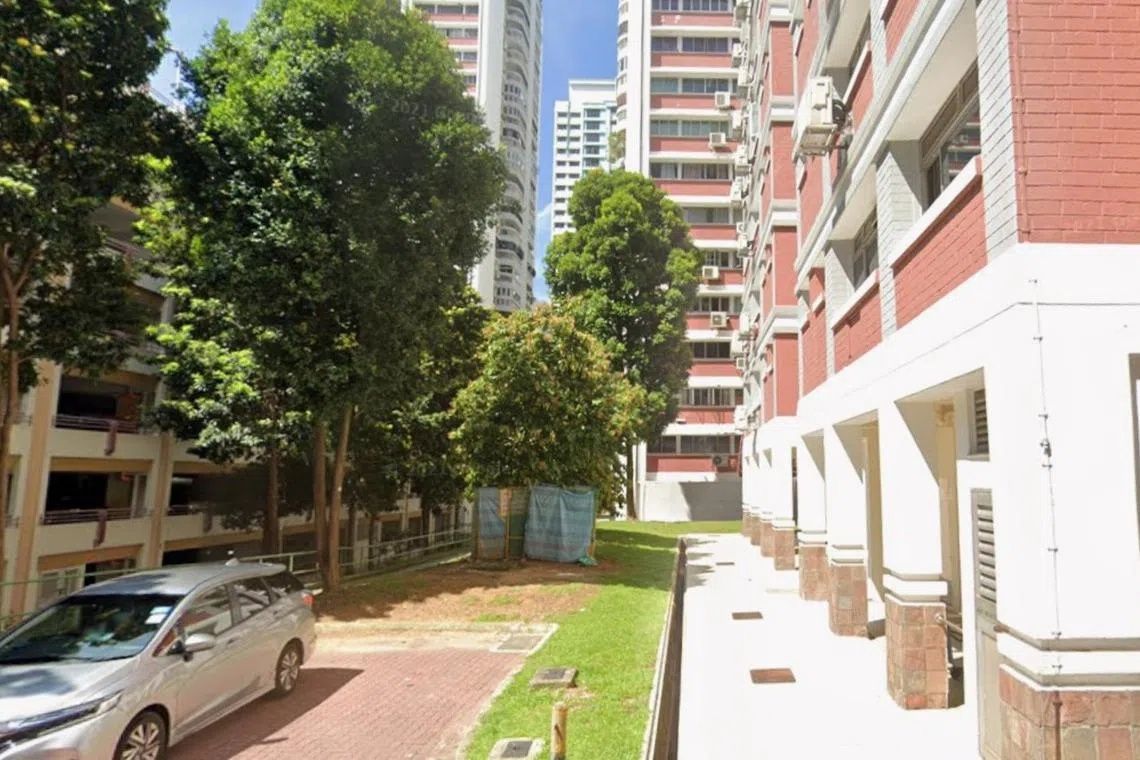
A 46-year-old woman has been taken into custody by Singapore police after stabbing an acquaintance at a Housing Board residential block in the Bukit Merah district on Saturday evening, marking another incident of interpersonal violence at public housing estates in the island nation. The assault, which occurred at 7 Kim Tian Place around 7.40pm on July 4, prompted emergency responders to rush to the scene where officers discovered the victim injured from the knife wounds.
The 43-year-old woman who fell victim to the attack was conscious when taken by ambulance to Singapore General Hospital, suggesting that while the injuries warranted immediate medical attention, they were not life-threatening at the time of hospitalisation. Details regarding the extent of her wounds or subsequent treatment remain limited as investigations proceed. The swift response by emergency services likely contributed to preventing more severe outcomes, underscoring the importance of rapid police and medical deployment in densely populated public housing estates.
Police charged the suspected attacker with causing grievous hurt with a weapon, a serious criminal offence under Singapore law that carries substantial penalties. Officers recovered the knife used in the assault, which has been seized as evidence for ongoing investigations. The specific circumstances that led to the confrontation between the two women remain unclear, though authorities confirmed they were acquaintances rather than strangers, suggesting the incident arose from a pre-existing relationship or prior disagreement.
Witnesses at the void deck of the HDB block, the open ground-level area common to Singapore public housing complexes, reported seeing bloodstains following the incident. These observations corroborate the violent nature of the attack and indicate that the assault occurred in a semi-public space rather than behind closed doors. The void deck serves as a community gathering point where residents frequently congregate, making such incidents particularly alarming for HDB communities concerned about safety in shared spaces.
The Bukit Merah housing estate, located in the central part of Singapore, comprises numerous high-rise blocks housing thousands of residents. Like other HDB estates across the nation, it relies on community policing and security measures to maintain public safety. While violent crimes within public housing remain relatively rare compared to international standards, incidents of knife attacks capture significant public attention and raise questions about personal security within residential communities.
Singapore has long maintained strict weapon regulations, with knife possession and use heavily controlled under law. Despite these restrictions, knife-related incidents occasionally surface in the city-state, typically involving kitchen implements or other accessible bladed objects rather than regulated weapons. Such occurrences highlight the persistent challenge of preventing violence between individuals with existing relationships, where personal disputes can escalate to physical confrontation.
The investigation into the Bukit Merah incident continues, with police gathering statements from witnesses and examining the circumstances that culminated in the violent encounter. Authorities will seek to establish whether the attack was premeditated or resulted from a spontaneous escalation of conflict. The nature and history of the relationship between the two women will likely form a crucial element of the police inquiry as they work to reconstruct the events leading to the assault.
For Malaysia, which shares close cultural, linguistic, and administrative ties with Singapore, such incidents serve as reminders of the unpredictable nature of interpersonal violence and the importance of conflict resolution mechanisms within communities. While violent crime rates differ significantly across the two nations, both countries grapple with balancing individual freedoms with public safety concerns. The incident also reflects broader Southeast Asian trends regarding domestic and acquaintance-related violence, issues increasingly attracting attention from social welfare and law enforcement agencies across the region.
The case underscores the vulnerability of public spaces in high-density urban environments where thousands of residents converge daily. Community safety initiatives, neighbourhood watch programmes, and accessible support services for conflict mediation have become central to crime prevention strategies in major cities throughout Southeast Asia. Singapore's approach to public housing security and community policing offers lessons relevant to other rapidly urbanising economies in the region facing similar challenges of maintaining safety in crowded residential settings while preserving quality of life for millions of residents.

