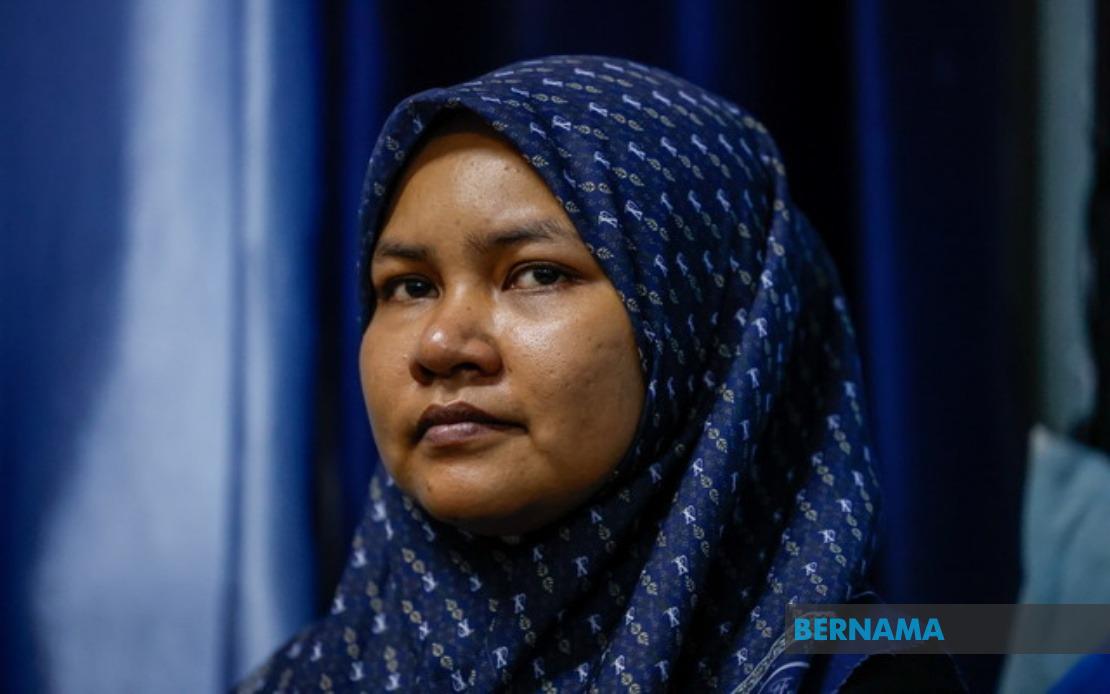
The family of a 33-year-old delivery rider killed in a collision with a car whose driver allegedly consumed drugs is moving forward with plans to file a RM1 million civil suit in August, according to their legal representative. Amirul Hafiz Omar died after being struck by a vehicle on Jalan Raya Barat in Klang on March 29, an incident that has since sparked both criminal proceedings and a major civil claim against the accused motorist.
Lawyer Nur Iffah Hizwani Omar outlined the procedural requirements that have delayed the filing of the lawsuit. The legal team acting for the widow, Nor Nadia Abdul Majid, 32, has already prepared the writ of summons and statement of claim, but formal submission hinges upon the issuance of a Letter of Administration from the courts. This administrative step is essential to establish Nor Nadia's legal authority to act on behalf of her husband's estate and to pursue compensation claims arising from his death.
The High Court in Kuala Lumpur is scheduled to make a decision on the Letter of Administration application on July 28, a milestone that will unlock the next phase of the civil litigation. Once this approval is granted, the legal team intends to obtain detailed financial records from the e-hailing platform through which Amirul Hafiz earned supplementary income. These earnings records are vital for calculating the full scope of damages, as they will demonstrate the household income that has been lost and help establish the financial burden now borne by his widow and dependents.
The RM1 million figure represents the amount instructed by Nor Nadia to be claimed in the forthcoming statement of claim, pending no unforeseen complications. This sum reflects not only immediate loss of income but also the broader economic impact on a young family suddenly deprived of its primary earner. The civil suit will be filed at the Shah Alam High Court and represents a parallel legal avenue to the criminal proceedings already underway against the accused driver.
Nor Nadia has spoken candidly about the emotional weight of losing her husband and the gradual realization of her loss over the past four months. She recounted that the initial period following his death felt almost surreal, as though he had merely departed for another workday and might return at any moment. Only after three months did the full gravity of her situation begin to crystallize, with mounting waves of grief overwhelming her as she processed the permanence of his absence from their family structure.
The widow's pain intensifies whenever she observes her children, whose presence serves as a constant reminder of the father they have lost and the routines he maintained with unwavering dedication. Amirul Hafiz maintained a disciplined daily schedule, ensuring he drove his children to school each morning and collected them at midday so the family could share lunch together. This ritual, performed consistently regardless of weather or circumstance, underscored his commitment to parental involvement and family unity. Nor Nadia has now absorbed this responsibility alongside her grief, managing school runs and household duties that were previously shared duties.
The criminal proceedings have progressed along separate but interconnected lines. On April 1, R. Saktygaanapathy, 28, was charged at the Klang Magistrate's Court under Section 302 of the Penal Code, carrying the grave accusation of murder. No plea was formally recorded at that initial hearing because the severity of the charge falls outside the magistrate's jurisdiction and must be tried in the High Court. Subsequently, on June 3, he entered a not guilty plea to an amended charge under Section 15(1)(a) of the Dangerous Drugs Act 1952, specifically related to self-administering tetrahydrocannabinol, commonly known as THC, the psychoactive compound in cannabis.
This shift in the criminal charge from outright murder to a drug offence reflects the complexity of the case and the challenges in proving culpability under Malaysia's legal framework. The allegation that the driver was under the influence of drugs at the time of the collision provided the foundation for the initial murder charge, yet the court has allowed the defendant to respond to a more specific narcotics count. The outcome of this criminal trial will likely influence public perception of accountability and may impact the civil proceedings, though the two legal tracks operate independently.
For Malaysian families, this case exemplifies the vulnerability of delivery riders and gig economy workers who face occupational hazards with limited safety nets and insurance protections. The expanding delivery sector in Malaysia has created millions of jobs for independent contractors, yet workplace safety and victim compensation remain contentious issues. Deaths like Amirul Hafiz's underscore the need for stronger regulations governing drug-impaired driving and enhanced protections for workers in the informal economy whose families lack robust statutory compensation schemes.
The civil suit represents Nor Nadia's attempt to secure financial justice for her family through the courts, a remedy that complements but cannot replace the criminal accountability being pursued by prosecutors. The RM1 million claim, once filed, will require the defence to respond, potentially leading to negotiations, further legal motions, and eventually either a settlement or a judicial determination of damages. Throughout this process, Nor Nadia must navigate her dual roles as grieving widow and family provider, transforming personal tragedy into legal action that may set precedent for similar cases involving impaired drivers and innocent victims.

