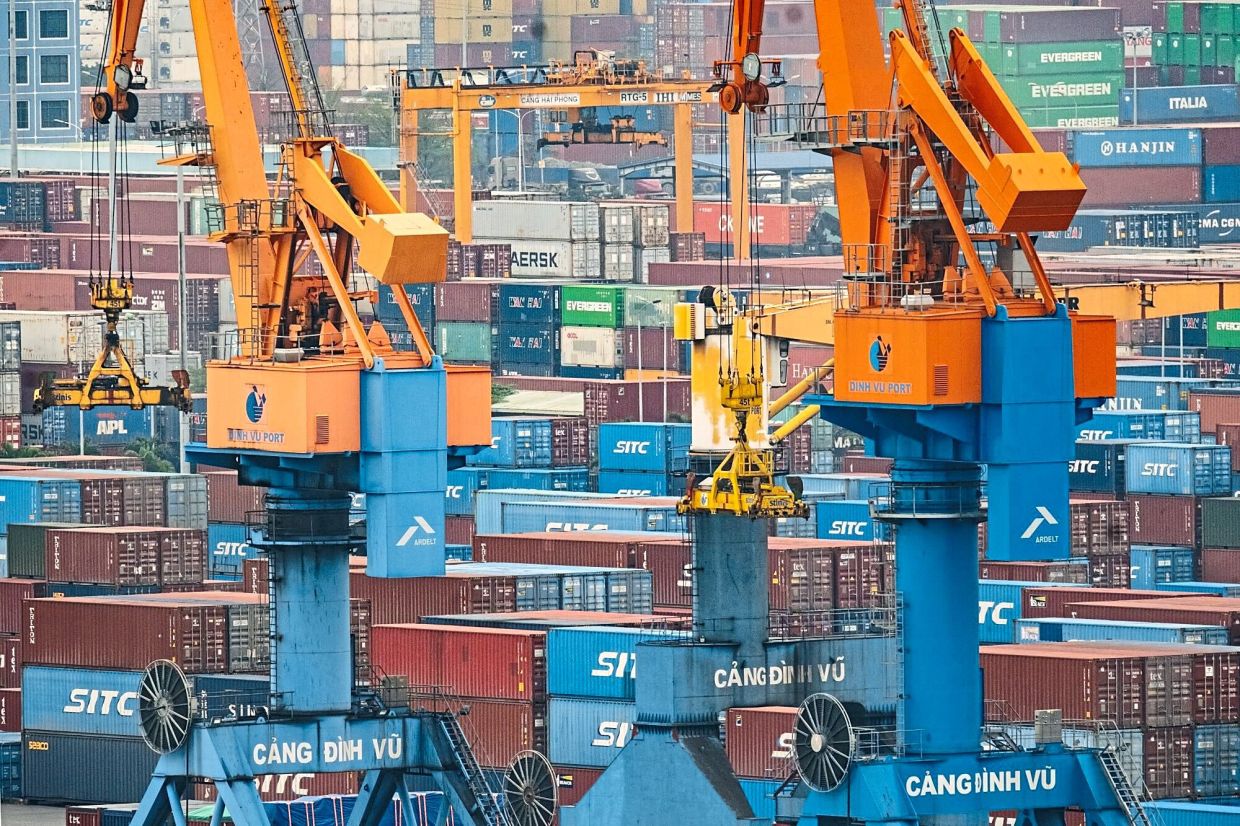
Vietnam's Deputy Prime Minister Nguyen Van Thang travelled to Washington to demonstrate Hanoi's commitment to resolving an increasingly contentious trade relationship with the United States, meeting with US Trade Representative Jamieson Greer to push forward stalled negotiations over a reciprocal tariff agreement. The Vietnamese official framed his country's position as one of genuine willingness to engage in transparent and constructive discussions, according to statements released by the Vietnamese government, as both nations seek to finalise commercial terms following a framework agreement reached last October.
The timing of Thang's diplomatic mission reflects growing urgency on both sides to conclude negotiations that have dragged on for months. Greer communicated that Washington is keen to wrap up discussions within a reasonable timeframe, suggesting that momentum has stalled at critical junctures. The framework agreement, reached several months ago, was meant to serve as a blueprint for finalising specific tariff schedules and trade remedies, yet the implementation phase has proven far more complex than initially anticipated.
Central to the American position are allegations that Vietnam has become a critical transshipment hub for goods originating from China destined for the US market. This concern extends beyond simple re-export activities; US officials worry that Vietnamese ports and logistics networks facilitate the circumvention of existing tariffs on Chinese products by rebranding merchandise as Vietnamese-origin goods. The practice undermines the integrity of trade agreements and allows manufacturers to sidestep import duties that would otherwise apply, distorting competition for legitimate producers.
The Trump administration has simultaneously launched three separate Section 301 investigations into Vietnamese trade practices, examining intellectual property violations, the flow of counterfeit and pirated goods, and non-tariff barriers to American exports. These parallel investigations create leverage in negotiations whilst also signalling deep structural concerns about Vietnam's regulatory capacity. An April report from Greer's office formally designated Vietnam a "priority foreign country," citing inadequate efforts to prevent online piracy, insufficient controls over counterfeit merchandise at borders, and weak enforcement mechanisms. Final determinations from these investigations are expected in November and could trigger additional tariffs if Vietnam fails to demonstrate meaningful reforms.
Vietnam's economic position amplifies these tensions. The country logged a bilateral trade surplus with the United States of US$114 billion during the first half of 2026, the largest gap Washington maintains with any trading partner globally—exceeding even China, Mexico, and Taiwan. This substantial imbalance fuels political pressure within the American administration to extract concessions. For Malaysian and regional observers, Vietnam's experience offers a cautionary tale about the vulnerabilities of manufacturing-dependent economies when trade relationships become strained.
A significant driver of Vietnam's surplus stems from imported inputs, particularly from China. As Vietnamese manufacturers scale production to meet American consumer demand, their dependence on Chinese-origin components and raw materials has intensified dramatically. This phenomenon creates an apparent paradox: whilst Vietnam enjoys a massive trade surplus with the US, it simultaneously runs substantial deficits with Beijing. The pattern reflects Vietnam's role as an assembly and re-export platform within broader East Asian supply chains, a position that simultaneously generates wealth and creates friction with Washington over the true nationality of exports.
Beyond tariff mechanics, Thang's visit aimed to secure commitments from major American technology and industrial companies. He held separate meetings with executives from Qualcomm, Visa, Axon Enterprise, and Caterpillar, seeking to attract fresh foreign direct investment into Vietnamese manufacturing and services sectors. These discussions target high-value industries where Vietnam hopes to develop competitive advantages independent of simple labour-cost advantages. The pitch to American corporations combines political stability assurances with potential tariff relief as incentives to establish or expand operations in Vietnam.
For Southeast Asian policymakers including those in Malaysia, Vietnam's negotiating stance carries important implications. If Hanoi successfully navigates these trade disputes through concessions on transshipment and enforcement mechanisms, the precedent might ease pressure on other regional economies. Conversely, should Washington impose substantial additional tariffs on Vietnamese exports, the ripple effects would extend throughout ASEAN supply chains, potentially triggering secondary tariffs on regional intermediates and finished goods. Malaysia's own manufacturing sectors, particularly electronics and automotive assembly, rely on integrated regional value chains where Vietnamese production costs and tariff conditions influence overall competitiveness.
Thang's emphasis on "open and constructive" engagement suggests Hanoi recognises that confrontation serves neither party's long-term interests. Vietnam desperately needs continued access to American markets to sustain rapid growth and justify massive investments in manufacturing infrastructure. The United States, meanwhile, requires Vietnamese production capacity to diversify supply chains away from Chinese dependency, particularly for consumer electronics, semiconductors, and components critical to American defence and technology sectors. This mutual dependency creates space for negotiated solutions, though significant details remain unresolved regarding enforcement, monitoring mechanisms, and timeline for implementation.
The November deadline for concluding Section 301 investigations injects temporal pressure into negotiations. If investigations conclude without satisfactory Vietnamese reforms, tariff increases become automatic and require separate political decisions to suspend or delay. This creates incentives for both sides to demonstrate progress before the deadline, though substantive changes to enforcement infrastructure typically require considerably longer than a few months to implement credibly. The challenge facing Hanoi involves distinguishing genuine reforms from cosmetic adjustments intended merely to deflect tariffs temporarily.

