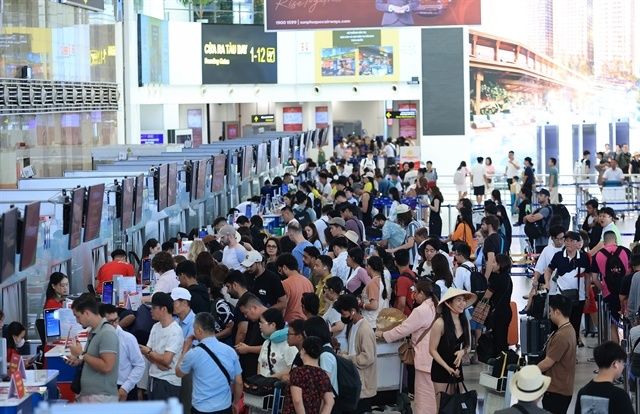
Vietnam has moved to strengthen passenger protection by introducing comprehensive rules requiring airlines to compensate travellers when flights are delayed, cancelled, or rescheduled, according to Government Decree No. 208 released this week. The regulation, which enters force at the start of next month, marks a significant step towards consumer safeguards in the country's aviation sector, aligning Vietnamese standards more closely with international practices that have become commonplace in developed aviation markets. The decree's implementation signals Vietnam's commitment to modernising its civil aviation regulatory framework as the country's airline industry continues to expand and international travel through its airports grows.
Under the new rules, any flight whose actual departure occurs more than 15 minutes after its scheduled time qualifies as delayed, with particularly stringent protections kicking in once delays reach four hours or longer. This distinction matters considerably for passengers planning connections or time-sensitive travel, as the four-hour threshold typically marks the point where passengers may claim rights beyond basic amenities. The classification system reflects international standards, notably those established by aviation authorities in the European Union and Australia, providing Vietnamese travellers with protections comparable to those in other major aviation markets.
Carriers operating in Vietnam must now immediately inform passengers of anticipated delays and provide a clear explanation for the disruption. Airlines are also required to keep passengers continuously updated about revised departure times, ensuring this information appears on airport flight information displays at intervals of no more than 30 minutes. This transparency requirement addresses a common passenger frustration across the region, where information gaps during disruptions frequently compound travel anxiety and logistical confusion.
When delays stretch beyond two hours, Vietnamese airlines must supply passengers with drinking water or issue vouchers of corresponding monetary value. For longer overnight delays occurring between 10pm and 7am, carriers must arrange sleeping or rest accommodation suited to local airport conditions, or offer alternative solutions acceptable to affected passengers. Daytime delays exceeding the same threshold between 7am and 10pm require airlines to provide suitable rest facilities as airport circumstances allow. These provisions recognise that extended disruptions place genuine hardship on travellers and shift costs appropriately to the operators responsible for service failures.
The decree grants passengers significant leverage regarding rebooking and rerouting. When carriers caused the delay, airlines must waive typical restrictions on changing itineraries or rebooking, and must also eliminate any surcharges that would normally apply. This removes what has often been a barrier to solutions in regional aviation, where change fees and rigid booking rules have sometimes trapped passengers in unhelpful itineraries following airline-caused problems. Carriers must either arrange alternative flights to the passenger's final destination or adjust the departure time to meet passenger needs.
Schedule changes—where airlines alter the departure time for a marketed flight number—trigger additional protections when the variation reaches or exceeds five hours in either direction. Passengers facing such substantial schedule adjustments gain the right to request a full ticket refund, rebooking on alternative routes, or placement on another flight within 72 hours. However, carriers retain flexibility for minor schedule adjustments, with flights moved no more than four hours earlier or 15 minutes later permitted under each airline's own policies. This sliding scale balances airline operational requirements against passenger convenience.
Flight cancellations receive particularly strict treatment under Decree No. 208. The regulation defines a cancellation as any failure to operate a flight bearing a specific flight number for which at least one passenger held a confirmed booking and valid ticket. Upon cancellation, carriers must immediately notify passengers without unnecessary delay, offer sincere apology, and explain the cancellation's cause. If the airline bears responsibility—as opposed to extraordinary circumstances beyond operational control—the airline must either rebook the passenger on a suitable alternative routing, provide refund of the full fare, or refund any unused portion of the ticket. These protections eliminate scenarios where passengers have been stranded with worthless tickets due to airline errors or commercial decisions.
The regulation specifically authorises Vietnam's Minister of Construction to prescribe additional implementation details in forthcoming guidance. These pending specifications will address non-refundable advance compensation amounts—the fixed sums passengers receive upfront for certain disruptions—as well as payment methods, deadlines, and carriers' obligations to publish information and file reports when delays, cancellations, or boarding denials occur. This delegated rulemaking approach allows the government to calibrate compensation levels based on airline industry input and domestic economic conditions while maintaining statutory protections.
For Malaysian and Southeast Asian aviation observers, Vietnam's new framework demonstrates regional momentum toward enhanced passenger rights. Malaysia, Thailand, and Indonesia operate aviation markets of comparable scale, yet passenger protection standards remain uneven across the region. Vietnam's adoption of compensation schemes and detailed procedural requirements creates competitive pressure on other carriers to improve service recovery practices, even where legislation has not yet mandated such standards. As Vietnam attracts growing numbers of international transit passengers through its major airports, aligning protections with international expectations helps position the country as a modern, passenger-friendly aviation hub.
The decree's implementation next month will require Vietnam's airlines to adjust operational and customer service procedures significantly. Carriers must establish systems for timely passenger notification, voucher distribution, accommodation booking, and compensation processing. International carriers operating Vietnamese routes must also ensure compliance, potentially elevating standards on flights that previously operated under lesser protections. The regulation's effect will likely extend beyond direct compliance costs, as airlines adjust ticketing systems, staff training, and dispute resolution procedures to prevent compensation liability.
For travellers in Southeast Asia, the decree offers a template for consumer advocacy elsewhere in the region. Passengers experiencing delays and cancellations increasingly expect explanations, updates, and tangible assistance—standards that Vietnam now legally requires. This creates reference points for advocacy in other countries considering aviation consumer protection reforms. The decree also demonstrates that structured compensation systems need not devastate airline economics; carriers in Europe, Australia, and elsewhere operate profitably under comparable frameworks by factoring compliance costs into pricing models.
The effectiveness of Decree No. 208 will ultimately depend on enforcement, with Vietnam's civil aviation authority's ability and willingness to investigate complaints and sanction non-compliant carriers proving critical. Airlines may test compliance boundaries, particularly regarding causation determinations and compensation eligibility disputes. Establishing independent dispute resolution mechanisms—such as aviation ombudsman offices or binding arbitration—could strengthen the framework's practical impact beyond statutory text.
Vietnam's passenger compensation decree enters a regional landscape where airline growth has often outpaced regulatory modernisation. By establishing clear delay definitions, compensation triggers, and carrier obligations, the regulation addresses legitimate passenger frustrations while creating predictable compliance expectations for airlines. As implementation unfolds over coming months, other Southeast Asian authorities will likely observe outcomes carefully, considering whether comparable protections should apply within their own jurisdictions.