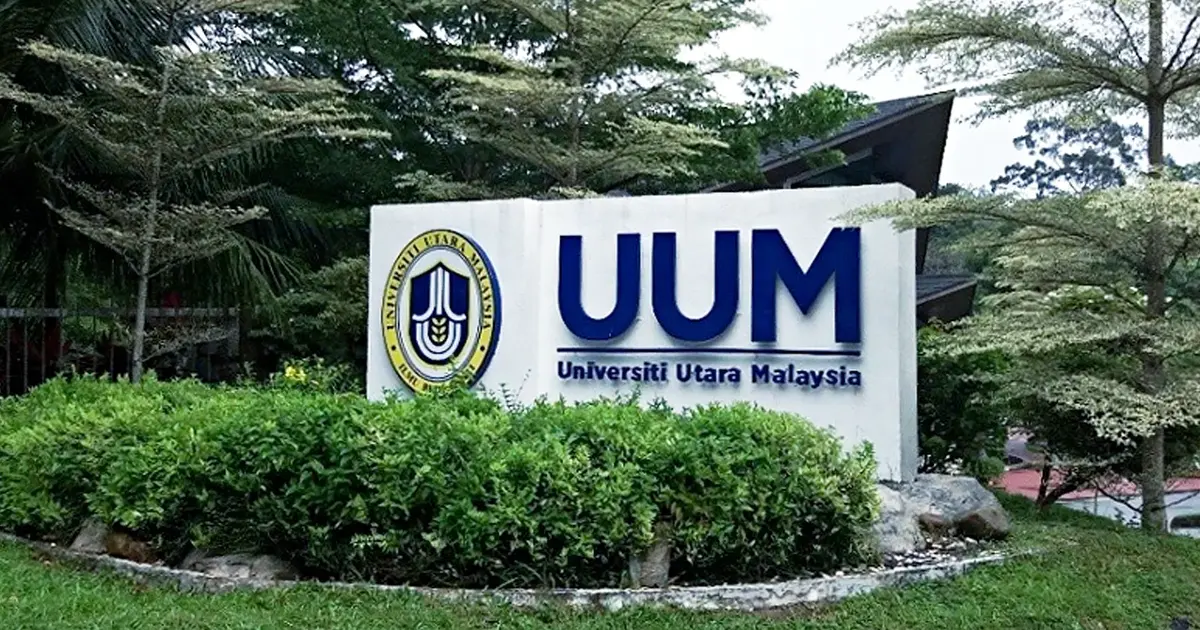
Universiti Utara Malaysia has emerged victorious in a protracted property dispute, with the High Court awarding the university RM2.47 million in damages related to the renovation and operational management of a shopping mall. The judicial decision represents a significant outcome for the institution and clarifies important questions about contractual obligations in property partnerships involving educational institutions.
The High Court's judgment extends beyond the damages award to address fundamental questions about the university's legal entitlements. Most notably, the court ruled that UUM acted entirely within its contractual rights when it assumed control of the property from the defendant company. This determination proved pivotal in dismantling the defendant's opposing legal position and underpinned the court's rejection of a substantial RM7.7 million counterclaim mounted by the property management company.
The disputed property arrangement had generated significant friction between the parties, with disagreements centring on who bore responsibility for maintaining the facility's standards and funding necessary capital improvements. The renovation dimension of the case appears to have involved disputes over which party should finance upgrades to the mall's infrastructure and aesthetic qualities. These practical management issues, seemingly mundane on their surface, reflected deeper contractual tensions about resource allocation and operational control.
For Malaysia's university sector, this ruling carries implications extending well beyond UUM's specific circumstances. Educational institutions increasingly manage commercial properties and revenue-generating enterprises as supplements to their core academic missions. The High Court's affirmation that contractual takeover rights can be exercised legitimately provides legal clarity to other universities navigating similar property relationships. The decision essentially validates the principle that universities need not remain passive when their contractual partners fail to meet agreed obligations.
The counterclaim dismissal deserves particular attention from a business law perspective. The defendant company's attempt to recover RM7.7 million suggests significant loss calculations based on disputed liability interpretations. By rejecting this counterclaim entirely, the court signalled that the company lacked any defensible legal foundation for its financial claims. This outcome indicates the judges found the defendant's arguments regarding breach of duty or improper takeover procedures thoroughly unconvincing.
The case reflects broader tensions in Malaysian property and facilities management contracts where multiple stakeholders hold overlapping interests. Universities, like many large institutional property owners, must balance academic priorities with commercial viability. When management contracts fracture, the resulting disputes often involve complex questions about contract interpretation, implicit obligations, and the appropriate remedies for breach. UUM's victory suggests the court took a relatively straightforward reading of the contractual language, favouring the university's interpretation of its own rights.
The RM2.47 million damages figure likely represents calculations for losses UUM sustained during the disputed management period. These might encompass shortfalls in facility maintenance that required the university to fund additional repairs, operational inefficiencies under inadequate management, or revenue losses if the mall's commercial performance deteriorated. Universities, particularly those operating in competitive higher education environments, depend on ancillary revenue streams to fund operations, making such losses genuinely damaging to institutional finances.
From a Southeast Asian business context, this judgment arrives at a moment when universities increasingly function as entrepreneurial entities managing diverse asset portfolios. The ruling reassures institutional investors and donors that universities possess enforceable contractual protections when partnering with private companies. In Malaysia's economic landscape, where public universities represent significant wealth holders, clarifying their contractual remedies strengthens institutional governance frameworks and reduces uncertainty in commercial arrangements.
The dismissal of the defendant's counterclaim also suggests the company invested poorly in its legal strategy or failed to retain persuasive evidence supporting its claims. In complex commercial litigation, counterclaims often represent attempts to offset damages through offsetting liability arguments. The court's complete rejection indicates the defendant could not establish that UUM breached any obligation toward the company, nor could it demonstrate that the takeover itself constituted wrongful interference with contractual rights.
Looking forward, this decision may influence how universities nationwide structure property management agreements and contractual exit provisions. Institutions may feel emboldened to include more explicit takeover clauses and clearer performance standards for management partners. Conversely, companies contracting with universities will likely demand more detailed dispute resolution mechanisms and liability caps, recognising that courts will enforce contractual takeover rights against them if performance falters.
The judgment ultimately reflects established commercial law principles applied to an educational institution context. Courts generally respect contractual rights explicitly granted to parties, particularly when one party's performance proves inadequate. UUM's victory confirms that Malaysian courts will not second-guess institutional decisions to exercise contractual remedies merely because a counterparty objects. This precedent strengthens legal certainty around university property management arrangements throughout the region.

