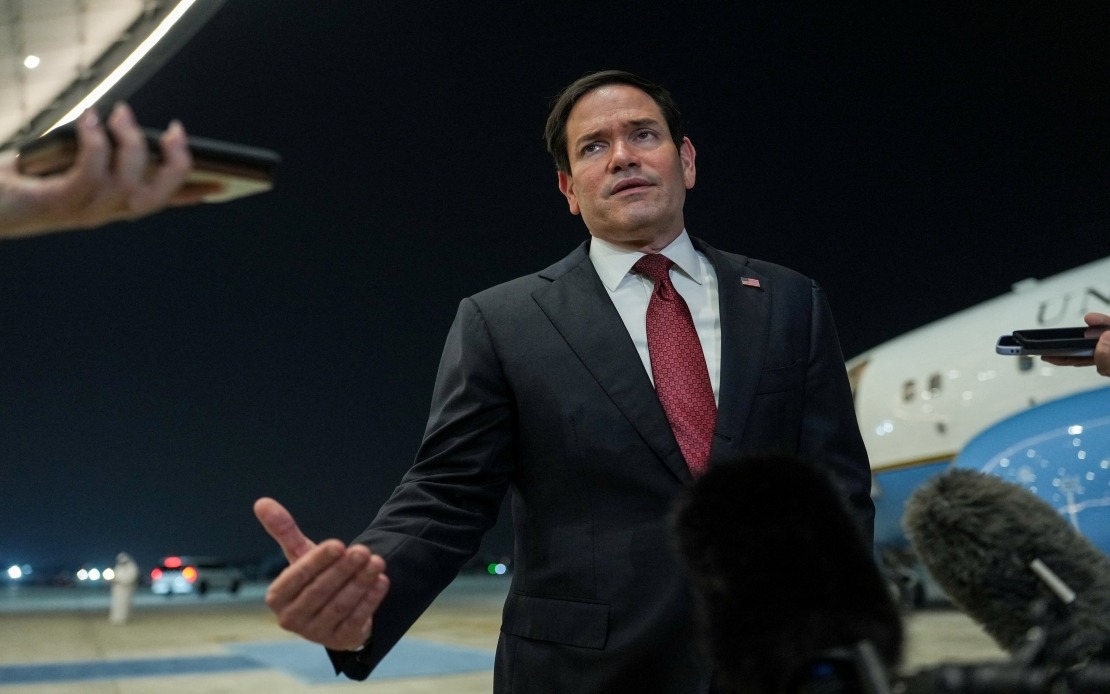
The United States has made clear it will not be a financial contributor to any proposed reconstruction fund for Iran, according to Secretary of State Marco Rubio, who addressed speculation about American involvement in such initiatives. Speaking on Tuesday, Rubio dismissed the notion that Washington would deploy federal resources toward Iranian economic development, emphasizing instead that any reconstruction effort would depend on progress in broader security negotiations between the two nations.
Rubio's remarks came amid discussions about the Gulf states potentially investing in Iran's economy as part of broader diplomatic agreements being negotiated. The secretary of state indicated that while Iran itself could create economic opportunities if it chose to do so, the pathway forward remained contingent on resolving multiple outstanding security concerns that the two countries must address in coming weeks. His comments reflected the Trump administration's approach of conditioning economic engagement on Iranian compliance with security requirements.
The clarification arrived just days after President Donald Trump dismissed reports of a reported US$300 billion reconstruction fund allegedly being negotiated under the framework of renewed US-Iran relations. Trump's previous rejection of such figures suggested skepticism within the administration about the scale and nature of any proposed economic packages. Rubio's statement further underscored that direct American government participation would not materialise, though he left the door open for private American investment contingent on improved bilateral relations.
The backdrop for these discussions involves significant diplomatic progress between the two nations following years of tension and military confrontation. Last week, representatives from Iran and the United States signed a memorandum aimed at halting military hostilities that had commenced on February 28. This document established concrete timelines for American concessions, including the lifting of naval blockades and the restoration of shipping activities in the Strait of Hormuz, while committing Iran to specific security measures.
Central to ongoing negotiations is the Iranian nuclear programme, a longstanding flashpoint in US-Iran relations. The memorandum includes Iranian commitment to refrain from developing nuclear weapons, with detailed arrangements to be settled through separate negotiations scheduled within a 60-day window. This compartmentalisation of nuclear issues from broader security and economic matters reflects the complexity of rebuilding bilateral relations after sustained hostility.
Recent talks held in Burgenstock, Switzerland, on Sunday demonstrated the intensive diplomatic engagement currently underway. The negotiations involved substantial delegations from both nations, with the American team led by Vance and Iran's parliamentary speaker Mohammad Bagher Ghalibaf heading the Iranian contingent. Qatar and Pakistan served as mediators, roles that underscore regional interest in stabilising the US-Iran relationship and its implications for Gulf security architecture.
Both Vance and Iranian Foreign Ministry spokesman Ismail Baghaei announced that the talks had yielded progress, suggesting momentum in negotiations despite the contentious nature of many outstanding issues. The involvement of Gulf mediators reflects recognition that any durable settlement between Washington and Tehran carries profound implications for the broader Middle Eastern balance of power, particularly for countries like Saudi Arabia and the United Arab Emirates that have long relied on American security assurances.
For Malaysia and Southeast Asia, developments in US-Iran relations carry indirect but meaningful consequences. A more stable relationship between the two powers could reduce regional military tensions and potentially improve global energy market stability, given Iran's significant oil reserves and the critical importance of Gulf shipping lanes to regional trade. Conversely, if negotiations falter, renewed confrontation could disrupt regional commerce and heighten strategic uncertainty affecting broader Indo-Pacific security calculations.
Rubio's insistence that reconstruction assistance must await resolution of security matters reflects a hardline negotiating posture from the Trump administration. This approach prioritises security gains over economic normalisation, suggesting that any American private investment in Iran or cooperation with Gulf states on Iranian development would remain contingent on sustained Iranian compliance with security obligations. The sequencing of agreements—military ceasefire first, then nuclear negotiations, then potentially economic engagement—reflects strategic thinking designed to preserve American leverage throughout the process.
The reference to Gulf states potentially contributing to reconstruction represents an alternative pathway to Iranian economic development that bypasses direct American involvement. Saudi Arabia, the UAE, and other wealthy Gulf nations have significant financial capacity and growing interest in engaging Iran economically, particularly as regional security arrangements evolve. Such engagement could benefit these states commercially while reducing long-term incentives for Iranian military assertiveness in the Gulf.
The 60-day timeline for resolving nuclear issues suggests both urgency and recognition that detailed technical negotiations require extended deliberation. Nuclear weapons programmes involve complex verification regimes, monitoring protocols, and confidence-building measures that cannot be rushed. The commitment to address this matter through a separate agreement rather than incorporating it into the broader memorandum indicates that both sides recognise the sensitivity and technical complexity requiring dedicated diplomatic attention.
Moving forward, the critical variable will be whether Iran and the United States can translate current diplomatic momentum into durable agreements that survive domestic political pressures in both nations. Rubio's comments suggest a cautious American approach willing to engage but unwilling to provide economic incentives ahead of demonstrated Iranian compliance. This posture may prove effective in securing Iranian cooperation on security matters, but it also risks limiting the economic benefits that might otherwise encourage sustained Iranian compliance with negotiated agreements.

