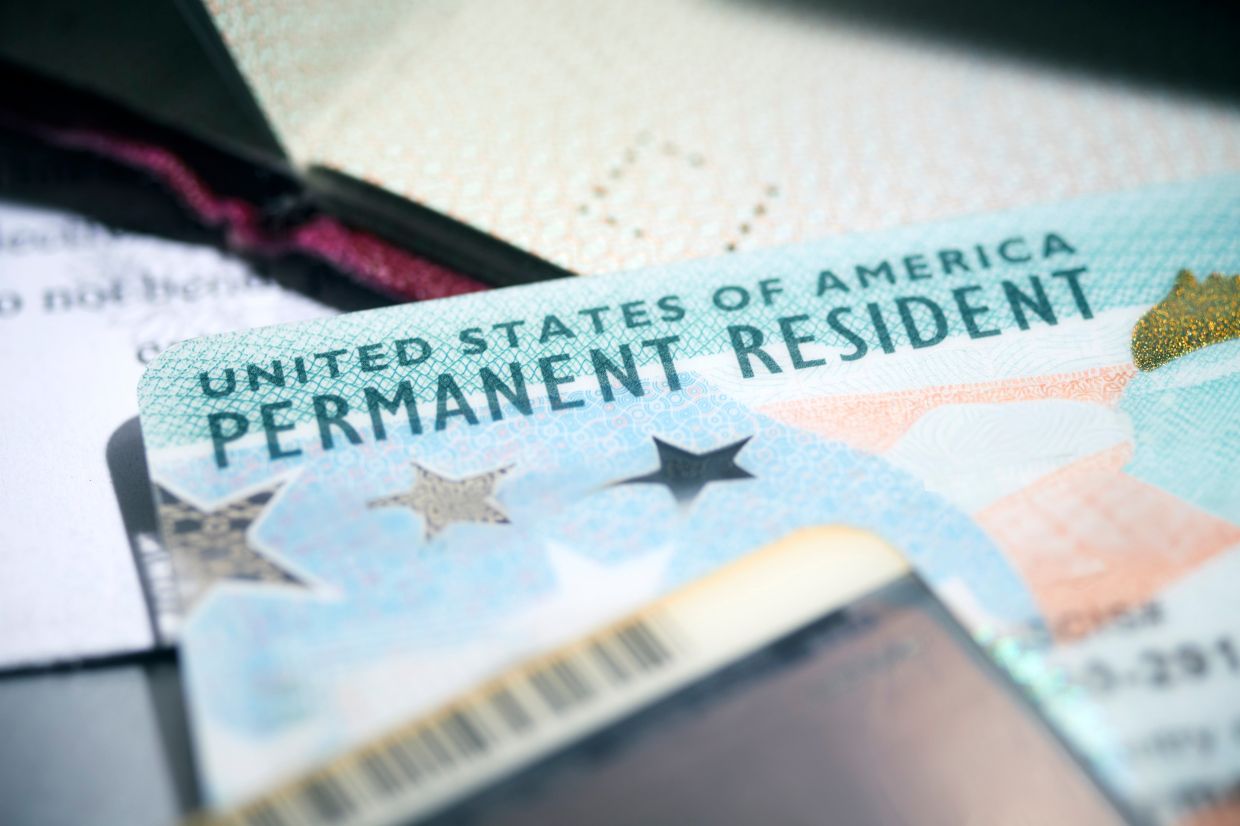
American embassies and consulates across the world have halted immigrant visa interviews, with staff now undergoing training on a toughened "public charge" assessment framework that will determine whether applicants are likely to become dependent on government assistance programmes. This operational freeze comes merely days after a federal judge invalidated a separate visa suspension affecting 75 nations, yet the State Department continues its enforcement push by insisting that immigration officers apply the new criteria "comprehensively and consistently" across all cases.
The public charge doctrine itself is not novel—immigration officials have long examined applicants' age, physical and mental health, family composition, financial resources, educational attainment, professional qualifications and employment prospects. What marks the present shift as consequential is the instruction to deploy these evaluative factors with heightened severity, including the power to demand public charge bonds from certain applicants. This represents a meaningful escalation in how discretionary authority is exercised at the consular level, where thousands of family reunification cases and diversity visa applicants depend on affirmative decisions.
Insiders familiar with immigration policy characterise the implementation as exceptionally disruptive. Sarah Pierce, who directs social policy research at the Third Way think tank and previously analysed immigration matters at US Citizenship and Immigration Services, contends that the Trump administration "chose the most disruptive possible way to roll this out." Immigration attorney Charles Kuck, based in Atlanta, notes that officers are being instructed specifically "on how to deny cases under public charge rules," suggesting that the training materials emphasise rejections rather than balancing the statutory factors.
Family-based immigration applicants face materially harder pathways under the stricter implementation. Kuck observed that the change simultaneously disadvantages diversity lottery beneficiaries, who constitute a separate stream of immigration and typically lack the family or employment sponsorship mechanisms available to others. The cumulative effect targets two vulnerable populations: lower-income families seeking to reunite abroad and individuals selected through the random lottery system who may lack high educational credentials or employment offers.
Applicants whose interviews have been postponed retain their underlying approvals and priority dates unless the State Department formally announces a revocation, according to Pierce. The provisional nature of the freeze means that cancelled appointments do not automatically invalidate petitions already approved by immigration authorities. However, the practical injury lies in delay itself. Individuals who have purchased airline tickets, liquidated assets, or completed required medical examinations face mounting costs and uncertainty as the State Department has given no timeline for when regular scheduling resumes, creating a parallel damage distinct from formal case denials.
Diversity visa beneficiaries face an additional temporal pressure. Under US fiscal law, all diversity visas must be issued by 30 September, the end of the American government's financial year. Those caught in the interview freeze risk missing this deadline entirely, forfeiting their selection. Applicants are advised to ensure the National Visa Centre holds current contact information, as communication breakdowns could prove costly during compressed timelines.
The freeze applies exclusively to immigrant visa processing at overseas posts and does not affect H-1B workers, international students, or tourist visa categories. Nonetheless, the public charge doctrine could legally extend to non-immigrant visa holders under existing statutes, though Kuck notes that operational application currently appears confined to immigrant visa holders. For H-1B applicants, the proposed US$103,000 filing fee and new lottery system remain forward-looking proposals rather than current barriers for those already selected in previous rounds.
Applicants most vulnerable to adverse outcomes are those still requiring visa stamps outside American territory. A properly completed affidavit of support—the I-864 form signed by a sponsor demonstrating financial capacity—conventionally sufficed in family cases unless "unusually significant concerns" arose. Under the new regime, that threshold appears to have lowered, and what Pierce calls aggressive implementation risks functioning "like a legal blanket ban for certain populations," even if technically no statutory ban exists. The lack of detailed guidance within immigration statute, as Kuck emphasises, "allows for a great deal of mischief" in individual officer decision-making, creating unpredictability across jurisdictions.
Consular officers cannot unilaterally overrule USCIS approvals except when discovering fraud, material changes in applicant circumstances, or clear procedural errors. Such cases are referred back to USCIS, which retains final authority. Applicants should carefully review all documents filed in their names and refrain from speculating when officers ask clarifying questions. Family cases prove difficult to reverse once approved because spousal or familial relationships cannot be undone, whereas employment cases receive greater scrutiny upon appeal, though many petitions initially returned for additional evidence are eventually reapproved.
For those holding lawful status, unnecessary international travel carries elevated risk in the current enforcement environment. Immigration attorney Kuck warns that no one should depart the United States absent genuine emergency, while Pierce advises careful deliberation before any trip requiring a new visa upon return. An approved employment petition such as O-1 status does not justify consular travel. Travellers should carry documentation of lawful status—green cards, I-94 arrival records plus supporting letters—and maintain copies accessible to family members. Workers arriving for employment should carry recent pay stubs and employer verification letters.
Individuals lacking lawful status, including those on 240-day extensions following H-1B expiry, those with only pending green card or asylum petitions, and those with no status whatsoever, must not travel. The administrative environment has grown markedly less forgiving. New arrivals receive fixed-term status documents valid typically up to four years plus a 30-day grace period—a reduction from the previous 60-day allowance. This compressed timeline diminishes adjustment capacity for those navigating bureaucratic processes or awaiting downstream authorisations, reflecting the broader tightening of pathways that legal immigrants increasingly confront.

