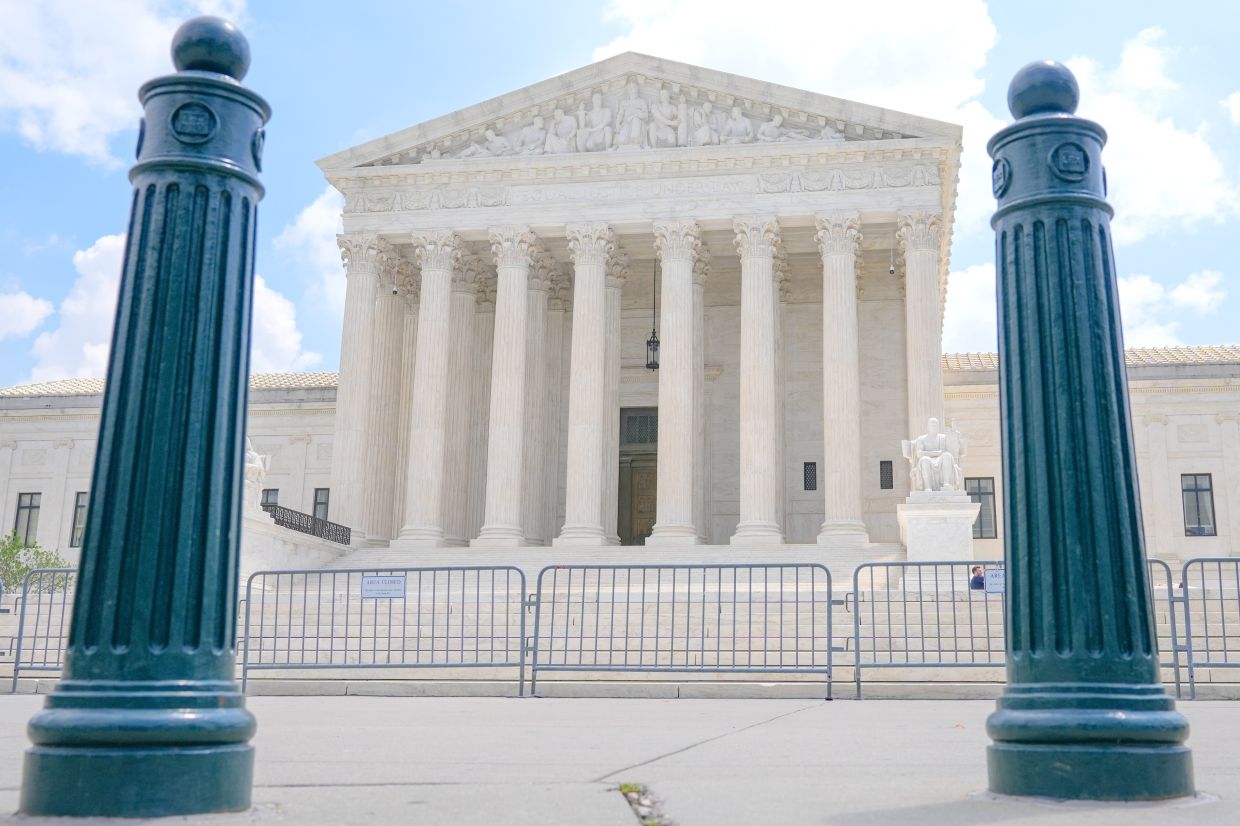
The United States Supreme Court has declined to intervene in a contentious dispute over Texas's age verification requirements for mobile app downloads, allowing the state's controversial law to move forward despite claims it infringes on constitutional rights. Justice Samuel Alito issued brief one-sentence orders rejecting emergency petitions filed by civil liberties groups and technology advocates seeking to prevent the Texas App Store Accountability Act from taking effect, effectively clearing the legal pathway for implementation of the statute.
The Texas law has become a focal point in the broader national debate over digital age restrictions, parental controls, and the extent to which states can regulate technology platforms to protect minors. The provision requires users to verify their age before downloading applications, a requirement that opponents contend impermissibly restricts access to protected speech and content. The Supreme Court's refusal to block the measure represents a significant victory for proponents of stricter age-gating mechanisms and a setback for technology advocates who view such requirements as barriers to information access.
The appellate history of this case reflects the sharp legal disagreement surrounding the law's constitutionality. Last June, a three-judge panel from the 5th United States Circuit Court of Appeals concluded that the statute could proceed, effectively overturning a district court ruling from December that had found the law violated the Constitution. This decision by the Fifth Circuit cleared the way for the law's enforcement, though the technology sector and free speech organisations continued challenging its validity through Supreme Court petitions that Alito ultimately rejected.
The Computer & Communications Industry Association and Students Engaged in Advancing Texas have emerged as the principal plaintiffs opposing the measure, both claiming it violates users' First Amendment rights. These groups represent different constituencies concerned about the law's reach: the industry association protects the interests of technology companies affected by compliance costs and business restrictions, while Students Engaged in Advancing Texas focuses on young people's access to information and educational resources. Texas Attorney General Ken Paxton appears as a defendant in both cases, representing the state's interest in enforcing the statute.
Attorneys representing the civil liberties challengers framed their opposition in broad constitutional terms, arguing that the age verification requirement impermissibly restricts access to content including journalism, educational materials, and other information protected under the First Amendment. The legal position emphasises parental authority rather than government mandate, asserting that families—not state regulators—should determine what content children access. This framing attempts to position the restriction as governmental overreach that undermines parental discretion.
The state of Texas has constructed its defence around child protection principles, arguing that the law addresses genuine risks posed by unregulated app access. Officials in Paxton's office contend that without age verification safeguards, children with smartphones or tablets can freely download applications without parental awareness or consent, potentially exposing minors to privacy invasions, data harvesting, and inappropriate content. This rationale reflects growing concern among policymakers about how technology companies collect children's personal information and the inadequacy of existing parental consent mechanisms.
The Supreme Court's decision carries implications extending beyond Texas itself. The refusal to block the law effectively endorses the constitutional legitimacy of age verification requirements, potentially encouraging other states to adopt similar measures. Several jurisdictions have already considered comparable legislation, and the Supreme Court's inaction removes a significant barrier to broader adoption of age-gating technology. For Malaysia and other Southeast Asian nations monitoring American regulatory trends, this decision suggests that courts in mature democracies are increasingly willing to permit state-level interventions in digital markets ostensibly designed to protect minors.
The decision also reflects broader judicial trends regarding technology regulation. Recent Supreme Court behaviour demonstrates institutional reluctance to invalidate technology regulations on free speech grounds, even when those regulations restrict access to protected content. This judicial posture contrasts with historical First Amendment jurisprudence that struck down content restrictions with greater frequency. The Court's refusal to intervene in the Texas case suggests it views age verification requirements as relatively modest restrictions that do not trigger heightened constitutional scrutiny.
For technology companies operating globally, the Texas precedent complicates compliance calculations. If age verification becomes standard across multiple jurisdictions with different implementation approaches, technology firms face accumulating compliance burdens. However, the decision also reveals that courts may view age verification as a less onerous restriction than outright content bans, potentially making it an acceptable compromise for platforms seeking to operate in regulated markets while preserving most user access.
The constitutional debate underlying the Texas case remains unresolved despite the Supreme Court's refusal to intervene. Free speech advocates contend that the state has failed to demonstrate that age verification genuinely protects children or that less restrictive alternatives would prove inadequate. Conversely, child protection advocates argue that technology companies have demonstrated insufficient responsibility in protecting minors' privacy and wellbeing, justifying state intervention. The Supreme Court's implicit endorsement of age verification requirements suggests this constitutional tension will persist across multiple state jurisdictions without definitive Supreme Court guidance.
Looking forward, the practical implementation of the Texas law will test whether age verification systems can function effectively without creating prohibitive friction that discourages legitimate downloads. Technology companies may respond by developing streamlined verification processes that balance compliance with user experience. Meanwhile, civil liberties organisations will likely continue challenging age verification requirements in different jurisdictions, potentially developing more nuanced constitutional arguments that distinguish between different verification methodologies or age thresholds.

