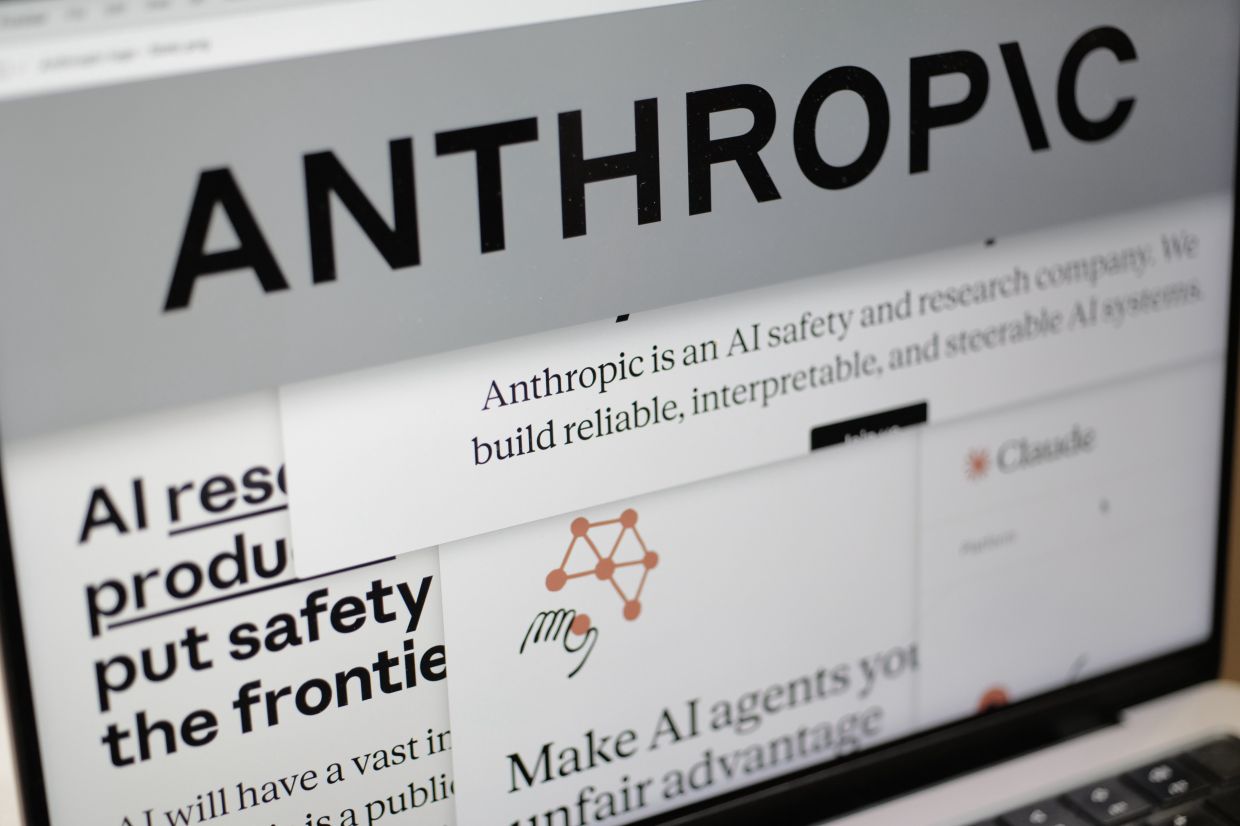
A technology company that relies on Anthropic's artificial intelligence systems has taken legal action against the US government, challenging restrictions that prevent foreign nationals from using the most sophisticated AI models. Legion, which develops software tools for attorneys, initiated the lawsuit on June 23 in federal court in Washington, weeks after Anthropic responded to government export control directives by severing access to its leading models, Fable 5 and Mythos 5. The case highlights the collision between national security policy and the globalised operations of companies dependent on cutting-edge AI technology.
Legion's complaint centres on a fundamental operational problem: the company employs software developers who are Canadian citizens working remotely from Canada, and those individuals can no longer access the AI tools essential to their work. Although Legion maintains its headquarters in the United States, the restriction effectively denies the company access to what it describes as the most critical infrastructure for maintaining competitive advantage in its sector. The loss of Fable 5 access occurred abruptly, with the company claiming it happened "instantaneously" following Anthropic's compliance with government orders.
Commerce Secretary Howard Lutnick had previously written to Anthropic's Chief Executive Officer Dario Amodei, making explicit that the company would need government permission before making the Fable 5 and Mythos 5 models available outside US borders or to any foreign nationals, regardless of location. This directive reflects broader Trump administration policy aimed at preventing advanced American AI capabilities from reaching competitors and adversaries. The restriction operates on a geographic and citizenship basis rather than targeting specific countries or security threats, creating complications for multinational technology operations that have become standard in the sector.
In its legal filing, Legion argues that the harm inflicted by the access denial is "immediate, irreparable and existential." The company contends that the velocity of AI development creates conditions where temporary disadvantage becomes permanent competitive damage. Unlike traditional industries where companies might recover lost ground through later catch-up, the AI sector operates under what Legion characterises as a perpetual innovation cycle where any period of restricted access to the most capable models translates directly into capability gaps that cannot subsequently be recovered. This argument reflects genuine industry dynamics, where access to frontier models often determines whether a company can develop competitive products.
The filing emphasizes that each day the restrictions remain active directly disrupts Legion's product development, operational capacity, and engineering effectiveness. The company suggests that its engineers are effectively sidelined during the period when they cannot access the tools necessary for their work, and that competitive ground surrendered to rivals during this interval represents permanent loss in a field where leadership positions shift rapidly. The framing positions this not as a temporary inconvenience but as an existential threat to the company's ability to survive in a sector where technological capability provides the primary competitive moat.
Anthropic's public response has been notably measured, with a company spokesperson expressing gratitude toward the administration for attempting to resolve the situation expeditiously. The statement emphasises Anthropic's commitment to working with government toward shared objectives of protecting critical infrastructure and maintaining American technological leadership. This careful positioning suggests Anthropic views compliance with export controls as ultimately aligned with its strategic interests, even as downstream customers like Legion face operational disruptions. The company appears reluctant to position itself in opposition to government policy, despite the cascading effects on its customer base.
The lawsuit names Commerce Secretary Lutnick as a defendant, directly challenging the legal authority and reasonableness of the export control directive. The case raises fundamental questions about how export restrictions on emerging technologies should function in practice, particularly when applied to companies with distributed workforces that include foreign nationals. For the Trump administration, the challenge tests its ability to enforce technology containment policies against legal challenges based on commercial harm and constitutional principles.
For Malaysian and Southeast Asian technology companies and investors, this dispute carries significant implications. The case demonstrates how US export controls on advanced AI can disrupt global technology operations, affecting companies operating throughout the region that may depend on access to frontier American AI models. The precedent established here could influence how US policy evolves regarding AI access for foreign nationals and international subsidiaries, potentially affecting technology development across Asia.
The dispute also underscores the strategic importance of maintaining independent AI capability within the region rather than relying entirely on American systems. As the US increasingly weaponises access to advanced AI models as a tool of technology policy, Southeast Asian governments and companies face incentives to develop domestic alternatives or strengthen partnerships with non-American AI providers. The case suggests that reliance on American AI infrastructure may carry hidden costs in terms of operational sovereignty and unpredictable policy changes.
The White House and Commerce Department have not yet responded substantively to the lawsuit, leaving the legal and policy dimensions unresolved. The case will likely take months or years to proceed through the courts, during which Legion and potentially other affected companies will continue operating under the access restrictions. If Legion prevails, it could establish important precedent limiting the government's ability to apply export controls retroactively to existing customer relationships, though such a victory remains uncertain given courts' general deference to national security determinations.
The dispute reflects broader tensions within US technology policy between national security imperatives and the practical needs of companies operating in global markets. How this particular case resolves may influence whether export controls become more precisely tailored or more broadly applied, affecting technology development incentives across international companies. For now, the case stands as a test of whether legal constraints exist on government power to unilaterally sever technology access relationships between American companies and their customers based on the citizenship or location of employees.

