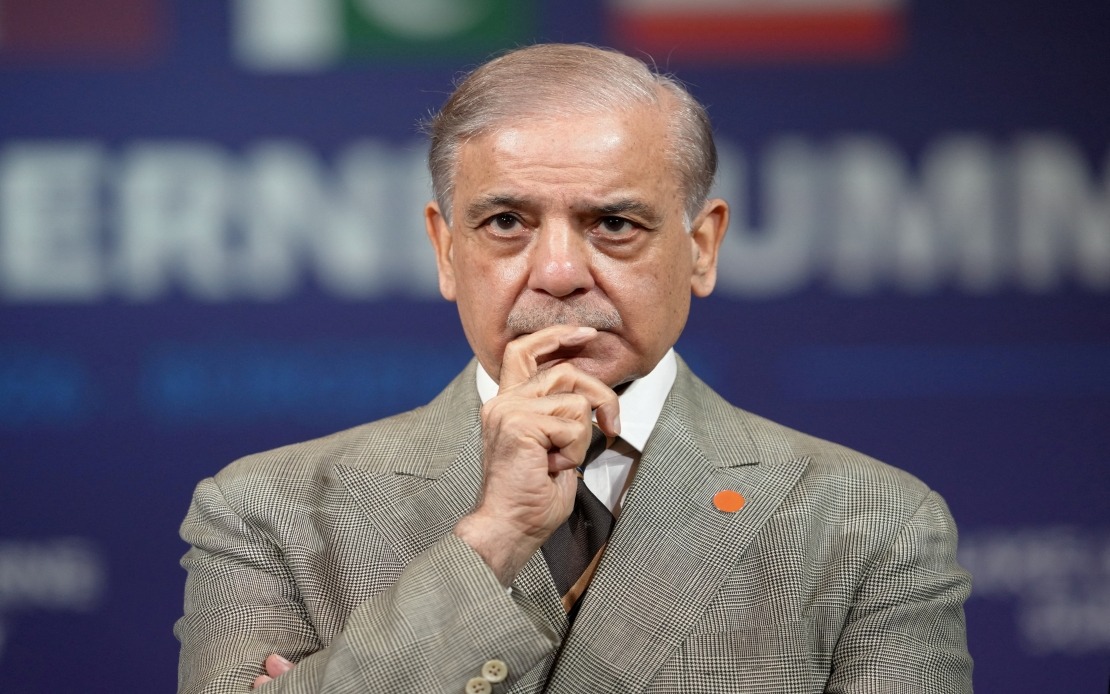
Pakistan's Prime Minister Shehbaz Sharif announced on Tuesday that the United States and Iran have committed to a crucial 60-day dialogue window aimed at transforming a recently signed memorandum of understanding into a durable long-term agreement. Speaking to lawmakers during his address to the National Assembly in Karachi, Sharif characterized the current moment as pivotal for resolving longstanding tensions between the two nations, signalling that substantive progress on nuclear matters, financial restrictions, and military capabilities may finally be achievable through structured diplomatic channels.
The foundation for these upcoming talks rests on the Islamabad Memorandum of Understanding, which the US and Iran jointly signed on June 17, with Pakistan itself becoming a signatory in recognition of its central mediating role. This multilateral commitment to the MoU represents an unusual diplomatic opening between Washington and Tehran, underscoring the heightened stakes involved in the negotiation process. The agreement essentially creates a structured framework within which both nations can address their most contentious disagreements without the immediate threat of military escalation, a development that carries significant implications not only for Middle Eastern security but also for global energy markets and Asian geopolitical stability.
Sharf's remarks reflected cautious optimism about the trajectory of negotiations, emphasizing that the forthcoming technical-level discussions will encompass three interconnected areas. The nuclear dimension remains paramount, touching on Iran's civilian atomic programme and international oversight mechanisms. Equally important to Iranian officials are the financial assets that have been frozen under decades of Western sanctions, which represent billions of dollars essential for Iran's economic recovery. The ballistic missile question adds another complex layer, as these weapons systems carry both defensive and offensive implications that shape regional military balances throughout the Middle East.
Yet concurrent statements from Iran's Foreign Ministry introduced immediate complications to the optimistic assessment. Spokesman Esmaeil Baghaei flatly contradicted suggestions that Iran's missile capabilities had been discussed or negotiated during the recent Switzerland talks, asserting instead that missile programmes were never part of the negotiation agenda. This clarification proved significant because it suggested that one of Pakistan's stated priorities—addressing ballistic missile development—may face considerable resistance from Tehran, which views such systems as non-negotiable elements of its national security doctrine. The discrepancy between Pakistan's characterization and Iran's official position hints at underlying tensions that could obstruct progress during the 60-day window.
Baghaei's statement also addressed International Atomic Energy Agency access, a cornerstone issue in any comprehensive nuclear agreement. The Iranian spokesman made plain that Tehran has no intention of permitting IAEA inspectors to access nuclear facilities that were previously targeted during military operations involving the United States and Israel. This position fundamentally constrains the scope of potential verification mechanisms that Western parties may demand as assurances of Iranian compliance with nuclear limitations. Without credible and comprehensive IAEA inspection protocols, achieving a final agreement becomes exponentially more difficult, as international confidence in Iranian nuclear intentions remains fragile.
The technical talks in Burgenstock, Switzerland, which concluded early on Monday, had already yielded what Pakistan characterized as "historic" progress. Beyond the signing of the MoU itself, the Switzerland meeting produced agreements on several operational mechanisms designed to facilitate continued momentum toward a final comprehensive accord. These mechanisms likely include dispute resolution procedures, verification protocols, and communication channels through which both sides can address disagreements that inevitably emerge during complex negotiations. The involvement of Pakistan and Qatar as co-mediators reflects a broader regional diplomatic architecture seeking to stabilize one of the world's most volatile geopolitical hotspots.
For Malaysia and other Southeast Asian nations, the trajectory of US-Iran negotiations carries considerable bearing on regional stability and economic interests. A breakthrough could ease global oil supplies and moderate energy prices, benefiting importers throughout Asia. Conversely, a negotiation collapse could trigger renewed military confrontation, potentially disrupting shipping lanes and energy supplies crucial to Asian economies. The 60-day window thus represents a critical testing period for whether diplomatic engagement can succeed where decades of sanctions and hostile rhetoric have failed.
The involvement of Pakistan as both signatory and mediator underscores how major power disputes increasingly engage regional actors in attempts to broker peaceful settlements. Pakistan's stake in US-Iran stability reflects its own geographic position, economic vulnerabilities, and desire to prevent further Middle Eastern instability from spilling into South Asia. By positioning itself as a constructive intermediary, Pakistan may hope to enhance its strategic relevance while simultaneously addressing security threats emanating from regional conflicts.
However, significant obstacles remain embedded in the negotiating positions of both principal parties. The Iranian assertions about missile programmes being off-limits and IAEA access being restricted suggest that Tehran enters these talks with clear red lines that may not align with American and international expectations. Whether these positions represent opening negotiating postures or fundamental maximalist demands will become apparent as technical discussions progress. The 60-day timeline provides sufficient duration for sustained engagement but insufficient flexibility if either party proves intransigent on core issues.
The ultimate success of these negotiations depends upon whether both the US and Iran can compartmentalize their discussions and identify incremental agreements that build confidence progressively. Previous attempts at comprehensive nuclear settlements have foundered when parties insisted on addressing all issues simultaneously. The current framework, by breaking discussions into manageable technical components pursued over a defined period, may offer a more realistic pathway toward gradual accord. If either the nuclear dimension or the financial restrictions issue can be substantially resolved, momentum may carry into harder discussions about missile verification and facility access.
With implications stretching across multiple continents and affecting billions of people dependent on Middle Eastern stability, the next 60 days merit close international attention. Pakistan's role as mediator and the preliminary agreements from Switzerland suggest genuine diplomatic movement, yet the swift contradictions from Iranian officials remind observers that agreement on paper remains distant from agreement in substance. The coming weeks will test whether structured technical dialogue can overcome decades of mutual suspicion and conflicting strategic interests.

