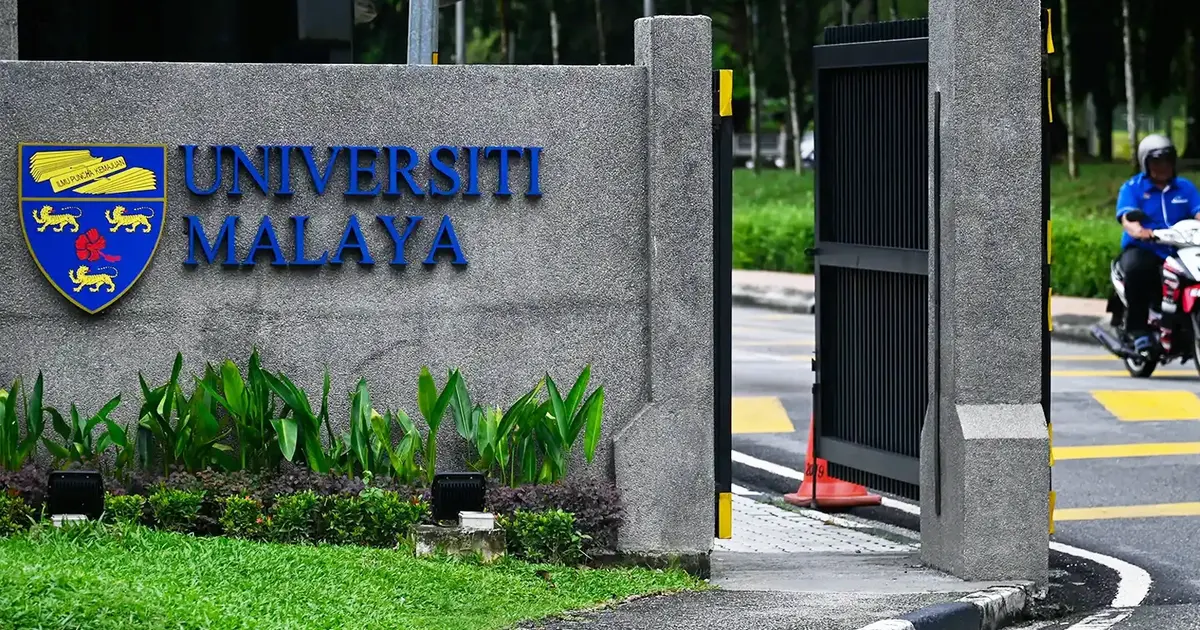
The University of Malaya faces mounting pressure from student activists to disclose the findings of a sexual harassment investigation that has dragged on far longer than originally anticipated. NewGen UM, a student collective, is pressing the institution to finally deliver on its commitment to conclude the probe into allegations involving a faculty member, more than half a year after university leadership declared the matter was approaching resolution.
The investigation's prolonged timeline underscores growing frustration within the university community about accountability mechanisms and the pace of institutional responses to misconduct allegations. When the University of Malaya announced last September that the inquiry was in its concluding phases, stakeholders expected timely disclosure of outcomes. Instead, what has followed is protracted silence that has left questions unanswered and confidence in the process eroding.
This situation reflects broader concerns across Malaysian higher education institutions about how thoroughly and transparently they handle serious allegations. The University of Malaya, as the country's oldest and most prominent university, carries particular responsibility to model best practices in safeguarding and institutional accountability. The apparent delay raises questions about whether investigative complexity, competing priorities, or other operational factors are driving the timeline, and why the university has not provided the public with a substantive update.
NewGen UM's intervention represents a significant step by student activists who have become increasingly vocal about campus culture and institutional governance. The group's demand for clarity suggests that those directly affected by campus misconduct—and their peers—are no longer willing to accept vague assurances or extended delays without explanation. This reflects evolving expectations about institutional transparency that extend beyond traditional compliance frameworks.
The absence of timely communication from the university administration may inadvertently damage institutional reputation and erode trust among students, faculty, and parents who expect swift, clear action on such serious matters. In an era of heightened awareness about sexual harassment and misconduct across professional sectors, tertiary institutions face particular scrutiny given their duty of care toward students and staff. Delays in investigation outcomes can compound distress for complainants and send inadvertent signals about institutional priorities.
Such delays are not unique to Malaysian universities. Educational institutions globally have faced criticism for slow-moving investigations into misconduct allegations, sometimes spanning months or years. However, the specific context of the University of Malaya—operating within Malaysia's academic and legal frameworks, and accountable to Ministry of Higher Education oversight—adds particular dimensions to this case. The institution's governance structure and procedural requirements may influence investigation timelines, though these rarely justify complete absence of interim communication.
The reputational stakes for the University of Malaya extend to its standing as a research institution and its attractiveness to both domestic and international students. Prospective scholars and their families consider campus safety and institutional responsiveness when making enrollment decisions. Similarly, faculty members evaluate workplace environments partly on how institutions address serious allegations and whether systems operate transparently and fairly.
NewGen UM's continued pressure may catalyze more substantive responses from university administration. Public attention, particularly from organized student groups, frequently prompts institutions to prioritize matters that might otherwise languish in bureaucratic processes. Whether this results in actual disclosure of investigation findings or merely promises of future updates remains to be seen, but the collective action demonstrates that stakeholders are engaged and expecting accountability.
The investigation's outcome, whenever released, will carry implications beyond the immediate case. It will signal to the University of Malaya community—and to other Malaysian universities observing the situation—what institutional consequences accompany substantiated misconduct allegations at senior levels. The completeness and clarity of any released findings will influence perceptions of whether the process was rigorous and whether accountability mechanisms function effectively.
Looking forward, this episode points toward the need for clearer institutional protocols regarding investigation timelines and public communication. Malaysian universities might benefit from establishing standard frameworks that balance the need for thorough investigation with timely disclosure of outcomes. Such protocols would serve multiple constituencies: those alleging misconduct, the accused, student bodies, and institutional leadership seeking to rebuild trust.
The University of Malaya now faces a critical juncture where it can either address student concerns directly by releasing findings and explaining any outstanding questions, or risk further erosion of confidence through continued opacity. The student movement's persistence suggests that institutional leadership can no longer expect the matter to fade from public attention without substantive resolution and transparent communication.

