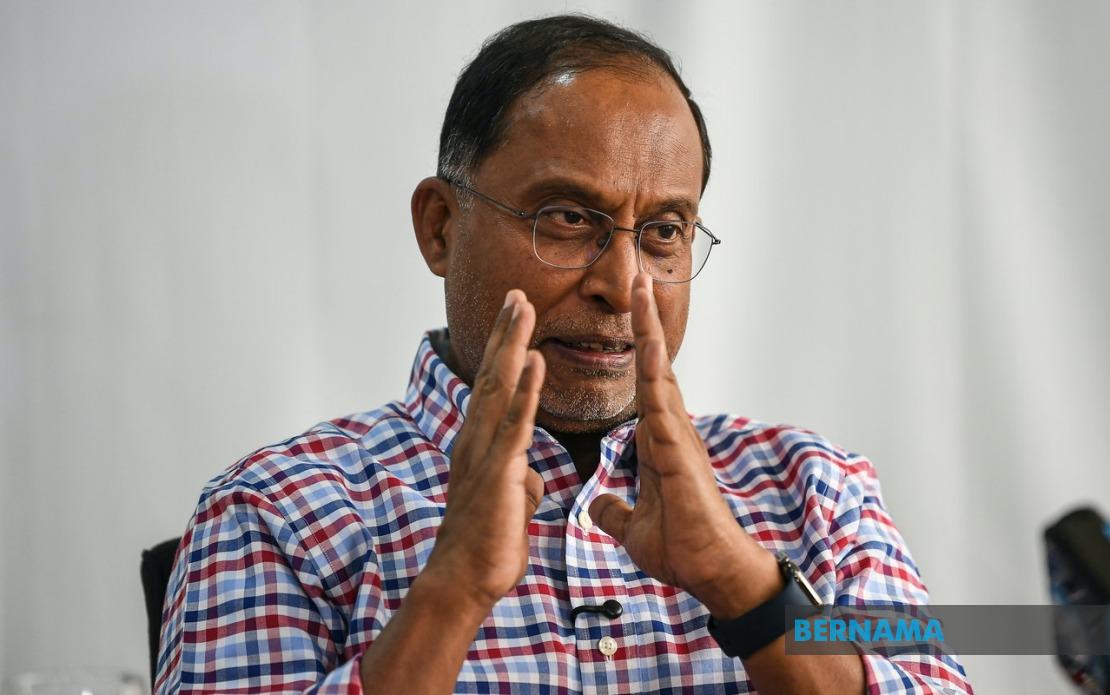
Unsubstantiated claims that between 30,000 and 60,000 students have bypassed normal admission procedures to enter Malaysia's public universities represent a serious threat to the credibility of the country's tertiary education sector, Higher Education Minister Datuk Seri Dr Zambry Abd Kadir has warned. The allegations not only cast aspersions on the standing of individual institutions but also fundamentally undermine confidence in a system that millions of Malaysian families depend upon for accessing quality education and advancing their children's futures.
Dr Zambry expressed particular concern about the narrative these claims create—one that suggests qualified applicants are being denied opportunities while places are instead allocated through improper channels for financial benefit. This perception, if left unchallenged, could prove deeply corrosive to a system already facing scrutiny over accessibility and equity. Parents and students navigating the competitive university admission process require assurance that the system operates fairly and that merit remains the deciding factor in determining who gains entry to public higher education institutions.
The minister emphasised that Malaysia's public university admission framework operates through rigorously defined mechanisms grounded in transparent procedures, documented eligibility standards, and measurable academic achievement. These safeguards exist precisely to ensure that the admission process cannot be easily compromised and that decisions remain defensible and auditable. The structured nature of these systems means that any widespread irregularity would require coordinated failures across multiple institutions—a scenario requiring extraordinary evidence to support.
Crucially, Dr Zambry shifted the burden of proof back onto those making the allegations, noting that claims of such magnitude demand substantiation through concrete data, verifiable methodology, and factual documentation. Assertions alone, however provocative, cannot stand as sufficient grounds for casting doubt on institutional integrity without accompanying evidence capable of withstanding scrutiny. This principle reflects a broader commitment to ensuring that public discourse around education policy remains grounded in verifiable information rather than speculation or assumption.
Recognising the gravity of these allegations and their potential impact, several public universities have taken the step of lodging formal police reports to enable proper investigation. This response is carefully calibrated—not designed to silence legitimate criticism or suppress academic debate, but rather to ensure that serious accusations are examined through established legal frameworks where evidence can be properly evaluated and accountability determined. Such investigations serve the public interest by distinguishing between founded concerns worthy of institutional reform and unfounded claims that merely circulate doubt.
Dr Zambry reiterated that freedom of expression, while fundamental to a functioning democracy, carries accompanying responsibilities. Speech that is genuinely free does not equate to speech without consequences or accountability, particularly when allegations touch on matters of public importance and institutional reputation. The minister stressed that academic and policy arguments must be anchored to facts, data, and credible evidence rather than innuendo or assumption. Those advancing serious claims bear a responsibility to their audience and to the institutions they critique to ensure their assertions are defensible.
The minister warned that individuals and organisations making unsubstantiated allegations must accept responsibility for their claims if they cannot produce solid supporting evidence when challenged. This principle ensures that accusers cannot make damaging assertions and then retreat into claims of victimisation when asked to justify them. It represents a basic standard of intellectual honesty essential to maintaining productive dialogue about institutional improvement and systemic reform.
However, Dr Zambry was careful to distinguish between baseless allegations and legitimate criticism aimed at genuine improvement. The Ministry of Higher Education explicitly remains receptive to constructive feedback and evidence-based recommendations for enhancing the national higher education system. This openness reflects recognition that institutions benefit from external scrutiny and that transparency mechanisms should invite—not repel—genuine oversight. The distinction lies in the quality of critique: sophisticated analysis grounded in evidence differs fundamentally from sweeping accusations unsupported by documentation.
The minister's stance also reflects broader concerns about maintaining Malaysia's competitive position in regional and global higher education rankings and reputation. International students, collaborative research partners, and employers all rely on confidence in the integrity of Malaysian degree credentials. Widespread perception of compromised admissions standards threatens the market value of Malaysian qualifications and the attractiveness of the nation's universities as study destinations. This extends beyond domestic reputation to affect Malaysia's standing in the knowledge economy.
Moving forward, the ministry has committed to continued vigilance in safeguarding institutional integrity while simultaneously maintaining an environment conducive to critical evaluation and improvement. This balancing act requires that institutions remain transparent about their processes and outcomes while simultaneously holding critics to reasonable standards of evidence. The approach reflects confidence that legitimate scrutiny will ultimately validate rather than undermine well-functioning systems.