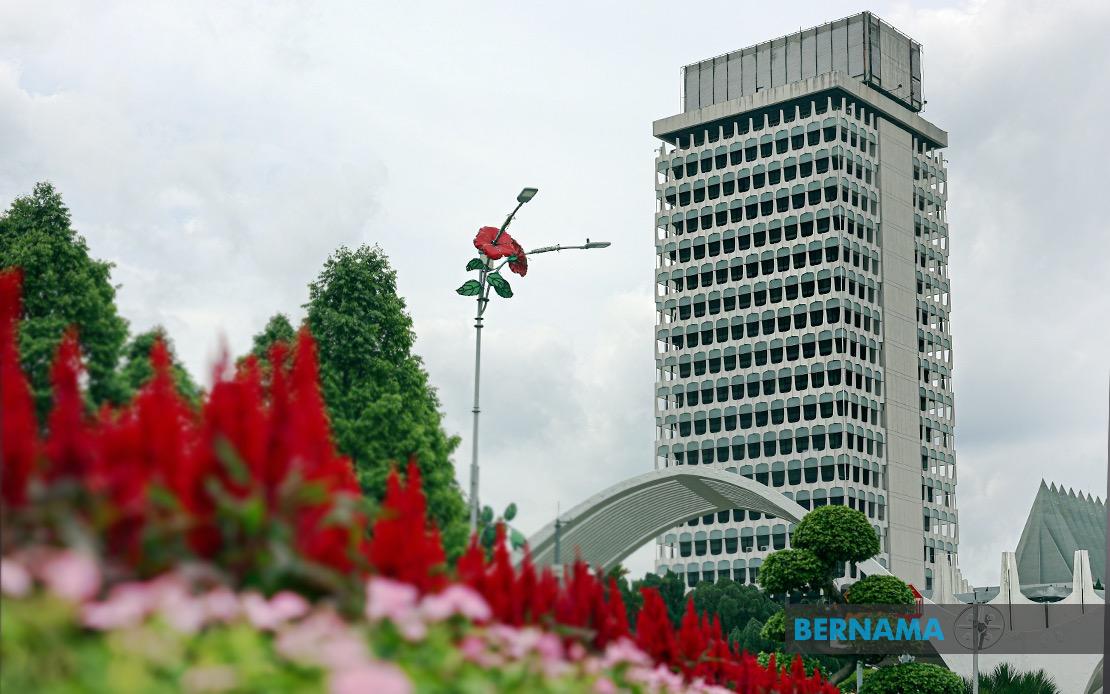
Malaysia's Parliament convenes for a 16-day sitting beginning July 13, with pressing international and domestic concerns set to dominate deliberations on the legislative floor. Among the most significant matters expected to receive scrutiny are the government's approach to reforming the United Nations system, mounting food security threats facing the region, and critical gaps in Malaysia's defence procurement strategy that could leave the nation vulnerable to supply disruptions.
The question of UN reform reflects growing frustration among many nations, including Malaysia, over the structural imbalances embedded within the Security Council. Datuk Seri Sh Mohmed Puzi Sh Ali will press the Foreign Minister to articulate a comprehensive strategy for advancing systemic changes to the world body, particularly concerning the veto powers wielded by the five permanent members. This conversation carries significance beyond parliamentary procedure; Malaysia's advocacy for reform speaks to broader concerns in the Global South about whether international institutions adequately represent the interests of developing nations or remain tools of Cold War-era power arrangements. The question invites examination of what concrete steps Malaysia has taken through multilateral channels and whether the country's diplomatic efforts have yielded tangible progress in building coalitions for institutional change.
Food security looms as an increasingly urgent challenge for Southeast Asia, and Malaysia faces particular vulnerabilities given its reliance on imports for substantial portions of its dietary staples. Shaharizukirnain Abd Kadir will challenge the Agriculture and Food Security Minister to detail the government's response to projections of a looming supply crisis, forcing public disclosure of contingency mechanisms currently in place. The inquiry extends beyond abstract planning to examine whether incentive programmes targeted at food-producing states have successfully translated into higher domestic yields and greater self-sufficiency. The West Asia crisis has sharply elevated input costs for farmers, squeezing margins and potentially discouraging expanded production precisely when the nation needs it most. This question signals parliamentary concern that current policy instruments may prove inadequate if global supply chains face further disruption or geopolitical tensions intensify.
Malaysia's dependency on foreign defence suppliers represents a structural vulnerability that has received insufficient public attention until now. Datuk Awang Hashim's question to the Defence Minister seeks to establish how reliance on external sources has constrained strategic planning within the Malaysian Armed Forces and what safeguards exist against the cascading consequences of supply interruptions, delivery failures, and contract breaches. The Malaysian Armed Forces operate equipment sourced from multiple international suppliers, creating a complex web of dependencies that can be weaponised during political disputes or exploited by disruptions in global logistics. The government must articulate both the scope of this vulnerability and its roadmap for diversifying supply sources and developing indigenous defence capabilities where economically and technologically feasible. This discussion reflects regional trends as other Southeast Asian nations grapple with identical challenges in an increasingly fragmented global order.
Sarawak's aspirations to become Southeast Asia's green hydrogen hub represent an economic opportunity with considerable stakes for the broader region. Rodiyah Sapiee will question the Science, Technology and Innovation Minister about how national energy policy coordinates with this vision and what collaborative frameworks the federal government has established with the Sarawak Government to realise this ambition. Green hydrogen production offers pathways to decarbonise energy-intensive industries while leveraging Sarawak's abundant hydroelectric resources and geographic advantages. However, realising this vision requires sustained investment in research infrastructure, workforce development, and regulatory frameworks that remain under development. The question implicitly asks whether the federal government views this as a genuine strategic priority or merely rhetorical commitment, and whether sufficient resources have been allocated to ensure Malaysia captures its share of the emerging hydrogen economy before competitors in other nations establish dominance.
The legislative agenda extends beyond questions and includes seven government Bills slated for first reading, signalling the government's intent to advance its legislative programme on multiple fronts. The Communications and Multimedia (Amendment) Bill 2026 and the related Malaysian Communications and Multimedia Commission (Amendment) Bill 2026 suggest refinements to Malaysia's regulatory framework governing digital communications—a domain increasingly critical to national development and international competitiveness. The Social Work Profession Bill 2026 indicates recognition that social welfare provision requires professionalisation and standardisation, likely addressing deficiencies in current practice or establishing clearer boundaries of accountability and qualification.
Parliament will also resume deliberations on the Control of Paddy and Rice (Amendment) Bill 2026, reflecting ongoing concerns about agricultural commodity management and food security policy at the legislative level. The government must navigate competing pressures from farmers seeking better prices and protections, consumers demanding affordable staples, and international trading obligations that constrain protectionist measures. The amendments under consideration likely attempt to recalibrate this balance, though the specific provisions remain to be disclosed as the Bill progresses through readings and committee examination.
The convergence of these themes—international institutional reform, food security, defence procurement, and green energy transition—reveals the multifaceted pressures confronting Malaysia's policymakers. Each issue connects to broader trajectories reshaping the regional and global environment: the declining effectiveness of post-1945 international institutions, climate-driven threats to agricultural systems, the fragmentation of global supply chains, and the energy transition that will determine economic competitiveness in the coming decades. Parliament's engagement with these matters, however constrained by legislative procedures and executive prerogatives, provides a venue for public accountability and transparent contestation over strategic directions.
The sitting's duration of 16 days through July 16 provides sufficient time for substantive debate beyond ceremonial first readings and procedural formalities. Whether this window produces genuine scrutiny of executive decisions or devolves into predictable partisan exchanges will depend substantially on the vigour with which opposition and backbench members press their questions and the willingness of ministers to engage substantively rather than deflect with prepared rhetoric. For Malaysian citizens and regional observers, these parliamentary proceedings offer insights into whether the government's strategic vision aligns with the scale and urgency of challenges ahead.

