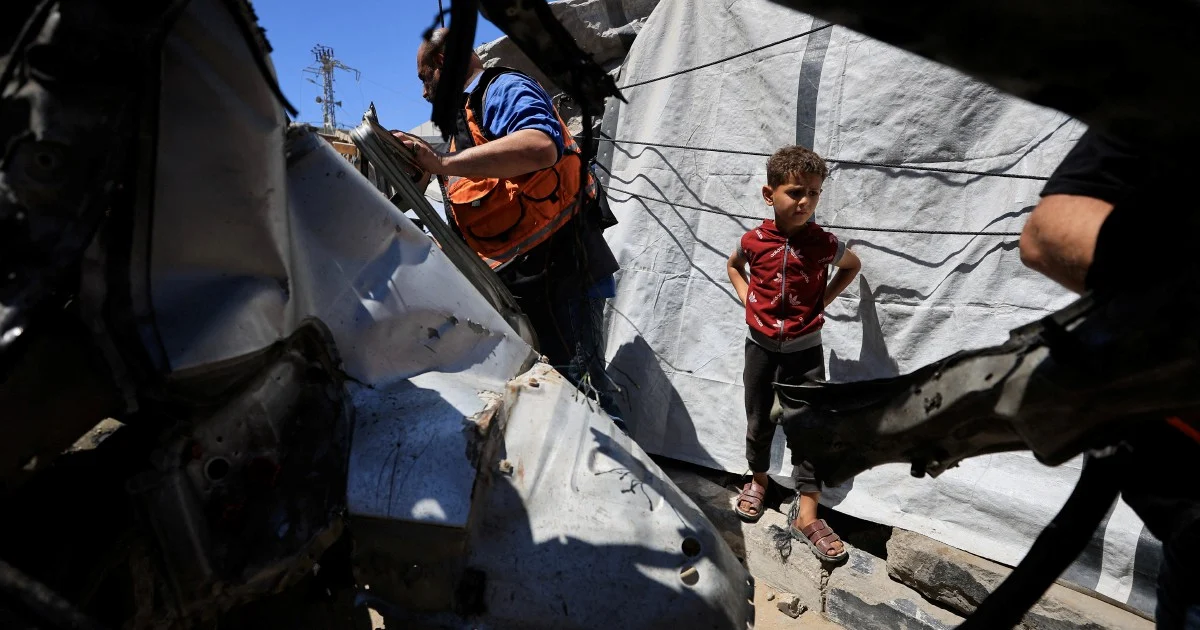
A United Nations investigative body released allegations on Tuesday that Israel has engaged in the deliberate targeting of Palestinian children in Gaza, framing such actions as a defining feature of genocide occurring in the enclave. The claims, which drew immediate denial from Israeli authorities, represent one of the most serious accusations levelled against the Jewish state during the ongoing conflict that has reshaped the Middle Eastern geopolitical landscape.
The UN investigators asserted that the targeting of children constitutes far more than isolated incidents or collateral damage during military operations. Rather, they characterised the pattern as systematic and intentional, suggesting a deliberate policy or strategy aimed at Palestinian youth. This distinction carries profound legal and moral implications under international humanitarian law, where protections for children represent a cornerstone of the Geneva Conventions and related agreements that Malaysia and other nations have pledged to uphold.
The investigation, conducted by UN bodies tasked with monitoring compliance with international law, examined documented cases and gathered testimony from survivors, medical professionals, and humanitarian workers operating within Gaza. The accumulated evidence reportedly demonstrates a consistent pattern rather than sporadic incidents, lending weight to the investigators' conclusions about intentionality. For Southeast Asian nations engaged in regional peace initiatives and dialogues, such findings present uncomfortable questions about neutral positioning in conflicts where such serious allegations have been formally documented.
Israeli officials swiftly rejected the accusations, characterising them as biased and politically motivated. The dispute over methodology, evidence evaluation, and the interpretation of military necessity versus deliberate targeting reflects fundamental disagreements about how to assess conduct during armed conflict. These disagreements extend beyond the immediate parties, influencing how international institutions address allegations of mass atrocity and setting precedents that may affect future investigations into regional conflicts.
The allegation of genocide carries unprecedented legal weight in international relations. The term, defined narrowly under the Genocide Convention to which both Israel and Malaysia are signatories, requires proof of intent to destroy a group in whole or in part. By connecting the targeting of children to broader genocidal intent, UN investigators have essentially argued that the pattern reflects strategic calculation rather than unfortunate consequences of combat operations. This characterisation fundamentally shapes how the international community must respond under its obligations to prevent and punish genocide.
Gaza's humanitarian situation has deteriorated significantly throughout the conflict, with children among the most vulnerable populations. Limited access to clean water, medical supplies, and food has created conditions where children face multiple threats to survival simultaneously. The UN allegations suggest that some of these threats stem not merely from economic collapse or resource scarcity, but from deliberate military targeting, a distinction with major implications for understanding responsibility and accountability in the territory.
For Malaysian policymakers and observers, the UN report arrives amid broader regional discussions about humanitarian intervention, state accountability, and the role of international institutions. Malaysia's own historical experience with internal conflict and commitment to the protection of vulnerable populations means these allegations resonate within domestic political discourse. How international bodies assess such serious claims affects Malaysia's own diplomatic positioning and its credibility when raising human rights concerns in regional forums.
The investigation's timing reflects mounting international pressure regarding the conduct of operations in Gaza. Various nations, human rights organisations, and international bodies have scrutinised military tactics and their humanitarian consequences. The UN investigators' report represents an official institutional assessment rather than advocacy group claims, carrying different weight in international diplomatic circles and potentially influencing discussions at the United Nations General Assembly and Security Council.
Maintaining standards for investigating conflict-related allegations requires rigorous methodology and transparent evidence evaluation. Both the investigators' conclusions and Israeli government responses underscore how interpretations of the same events can diverge dramatically depending on analytical frameworks and evidentiary standards applied. For Southeast Asian nations that often navigate complex situations where multiple stakeholders present conflicting narratives, the challenge of distinguishing credible investigation from political bias remains perpetually relevant.
The broader implications extend to how the international community addresses armed conflict generally. If allegations of systematic targeting of children become established fact through formal investigation, this would represent an escalation in the severity of accusations and potentially trigger different legal and diplomatic responses than might apply to accidental civilian harm. The distinction matters enormously for determining appropriate international responses and for establishing precedents that will influence how future conflicts are assessed and addressed by regional and global institutions.

