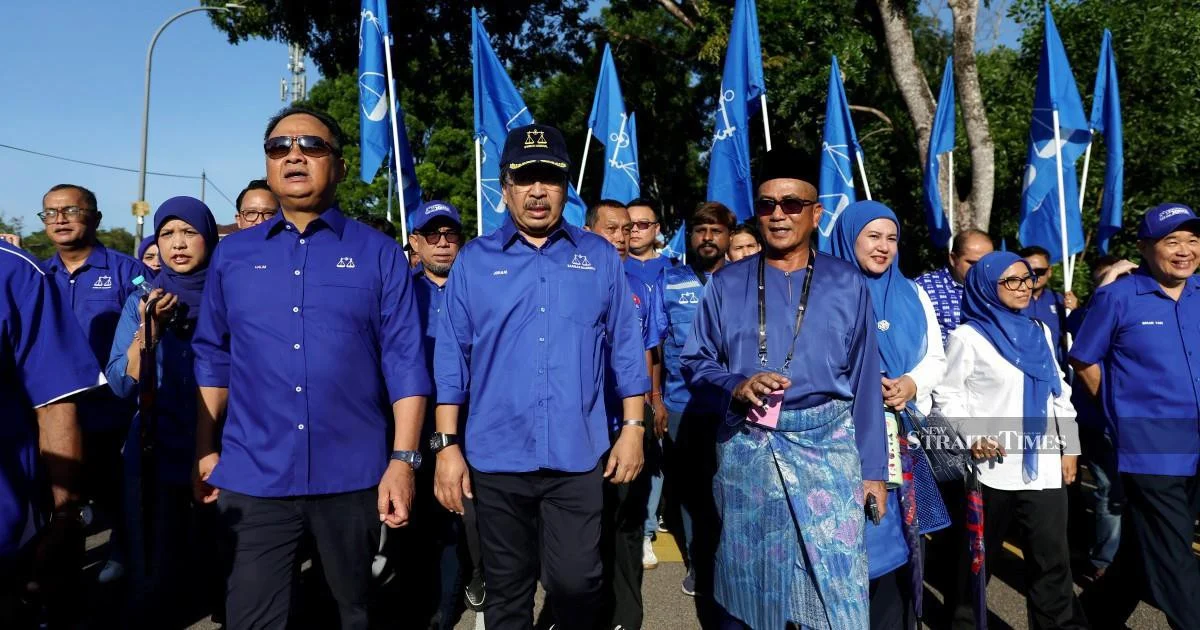
Umno vice-president Datuk Seri Johari Abdul Ghani has intensified the Barisan Nasional campaign machine in southern Johor by appearing at the Taman Pelangi Indah community hall to rally support for the coalition's candidate contesting the Tiram seat, signalling the party's determination to retain this constituency in the lead-up to the state election.
The deployment of senior party leadership to a grassroots venue underscores the strategic importance Barisan Nasional places on holding its ground in Johor, Malaysia's second-largest state by population and a traditional stronghold of the ruling coalition. The Tiram seat, situated in the densely populated Johor Baru district, represents the type of urban and suburban constituency that will ultimately determine whether Barisan maintains its dominance in the state legislature.
Johari's participation in the campaign event reflects broader efforts by Umno to consolidate support among constituents at the community level. By appearing alongside the BN candidate at a local gathering space, senior party figures aim to demonstrate accessibility and commitment to addressing constituency-level concerns. This ground-level engagement remains a crucial element of electoral strategy in Malaysia, where personal connections and direct interaction with voters continue to influence voting behaviour across demographic groups.
The Tiram constituency has historically been competitive terrain, and Barisan's decision to deploy senior figures such as Johari suggests the coalition recognises potential vulnerabilities that require higher-level political attention. In recent years, opposition parties have made significant inroads in urban areas of Johor, particularly among younger voters and those residing in densely built-up zones. The presence of Umno's vice-president serves as a visible affirmation of the party's resolve to defend its electoral territory.
Johari's background as a senior Umno figure carries particular weight in Johor, a state where Umno maintains deep organisational roots and historical influence. His appearance at campaign events signals that the party leadership views Tiram as sufficiently significant to warrant intervention from the highest levels, potentially indicating confidence in the candidate's viability or, conversely, concern about unexpectedly strong opposition momentum.
The community hall setting chosen for this campaign activity reflects an understanding that electoral contests are ultimately decided through engagement with ordinary residents. Taman Pelangi Indah, a residential neighbourhood in the heart of Johor Baru, contains the type of voter demographic that determines outcomes in urban seats. Working families, retirees, and younger residents with varying priorities regarding healthcare, education, cost of living, and local development form the backbone of such constituencies.
Barisan Nasional's strategy in Johor appears calibrated toward preventing opposition consolidation in urban areas while maintaining the coalition's traditional advantage in rural and semi-rural zones. The deployment of senior leadership to community venues in places like Tiram reflects this two-pronged approach: national figures lend credibility and momentum to local candidates while simultaneously demonstrating that the coalition takes even its presumed safe seats seriously enough to invest senior political capital.
The timing of such campaign activities typically aligns with election periods when nomination deadlines have passed and campaigning formally commences. The presence of Johari and other senior figures at constituency-level events marks a transition from internal party processes to public contestation for voter support. For constituencies like Tiram, this period determines whether Barisan's candidate can consolidate advantages or whether opposition candidates can overcome incumbency benefits.
For Malaysian observers and regional analysts tracking Johor's political trajectory, senior leaders' campaign appearances serve as signals of party priorities and confidence levels. The distribution of high-level figures across constituencies provides insight into where parties perceive contests as genuinely competitive versus where they anticipate comfortable victories. Johari's appearance in Tiram thus constitutes a data point in understanding Barisan's broader strategic assessment of Johor's electoral landscape.
The state election in Johor carries significance beyond the state itself, influencing perceptions of Barisan Nasional's viability at the federal level and shaping momentum heading into potential national elections. Results from urban constituencies like Tiram will contribute to broader narratives about whether the coalition can maintain relevance among younger, more mobile, and geographically concentrated voter populations. Senior party figures understand that Johor state results will reverberate through Malaysia's political ecosystem and potentially affect confidence among coalition partners and supporters nationwide.
Johari's campaign appearance also reflects Umno's ongoing efforts to present itself as a party capable of delivering governance and development at both state and federal levels. By having senior figures engage directly with constituents in places like Johor Baru, the party attempts to counter narratives of detachment from ordinary citizens' concerns. Such engagement, whether focused on specific policy commitments or broader assertions of competence, remains central to competitive electoral strategy in Malaysia's sophisticated political environment.

