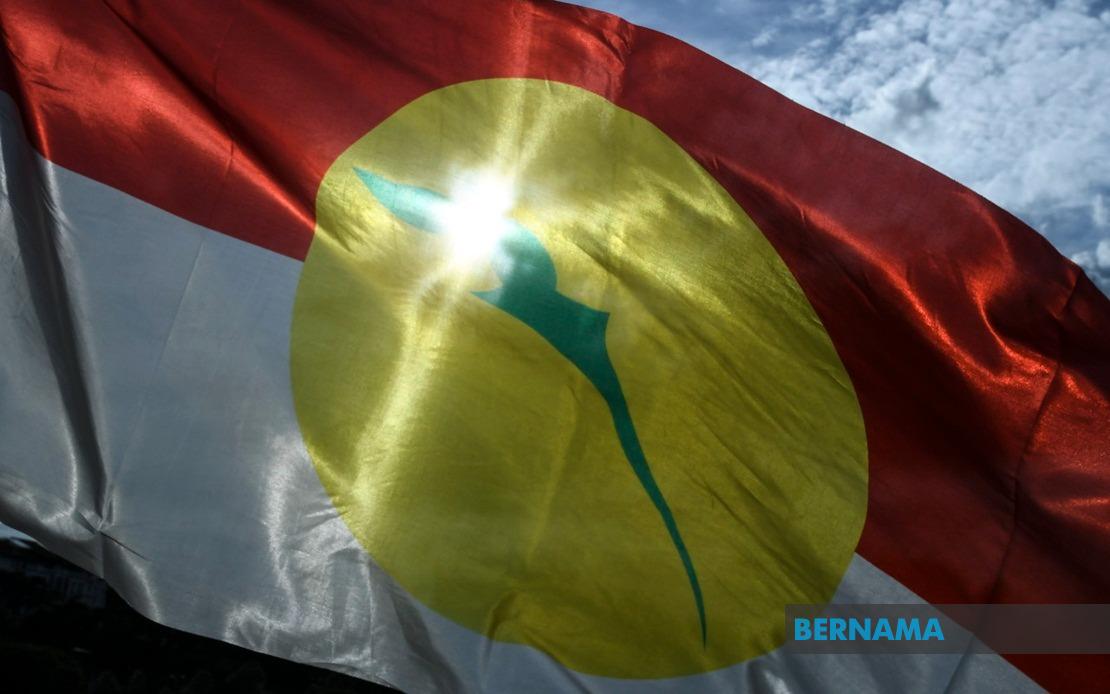
Malaysia's governing coalition faces a critical test of internal cohesion as the 16th Johor state election approaches, with UMNO confronting the delicate balance between managing factional tensions and presenting a unified front to voters. The party's information chief Datuk Seri Azalina Othman Said has issued a forceful statement calling on UMNO members to subordinate personal grievances to the collective interests of the party and the public, signalling that senior leadership recognises the potential damage that lingering dissatisfaction could inflict on the coalition's electoral prospects in Malaysia's most populous peninsula state.
The candidate nomination process has evidently stirred controversy within UMNO's ranks, prompting several high-profile figures to voice their discontent. Most notably, UMNO Supreme Council member Datuk Dr Mohd Puad Zarkashi announced his immediate departure from the party, citing a need for freedom to express his views without the constraints of party discipline. This resignation carries particular significance given Mohd Puad's standing within the party hierarchy, suggesting that frustrations run deeper than routine disappointment among unsuccessful candidates.
Secretarian-General Datuk Dr Asyraf Wajdi Dusuki attributed Mohd Puad's exit to his son's failure to secure nomination for the Rengit state seat, indicating that family interests rather than ideological disputes may be driving some of the internal friction. This pattern of hereditary political expectations reflects a broader tension within Malaysian political structures, where senior figures often groom family members for electoral contests and may struggle to accept when such succession plans are thwarted by party selection committees.
Azalina's public statement represents a deliberate effort to reframe the nomination outcome as a demonstration of party maturity rather than an example of internal dysfunction. Her argument that mature political organisations must embrace disagreement while ultimately enforcing collective discipline reflects a sophisticated understanding of how internal party disputes can be weaponised by opposition parties during election campaigns. By acknowledging that disappointment is understandable while simultaneously demanding compliance, she attempts to validate members' feelings without permitting those feelings to translate into public criticism or defection.
The information chief drew a subtle distinction between the freedom to express concerns during internal party deliberations and the obligation to maintain unity once decisions are made through established channels. This framing attempts to isolate figures like Mohd Puad who cross the line from internal criticism to public resignation, potentially portraying such actions as departures from expected party loyalty rather than legitimate responses to unjust selection procedures. For Malaysian voters observing these dynamics, the message conveys that UMNO expects members to prioritise institutional interests over individual preferences.
Azalina also offered measured praise for Johor UMNO Liaison Committee chairman Datuk Onn Hafiz Ghazi and his selection team, characterising their work as requiring both political courage and careful deliberation. This endorsement serves multiple functions: it legitimises the selection process through approval from senior national leadership, it shields Onn Hafiz from potential backlash, and it subtly suggests that challenges to the candidate list represent challenges to the entire party hierarchy. Such support may discourage other disgruntled members from following Mohd Puad's example of public resignation.
The broader context of Johor state politics amplifies the significance of these internal tensions. Johor, as Malaysia's most populous peninsula state and a traditional UMNO stronghold, carries outsized importance for the coalition's national political standing. Any deterioration in party discipline or public displays of internal conflict could embolden opposition parties and potentially shake voter confidence in UMNO's ability to govern effectively. The timing of these frictions, emerging just days before the formal nomination period begins, underscores how consequential the coming weeks will be.
Azalina's assertion that UMNO maintains an ample supply of potential leaders at all levels, from grassroots activists to emerging young talent, represents an attempt to minimise the significance of individual candidates who failed to secure nominations. By suggesting that the party perpetually renews its leadership cadre, she implies that unsuccessful candidates should view rejection as merely a postponement rather than a definitive career setback. This framing encourages patience and continued loyalty among those disappointed by the selection outcome.
The upcoming election timeline adds urgency to these efforts at party consolidation. With the Election Commission having scheduled nominations for June 27 and polling day for July 11, UMNO has limited time to resolve internal grievances and mobilise members for the campaign. Any sustained ruptures could create openings for the opposition Democratic Action Party, Pas, and other rivals to exploit divisions within the ruling coalition. The effectiveness of Azalina's appeal to party discipline will become apparent in the coming weeks, particularly if additional resignations occur or if nominated candidates face organised resistance from disappointed party members.
For Malaysian political observers and potential voters in Johor, these internal manoeuvres reveal the complex mechanics through which major political parties maintain operational unity despite inevitable conflicts over nominations and resource allocation. The question of whether UMNO can successfully transform personal disappointment into renewed commitment will substantially influence the party's performance in this significant state election and potentially affect the broader political landscape heading toward the next general election.

