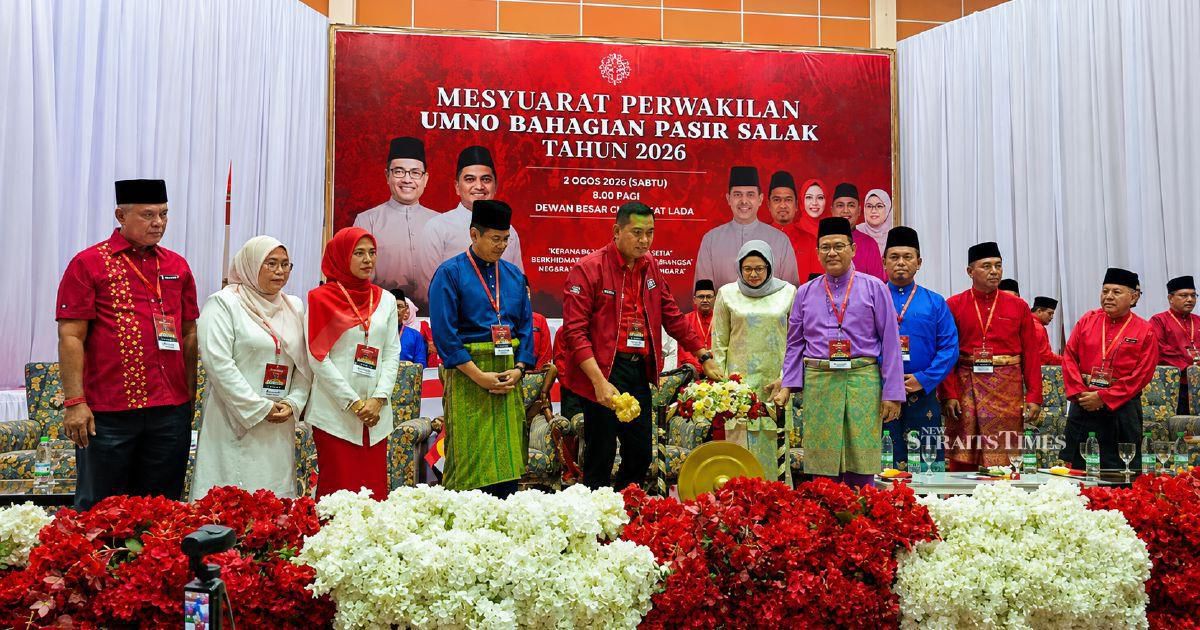
The growing political alignment between Barisan Nasional and Perikatan Nasional faces questions about how decision-making will be balanced between national leadership and grassroots structures, with Umno's Youth wing now pressing for the voices of divisional leaders to carry weight in future seat negotiations. Speaking in Pasir Salak, Umno Youth chief Datuk Dr Muhamad Akmal Saleh emphasised that representatives operating at division level should not be sidelined when the party and its coalition partners map out electoral arrangements for forthcoming polls.
The intervention reflects underlying anxieties within Umno's rank-and-file about how seats might be redistributed or surrendered under the BN-PN understanding, a political marriage that has been crystallising since late 2023 and continues to reshape Malaysia's coalition landscape. Division chiefs and grassroots organisers worry that centralised negotiations could produce outcomes that weaken their influence, reduce candidate opportunities for local representatives, or dilute the party's traditional dominance in particular constituencies. Akmal's statement serves as a reminder to senior party figures that buy-in from the ground level remains essential for implementing any electoral pact.
The BN-PN understanding represents one of the most significant structural shifts in Malaysian politics over recent years, potentially ending decades of rivalry and positioning the combined bloc to dominate elections at both state and federal levels. However, the mechanics of how Perikatan Nasional parties—primarily Bersatu, PAS, and Gerakan—will coexist with Umno, MIC, and other BN components on ballots remain fluid and contentious. For Umno, which has historically absorbed the bulk of bumiputra-based votes and held the largest number of parliamentary seats among coalition members, any reduction in seat count would represent a tangible loss that members fear could undermine the party's standing and internal morale.
Divisional autonomy in Malaysian political parties carries weight because these structures directly manage candidate selection processes, campaign machinery, and voter mobilisation within constituencies. When divisions have limited input into seat allocations negotiated at the top, resentment builds among those tasked with delivering electoral victories. Akmal's push for respecting division leaders' positions suggests that Umno's central leadership must find mechanisms to consult, negotiate, and accommodate grassroots concerns before finalising arrangements with Perikatan Nasional. This becomes especially critical in constituencies where BN and PN might both claim historical strongholds or where seat swaps could pit party members against one another.
The youth wing's intervention also signals generational and ideological positioning within Umno. Youth movements often serve as advocates for members who feel unheard by senior management, and Akmal's intervention places the wing in that role, potentially gaining internal political capital while reinforcing his own profile within the party hierarchy. By emphasising respect for divisional views, he frames the youth wing as defending grassroots interests against any perception of autocratic decision-making from the top, a framing that matters in a party that has experienced multiple leadership upheavals and membership dissatisfaction over recent years.
For Malaysian voters and observers, this dynamic highlights a structural challenge inherent in coalition politics at scale. When two large political alliances—BN and PN—attempt to rationalise their electoral presence, friction points emerge between national strategy and local prerogatives. Constituencies that have long been considered safe BN seats might be offered to PN partners in search of broader national balance, creating anger among Umno members who view such moves as betrayals. Conversely, PN partners expect meaningful gains from the arrangement, not token representation. Reconciling these competing claims without demoralising party members requires genuine deliberation, not simply top-down directives.
The context of this statement also matters. Umno has been navigating internal recovery since the party's devastating losses in 2018 and subsequent legal troubles affecting senior figures. The reunification of the coalition under Datuk Seri Ahmad Zahid Hamidi's leadership offered a path toward renewed electoral competitiveness, but it has simultaneously exposed divisions between those who view the PN alliance as strategic necessity and those who regard it as a capitulation of Umno's autonomy and identity. Akmal's insistence on respecting divisional positions reflects a broader desire within Umno to ensure that members feel genuinely consulted and valued, not merely mobilised for national projects determined elsewhere.
International and regional observers have noted that Malaysian coalition politics increasingly resembles transactional arrangements driven by elite calculations rather than ideological coherence. The BN-PN understanding exemplifies this trend, uniting disparate parties around shared interests in electoral survival and power consolidation rather than programmatic vision. Within this environment, divisions and grassroots members can feel like they are being treated as instruments rather than stakeholders. Akmal's appeal for respect suggests that even pragmatic political marriages require legitimacy from multiple levels of the organisational hierarchy to function effectively over time.
Moving forward, how Umno's leadership responds to pressure from divisional leaders—and how PN partners reciprocate by respecting BN's internal needs—will shape whether this political understanding proves durable or becomes another temporary realignment destined to unravel when electoral calculus changes. The coming months will reveal whether consultation mechanisms are established or whether seat negotiations proceed with limited grassroots input, determining both the internal cohesion of Umno and the broader viability of the BN-PN alliance.

