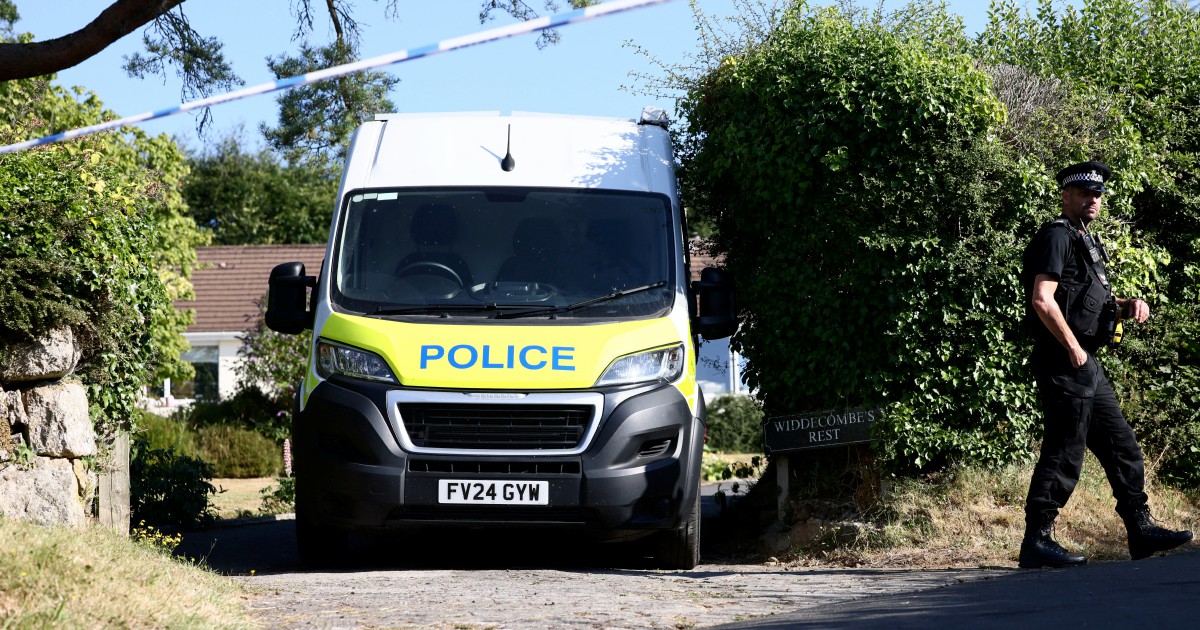
A 26-year-old man who was apprehended in connection with the death of former British government minister Ann Widdecombe has been released from custody, with police confirming on Saturday that he is no longer a person of interest in their investigation. The development marks a significant turn in what had initially appeared to be a major lead in a case that captured substantial public attention across the United Kingdom.
Ann Widdecombe, a prominent Conservative Party politician who served in government during Margaret Thatcher's administration and later held various ministerial positions under subsequent prime ministers, had been at the centre of a murder inquiry that garnered considerable media scrutiny. Her prominence in British public life, combined with the serious nature of the allegations, ensured that developments in the case were closely monitored by news outlets and the public alike.
The decision to release the suspect without charges suggests that police investigators did not find sufficient evidence to proceed with formal accusations at this stage of the inquiry. Such a development is not uncommon in major criminal investigations, where initial arrests based on preliminary information or witness accounts may not ultimately lead to charges if further examination fails to corroborate suspicions or establish clear culpability. The release indicates that the investigative team concluded the detained individual did not warrant continued detention pending formal charges or court proceedings.
For readers in Malaysia and across Southeast Asia, the case illustrates broader patterns within the British criminal justice system, particularly regarding the treatment of suspects and the distinction between arrest and charging. Unlike some jurisdictions, the United Kingdom maintains specific time limits for how long police can hold suspects without formal charges, balancing public safety concerns with individual rights protections. This procedural framework ensures that detainees cannot be held indefinitely while investigations unfold.
The death of Widdecombe, whose career spanned several decades of British political life, represented a loss that resonated beyond political circles. Her public profile meant that the circumstances surrounding her death drew sustained interest from parliamentary colleagues, political commentators, and the broader electorate. The investigation's progress—or apparent lack thereof—would therefore have been monitored not merely as a criminal matter but as an event of some cultural and political significance within Britain.
Police investigations into high-profile deaths often involve extensive inquiries, with detectives pursuing multiple lines of inquiry simultaneously. The release of the primary suspect does not necessarily signal the end of investigative efforts, but rather indicates a redirection of resources toward other potential leads. Investigators may continue gathering evidence, interviewing witnesses, and examining forensic or circumstantial details that could eventually identify alternative suspects or reveal new information about the circumstances of the death.
The timing of the announcement—on a Saturday—reflects standard police communication practices in the United Kingdom, where significant developments are often released to the media according to established protocols regardless of the day of the week. Such announcements typically come after careful consideration by investigating officers and crown prosecutors regarding what information should be made public and when.
For the released suspect, the experience of being apprehended and held on suspicion of a serious crime represents a significant disruption to daily life, despite the eventual clearing of suspicions. In high-profile cases, individuals arrested as suspects often face considerable public scrutiny and media attention, which can affect their reputation and personal circumstances even if ultimately exonerated or released without charge.
The case underscores the complexity of modern criminal investigations, particularly when they involve individuals of public prominence. Investigators must navigate intense media interest, public expectations for rapid resolution, and the demands of thorough investigative procedure. Balancing these pressures while maintaining the integrity of the inquiry presents considerable challenges for law enforcement agencies.
Moving forward, the investigation will presumably continue along alternative avenues, with police potentially examining additional suspects, re-examining existing evidence, or awaiting the results of ongoing forensic analysis. The public nature of investigations into such prominent cases means that further developments will likely be reported as they emerge, keeping the matter in public consciousness until either the case reaches resolution or enters a period of inactive status.
The incident also reflects broader discussions within the United Kingdom regarding police resources, investigative capacity, and the challenges of solving serious crimes. As criminal investigations become increasingly complex, police forces across the country face pressures to allocate limited resources effectively while maintaining public confidence in their ability to pursue justice thoroughly and fairly.

