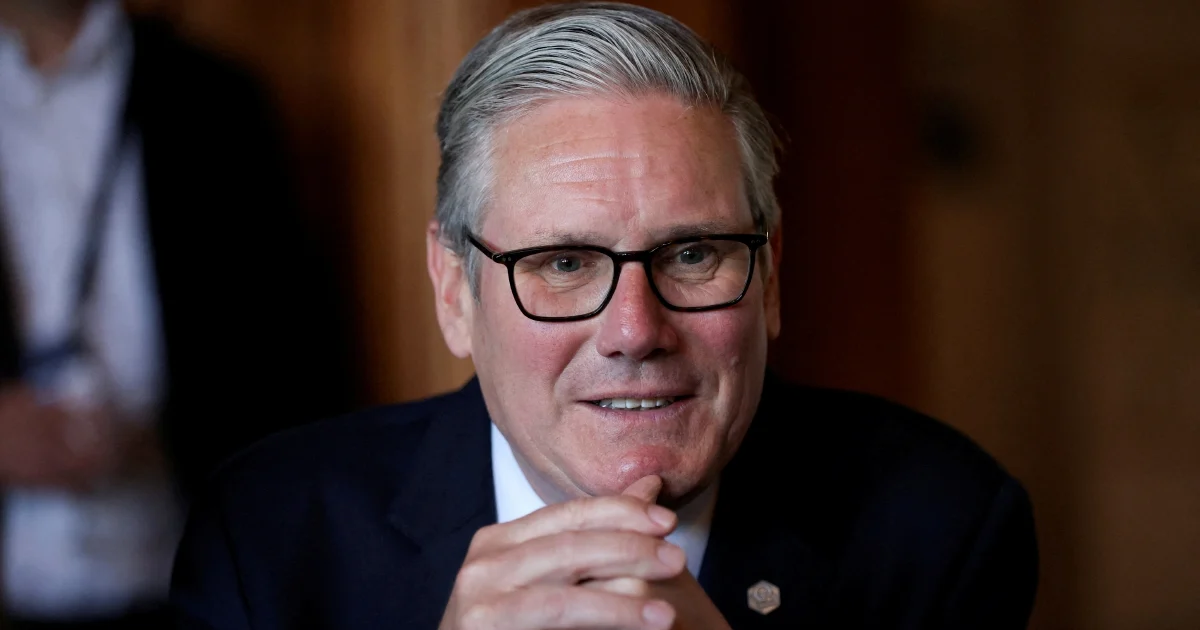
Speculation surrounding the political future of UK Prime Minister Keir Starmer intensified after The Observer newspaper reported that he was preparing to step down from office and announce a transition schedule. The British publication suggested that such an announcement could come as early as Monday, creating an immediate focus on whether the Labour leader would follow through on what sources had allegedly indicated to the media. However, officials within the British government moved quickly to counter the narrative, with a government spokesperson insisting that Starmer remained wholly committed to his responsibilities and would continue prosecuting his governing agenda without distraction.
The emergence of these conflicting accounts reflects the intense scrutiny facing the Starmer administration following a period marked by significant political turbulence. The Labour government has navigated considerable challenges since assuming office, including contentious policy decisions and rising public discontent. Against this backdrop, speculation about leadership transitions has become a recurring feature in Westminster commentary, with various media outlets regularly assessing whether the current Prime Minister might accelerate his exit timeline.
For Malaysian observers of British politics, the situation underscores broader patterns of political instability that have become characteristic of Westminster governance. Over the past decade, the United Kingdom has witnessed frequent changes in leadership and sustained periods of internal party conflict. These dynamics have consequences extending far beyond Britain's shores, affecting the country's international standing, diplomatic relationships, and economic performance. A weakened or transitional administration in London can complicate bilateral relations with Commonwealth partners and regional organisations across Southeast Asia.
The timing of these resignation rumours carries particular significance given the current state of British politics. A Prime Minister consumed by succession planning would struggle to maintain focus on pressing domestic and international priorities. Starmer's government must address persistent economic challenges, including inflation concerns and public sector demands for investment. Additionally, the UK maintains numerous international commitments and trade relationships that require stable, decisive leadership.
Government denials of the resignation story represent a standard defensive response from Number 10, yet they do not necessarily eliminate underlying questions about the Prime Minister's political durability. In contemporary Westminster, where media narratives can rapidly coalesce around departing leaders, such statements serve a crucial function in maintaining the appearance of continuity and control. The gap between what officials publicly assert and what party insiders privately discuss often provides insight into genuine political calculations occurring behind closed doors.
The broader context involves mounting pressure on the Starmer government from multiple directions. Labour backbenchers have expressed concerns about various policy directions, while the opposition Conservative Party continues to attack government performance. Public satisfaction metrics have reportedly declined in recent months, reflecting dissatisfaction with economic conditions and public services. These cumulative pressures create an environment where succession discussions inevitably emerge, regardless of whether the Prime Minister himself actively contemplates stepping aside.
For stakeholders in Southeast Asia, including Malaysia, the question of British political stability matters considerably. The UK remains an important trading partner and a significant actor in regional security architecture through frameworks like the Five Power Defence Arrangements. A period of transition at the highest levels of British government could complicate negotiations on trade, security cooperation, and diplomatic initiatives. Additionally, investor confidence in British governance influences capital flows and economic conditions that affect regional markets and competitors.
The Observer's reporting, if accurate in its core claims, would suggest that discussions about Starmer's tenure have progressed beyond mere speculation to the level of concrete planning. The newspaper's assertion that a resignation announcement and transition schedule were imminent carries substantial weight given the publication's established track record in reporting from government sources. However, the government's swift rebuttal indicates either that these discussions remain preliminary or that officials wish to discourage further media coverage of the matter.
Starmer's political position, while currently under scrutiny, does not necessarily face immediate terminal decline. Prime Ministers and senior political figures regularly weather periods of intense criticism and speculation about their futures. The capacity to demonstrate renewed policy achievements or reverse negative public opinion trends can quickly alter perceptions of political viability. Conversely, if negative sentiment continues accumulating, succession dynamics could accelerate regardless of current denials.
The Observer story and its subsequent contradiction exemplify the ongoing tension between Westminster insiders seeking to shape political narratives and governmental authorities attempting to maintain public confidence in leadership. These competing dynamics will likely persist in coming weeks and months as political observers scrutinise Starmer's every statement and decision for signs of flagging commitment or confidence. Whether the Prime Minister ultimately fulfils the succession timeline allegedly discussed with the media, or instead consolidates his position and dismisses such speculation as premature, will depend on developments in British politics that remain uncertain.

