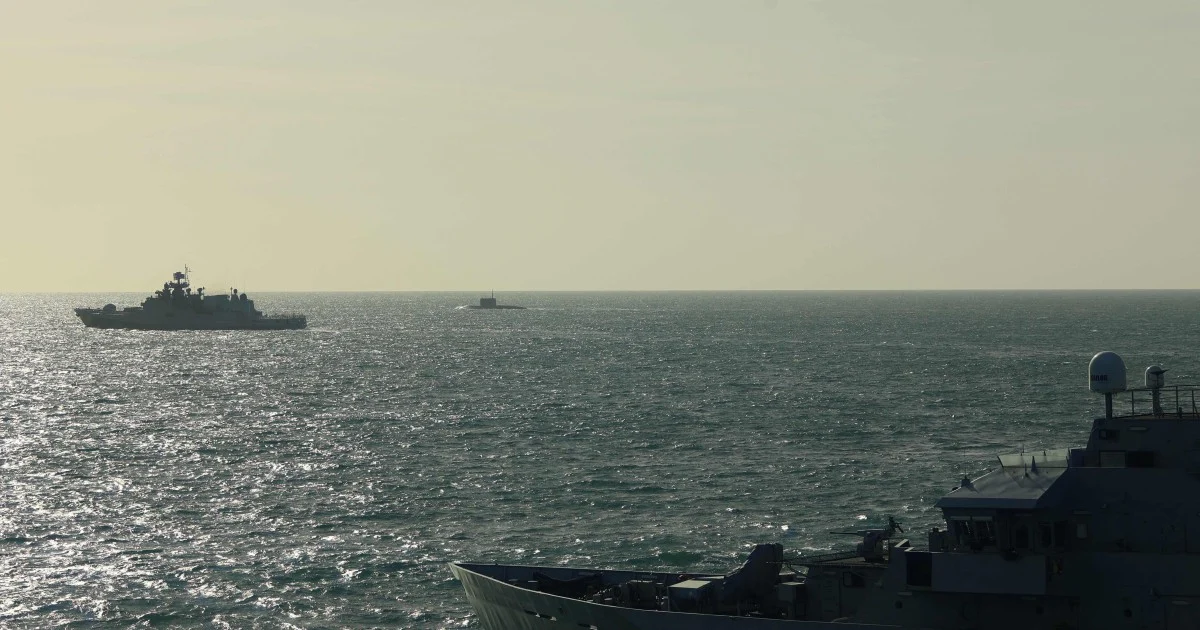
British Prime Minister Keir Starmer characterised firing incidents involving a Russian warship in the English Channel on Wednesday as reckless conduct, stopping short of labelling the actions as deliberately provocative or strategically menacing. The incident, involving warning shots directed near a civilian yacht, represents the latest in a series of confrontations between British and Russian forces operating in European waters, signalling the persistent friction between the two nations at sea.
Starmer's measured language reflects a diplomatic approach that acknowledges the serious nature of the discharge without escalating rhetorical tensions. By distinguishing between recklessness—suggesting poor judgment or negligence—and sinister intent, the Prime Minister appeared to emphasise that whilst Russian conduct violated maritime norms and safety protocols, it did not necessarily represent a calculated military threat. This linguistic distinction carries implications for how the United Kingdom calibrates its response, potentially leaving room for de-escalation whilst maintaining a clear criticism of Russian behaviour.
The English Channel incident joins a growing pattern of maritime encounters that have punctuated UK-Russia relations since Moscow's 2022 invasion of Ukraine. British naval vessels and Russian counterparts have experienced numerous close approaches, surveillance operations, and provocative manoeuvres in contested waters. Each incident adds another layer to the strategic competition unfolding in European maritime zones, where traditional shipping lanes intersect with expanding military postures and intelligence gathering activities.
For Malaysian and Southeast Asian observers, these UK-Russia maritime frictions carry broader significance regarding international law of the sea and the principle of freedom of navigation. The waters surrounding Europe mirror challenges faced in the Indo-Pacific, where multiple nations maintain overlapping claims and competing military interests. The warning shots incident demonstrates how naval powers, particularly those in confrontation, test boundaries and establish precedent through at-sea behaviour that operates in legal grey zones.
The English Channel holds particular strategic importance as one of the world's busiest shipping corridors, with commercial traffic regularly transiting between the Atlantic and continental European ports. Civilian vessels, including the yacht targeted by warning shots, depend on predictable maritime conditions and freedom from military interference. Incidents involving warning shots create hazardous environments for merchant shipping and establish dangerous precedent whereby military vessels employ intimidation tactics near non-military craft.
Russia's conduct reflects broader patterns of assertiveness in waters adjacent to European NATO members, particularly following its exclusion from many Western-led maritime forums and intelligence-sharing arrangements. The Kremlin views its naval operations as legitimate assertions of sovereign rights and strategic reach, whilst Western capitals interpret the same actions as provocative and destabilising. This fundamental disagreement about maritime norms and acceptable behaviour generates recurring friction points.
Starmer's characterisation of the incident as reckless rather than sinister may also reflect pressure from the British government to avoid further militarisation of the situation. Labelling Russian actions as deliberately threatening could trigger demands for escalatory responses, including enhanced naval deployments or closer integration with NATO allies. The Prime Minister's careful language suggests Britain is pursuing a strategy of firm protest coupled with measured responses designed to register displeasure without widening the conflict.
The timing of this incident occurs against a backdrop of heightened European security concerns, including the war in Ukraine and intelligence warnings about Russian activities across the continent. Britain maintains significant naval commitments in European waters and participates actively in NATO collective defence arrangements. Any incident involving Russian warships therefore carries implications for alliance cohesion and strategic coordination amongst Western powers facing Russian pressure.
For commercial shipping interests and maritime operators, particularly those responsible for yachts and smaller vessels navigating European waters, such incidents highlight the real safety risks emanating from military operations in crowded shipping zones. Insurance costs, route planning, and operational procedures increasingly reflect the need to avoid areas where military exercises or confrontations occur. The normalisation of warning shots and aggressive naval behaviour therefore imposes tangible costs on legitimate maritime commerce and recreational activities.
Russia's positioning of warning shots as legitimate defensive or regulatory measures contrasts sharply with Western interpretation of these actions as dangerous and destabilising. Moscow may argue that its vessels possess legitimate security concerns and rights to enforce regulations in international waters, whilst Britain and allies maintain that such conduct violates international maritime law and creates unacceptable risks. This disagreement about legality and legitimacy sits at the heart of persistent UK-Russia maritime tensions.
The incident underscores how traditional great power competition manifests increasingly through maritime operations and challenges to freedom of navigation. Whilst Europe confronts Russia directly through Ukraine, these at-sea encounters between British and Russian forces represent a secondary but significant domain of strategic competition. The English Channel remains a arena where London seeks to demonstrate its continued operational presence and capacity to respond to Russian provocations.
Looking forward, such incidents are likely to continue characterising UK-Russia relations absent fundamental changes in political circumstances or strategic relationships. Starmer's careful language suggests Britain will continue documenting and protesting Russian behaviour whilst maintaining room for de-escalation. However, continued warning shots and aggressive naval manoeuvres risk normalising dangerous practices and establishing precedent for further provocations. The challenge for the Prime Minister involves projecting strength and commitment to maritime freedom without inadvertently widening the conflict or triggering unintended escalatory spirals.