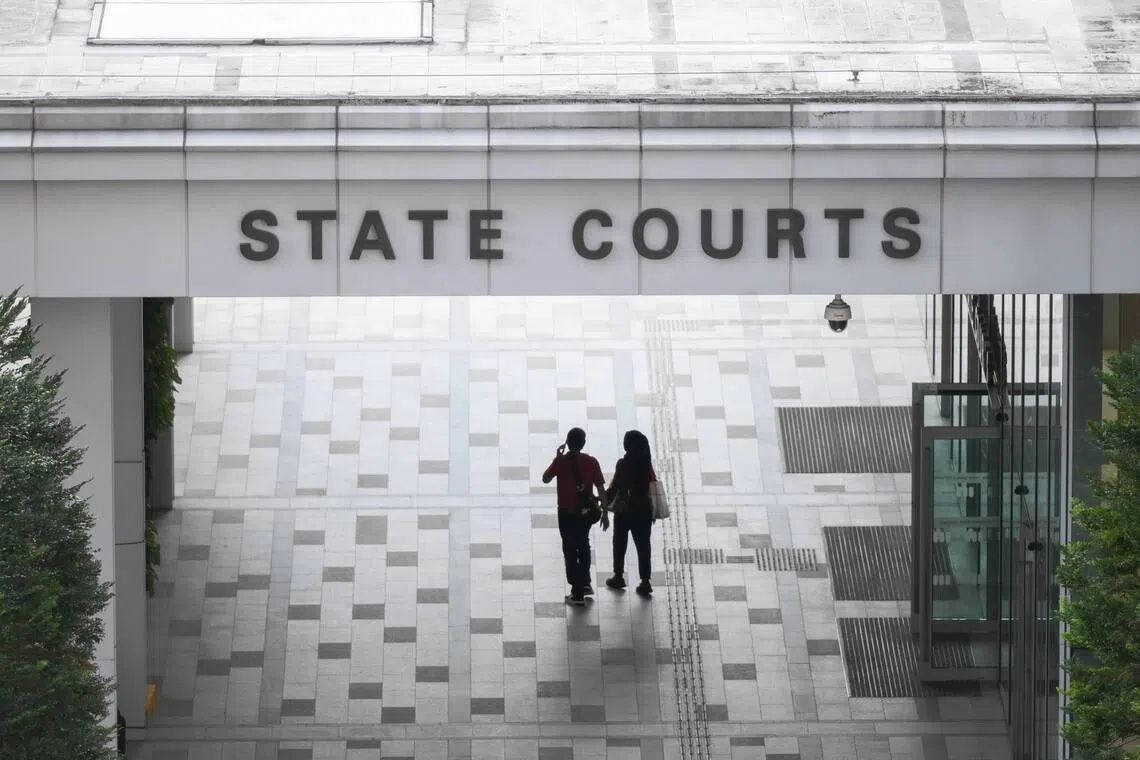
Three individuals—two medical practitioners and a woman in Singapore—find themselves at the centre of a serious drug-related prosecution that underscores the city-state's stringent stance on controlled substances. Loke Wei Kang, 33, and Lee Wei Sheng, 35, both doctors, alongside Le Vie, 33, have been charged with organising a gathering specifically intended for drug use, an offence that carries a maximum penalty of two decades in prison along with ten strokes of the cane. The trio are contesting the central allegation, arguing that the evening at Orchid Country Club was an impromptu decision rather than a premeditated scheme.
According to court records, the sequence of events began on April 9, 2024, when the three gathered at Loke's family residence in Seletar. As the evening progressed and a noise complaint prompted police attendance after 10pm, the group decided to relocate to continue their activities away from the residential area. Rather than disperse, however, Loke and Lee approached Vie with a request to procure controlled substances through her connections—specifically ketamine and a mixture known as "happy water," which the court documents describe as a potent combination comprising ketamine, Ecstasy, methamphetamine, and prescription medications including diazepam and tramadol.
The risks associated with such drug cocktails are well-documented in international health assessments. The United Nations Office on Drugs and Crime cautioned in 2022 that products like "happy water" produce unpredictable and potentially dangerous effects, with a particular danger arising from polydrug use—the consumption of multiple substances simultaneously or in close succession. Research consistently demonstrates that fatal overdoses overwhelmingly involve multiple drug types rather than single substances, making the combination approach especially hazardous. This context is crucial for understanding the severity with which Singapore's legal system treats organised consumption of such substances.
Vie proceeded to contact a drug supplier, negotiating the purchase of three packets of "happy water" and two packets of ketamine. She arranged a meeting at a nearby park to collect the drugs, with Lee accompanying her to the exchange point. The documentary evidence suggests a deliberate procurement process rather than opportunistic acquisition. Shortly after 11pm, a fourth individual—a mutual acquaintance—arrived at Loke's residence seeking to join the gathering. The group then collectively made the decision to relocate once more, this time to provide themselves with a more suitable environment for both socialising and substance consumption.
Lee took charge of booking a hotel room at Orchid Country Club, formalising arrangements for the venue change. When the three principal defendants eventually attempted to use the ketamine they had purchased, they discovered that two of the four packets were missing—a complication that was resolved when the missing packets were later located in Loke's vehicle. Rather than abandoning their plans, Vie contacted the drug supplier a second time, arranging another two-packet purchase and personally collecting these additional drugs at the hotel venue before bringing them into the room for communal use.
Law enforcement intervention came at approximately 3.50am when officers conducted a raid on the hotel room, resulting in the arrest of all four individuals present. While court documents confirm the arrest of a fourth person at the scene, the legal status and charges facing this individual remain unclear from available records. The three named defendants face multiple charges: the planning charge carries mandatory minimum sentences of three years' imprisonment, while drug consumption charges independently carry minimum sentences of one year.
The defendants' legal strategy centres on challenging the "planning" characterisation of the gathering. Their defence rests on the argument that while they booked the hotel room ostensibly for socialising and drinking, the decision to obtain and consume drugs was made spontaneously thereafter, rather than being a predetermined objective from the moment they made the reservation. This distinction carries considerable legal weight, as the severity of penalties depends fundamentally on whether the drug consumption was integral to the planning or merely an incidental development during the evening.
However, the chronology presented in court documents appears to paint a different picture. The succession of actions—the request for drug procurement, the arranged meeting with a supplier, the collection of substances, and the subsequent relocation specifically to facilitate consumption in a more secure setting—suggests a developing plan rather than a spontaneous impulse. The decision to contact the supplier again when drugs went missing, and to collect additional packets at the hotel itself, further complicates any claim of spontaneity.
For Malaysian observers, this case illustrates the markedly different approach Singapore takes toward drug offences compared to regional counterparts. While Southeast Asian nations generally maintain strict drug laws, Singapore's penalties—combining lengthy imprisonment with corporal punishment—represent among the most severe in the region. The case also demonstrates how even professionals with significant social standing and educational attainment face the full force of the law when involved in drug-related activities.
The prosecution's case appears to rest substantially on documentary evidence from communications with the drug supplier, the hotel booking records, and the sequential movements of the defendants throughout the evening. The presence of the fourth individual and the question of whether they faced charges could prove relevant to establishing whether this was indeed an organised gathering. As the trial resumes on July 30, the court must weigh whether the defendants' interpretation of spontaneity can reasonably account for the evident coordination visible in their actions.
Beyond the immediate legal proceedings, this prosecution sends a clear message regarding Singapore's intolerance of organised drug consumption, particularly among educated professionals who might otherwise expect greater leniency. The case underscores that professional credentials provide no insulation from Singapore's drug laws, and that gatherings organised around controlled substance use face particularly severe consequences. For the defendants, the outcome will largely hinge on how judges interpret the distinction between planning and spontaneity—a determination that could significantly impact sentencing within the substantial range available to the court.

