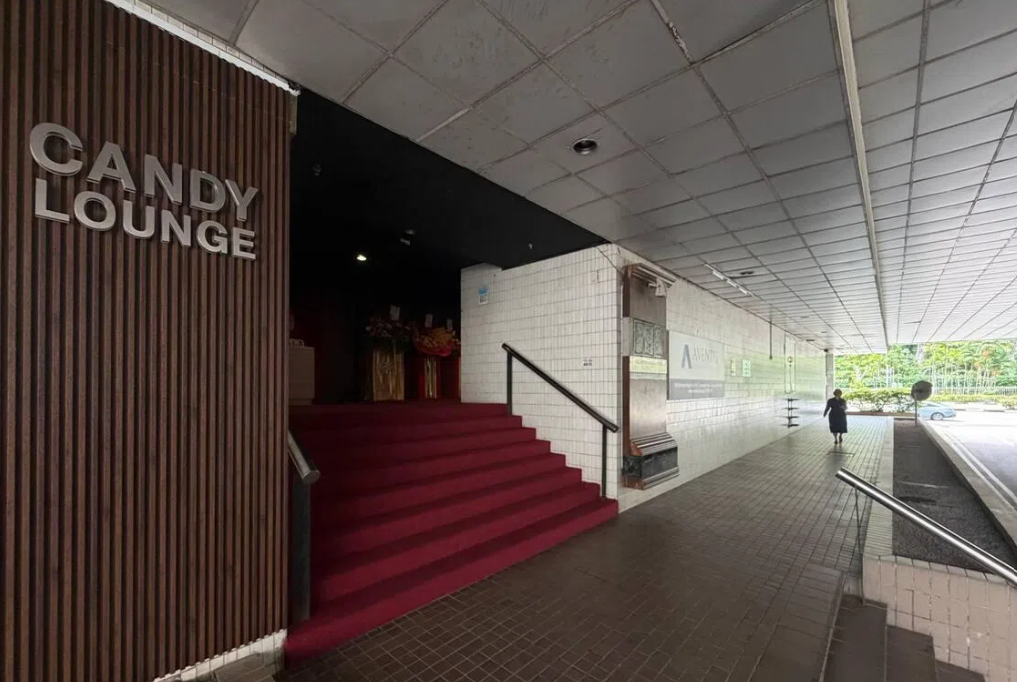
An early morning altercation outside a nightlife venue on Orchard Road has resulted in two arrests and multiple hospitalizations, underscoring a broader pattern of knife-related violence emerging across Singapore. The incident unfolded near the junction of Orchard Road and Buyong Road around 3am on Thursday, July 2, prompting emergency services to respond to distress calls. What began as a confrontation between two separate groups outside the Candy Lounge nightclub escalated into a physical clash that left several people injured and sparked a police investigation.
When officers arrived at the scene, they discovered four men, each aged 38, bearing visible injuries from the melee. Three of the injured men sustained lacerations consistent with the use of a sharp object, while the fourth sustained minor injuries. All four were transported to Tan Tock Seng Hospital in conscious condition, allowing medical staff to assess and treat their wounds. The injuries proved significant enough to warrant hospitalization, though none were reported as life-threatening. Emergency responders from the Singapore Civil Defence Force accompanied police to the scene following the initial distress call.
Investigations following the incident led authorities to identify and arrest two suspects—a 25-year-old and a 27-year-old man—both facing charges of voluntarily causing hurt by dangerous means, a serious criminal offense under Singapore law. The older suspect was subsequently admitted to Tan Tock Seng Hospital as a conscious patient, suggesting he also sustained injuries during the confrontation. A knife was recovered from the scene and seized as evidence, consistent with eyewitness accounts that described a stabbing incident during the brawl. Specifically, reports indicated that one individual sustained a stab wound to the neck, though the severity of this injury remains undisclosed.
According to accounts from the Chinese-language publication Lianhe Zaobao, the violence erupted when two distinct groups of patrons—likely rival associations or simply acquaintances with unresolved tensions—came into conflict outside the establishment. The nightclub, operating under the name Candy Lounge, maintains regular operating hours from 10pm until 3am on weekdays, with extended service until 4am on Saturdays and public holidays. The timing of this incident during the venue's final operational hour suggests the confrontation may have involved intoxicated individuals or stemmed from accumulated tensions throughout the evening.
By mid-morning, when journalists from The Straits Times visited the location approximately six hours after the incident, the area showed no visible signs of the earlier emergency response. Police and SCDF personnel had cleared the scene, and traffic flowed normally through the junction. Notably, nearby merchants operating businesses within Orchard Plaza, including a money changer and convenience store that opened at the standard 9am time, reported receiving no notification of the incident from security personnel or authorities. This disconnect between the severity of the event and the communication to adjacent businesses raises questions about emergency response protocols and information sharing with the broader commercial community.
The Orchard Road precinct, traditionally Singapore's premier shopping and entertainment district, has long attracted diverse crowds seeking dining and nightlife experiences. The concentration of licensed establishments in this area means incidents of this nature carry particular significance for both public safety and commercial reputation. The emergence of violence in this high-profile location reflects patterns observed more broadly across Singapore's urban landscape, where interpersonal conflicts increasingly involve weapons, particularly blades.
Concern about knife violence has intensified following official statistics revealing a marked upward trajectory. During the first half of 2025, authorities documented 75 knife-related incidents—a troubling 27 percent increase compared to the 59 incidents recorded during the corresponding period in 2024. This escalation suggests either a genuine rise in blade-related violence or heightened reporting and detection, or both factors operating concurrently. The spike represents a significant public safety concern for Singapore, a nation typically characterized by very low violent crime rates, making such increases subject to intense scrutiny and policy discussion.
The arrests and ongoing investigations demonstrate police responsiveness to serious violent crime. However, the broader context of rising weapon-related incidents raises questions about underlying causes—whether economic pressures, social fragmentation, gang activity, or other factors drive increased resort to weapons during interpersonal disputes. Policymakers and law enforcement agencies face mounting pressure to understand and address root causes rather than respond solely to individual incidents.
For Malaysian readers and Southeast Asian observers, the incident offers important perspective on the security landscape of a neighboring jurisdiction renowned for its low crime environment. That even Singapore faces emerging challenges with weapon-related violence suggests regional authorities must remain vigilant regarding similar trends. The Straits Times indicated it had reached out to the Candy Lounge establishment for further comment, though responses remained pending. Police investigations continue as authorities gather additional evidence and witness statements to build their case against the arrested suspects.

