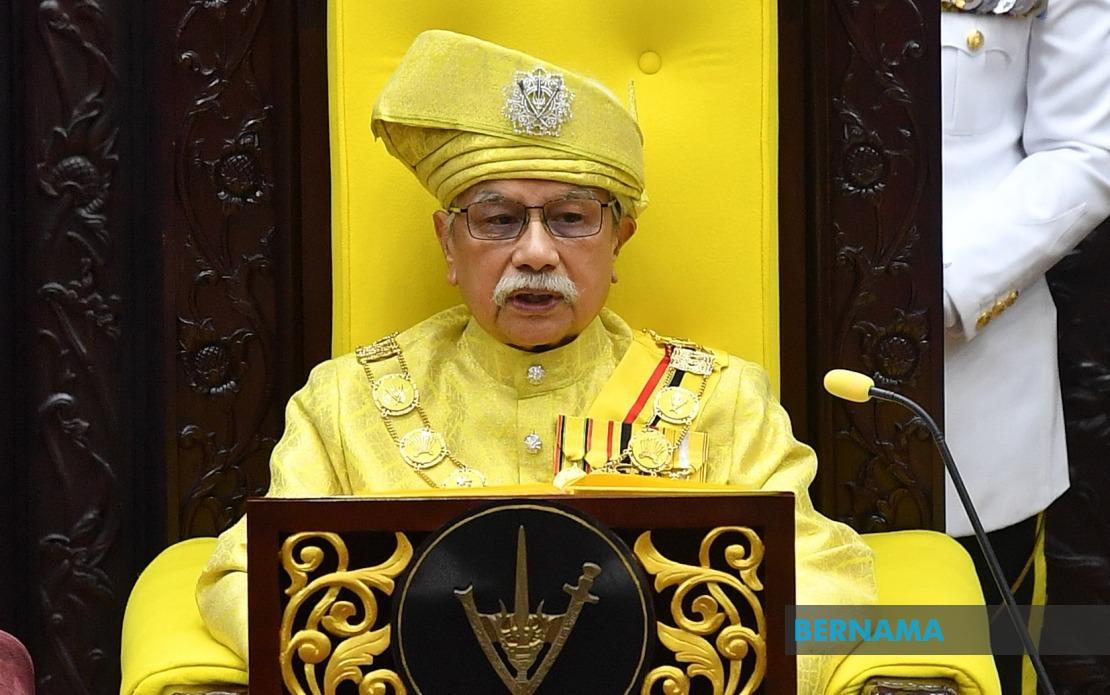
The Yang Dipertuan Besar of Negeri Sembilan, Tuanku Muhriz Tuanku Munawir, has given his royal consent to conduct a formal audience ceremony this Saturday at Istana Besar Seri Menanti to recognise the installation of the new Undang of Luak Rembau. The announcement came through Tunku Besar Seri Menanti, Tunku Ali Redhauddin Tuanku Muhriz, during his meeting with the Datuk-Datuk Adat of Rembau at the royal palace in Kuala Pilah, formally conveying the sovereign's approval of the ceremonial proceedings.
Hassan Ab Hamid, aged 67, has been selected to assume the position of the 22nd Undang of Rembau following the death of his predecessor, Datuk Lela Maharaja Datuk Muhamad Sharip Othman, who passed away on 15 May 2024 at the age of 83. The selection process for the new Undang adhered strictly to the customary practices and traditional governance structures embedded within the Rembau luak community. According to Datuk Juan Datuk Zulkipli Shamsudin, chairman of the Kerapatan Buapak Delapan ceremony for the Biduanda Nan Dua Carak customary clan, Hassan's appointment represents the culmination of a process governed entirely by established adat procedures rather than administrative decree.
Tunku Ali Redhauddin conveyed his father's wishes to the gathering, emphasizing that the forthcoming Istiadat Menghadap Menjunjung Duli Bagi Menyempurnakan Kejadian Undang Luak Rembau—the formal ceremony to complete and validate the Undang's elevation—would proceed as planned. He directed the adat leaders to coordinate with the Orang Empat Istana regarding all ceremonial arrangements and logistical matters, ensuring that both the spiritual and administrative dimensions of the installation receive appropriate attention. The Tunku Besar expressed confidence that all preparations would be executed smoothly and in accordance with the dignity befitting such an important customary occasion.
The distinction between the Yang Dipertuan Besar's role and the adat community's authority merits clarification for those unfamiliar with Negeri Sembilan's unique constitutional framework. Under the Adat Perpatih system, which governs customary law and leadership succession in the state, the sovereign does not appoint or select the Undang through personal discretion or administrative authority. Rather, the Yang Dipertuan Besar serves a ceremonial and validating function, receiving representatives of the luak when they present the community's chosen leader and granting formal recognition and consent to decisions that have already been reached through generations-old customary procedures. This represents a fundamental departure from the appointment systems prevalent in other Malaysian states.
Zulkipli deliberately stressed this constitutional reality, noting that misunderstandings frequently arise regarding the precise mechanics of Undang selection. He stated clearly that the role of His Royal Highness is to acknowledge and lend sovereign sanction to the adat community's determination, not to exercise independent selection rights. Under the Adat Perpatih framework that has governed Negeri Sembilan for centuries, the luak itself possesses the authority and responsibility to identify and validate its own leadership through customary procedures. Any suggestion that the Yang Dipertuan Besar independently chooses or appoints the Undang reflects fundamental miscomprehension of how these traditions function in practice.
The Adat Perpatih system represents one of Malaysia's most distinctive constitutional arrangements, granting considerable autonomy to customary leaders and luak communities in matters of internal governance and succession. Unlike systems elsewhere in the federation where sultans exercise more direct authority over the selection of traditional leaders, Negeri Sembilan's approach reflects historical settlement patterns and clan-based governance that predate the colonial period. The state's four luaks—Rembau, Jelebu, Johol, and Tampin—each maintain their own hierarchies and selection procedures, with the Yang Dipertuan Besar functioning as a constitutional overseer rather than an active administrator of these customary systems.
The selection of Hassan Ab Hamid follows customary processes that have been refined over generations within the Rembau community. The Kerapatan Buapak Delapan ceremony, which involved deliberation among the customary leadership structures, represents the formal mechanism through which the community vets and approves its new Undang. This process emphasizes consensus-building among the adat leaders rather than unilateral decision-making, reflecting the collective nature of governance within the luak system. The completion of these customary procedures preceded the request for royal audience, underscoring the sequence whereby community determination precedes sovereign recognition rather than the reverse.
The timing of the Saturday ceremony holds particular significance for Rembau's administrative continuity. The death of the previous Undang in May 2024 left the luak without formal leadership for an extended period, potentially affecting the resolution of customary disputes and the conduct of adat-related administrative functions that fall under the Undang's purview. The completion of the installation process through the Saturday audience will therefore restore full ceremonial and customary authority to the position, allowing Hassan to exercise his responsibilities across the luak's affairs. This formal recognition marks the end of an interregnum period and the resumption of uninterrupted customary governance in Rembau.
The public clarification issued regarding the nature of the selection process reflects broader efforts to educate Malaysians about the constitutional and customary foundations of Negeri Sembilan's unique governance model. Confusion about how traditional leadership operates in the state may arise partly from limited public familiarity with the Adat Perpatih system compared to the sultanate systems in other states. Educational initiatives that illuminate these distinctions contribute to better understanding of Malaysia's constitutional complexity and the diverse mechanisms through which traditional authority functions across the federation. The formal articulation of these principles during the Rembau succession thus serves a pedagogical purpose extending beyond the immediate ceremonial occasion.
The Saturday ceremony will represent not merely a ceremonial formality but rather the culminating moment of a carefully structured process that honours both customary tradition and constitutional monarchy. Hassan Ab Hamid's path to the position of 22nd Undang of Rembau demonstrates how these ancient systems of governance continue to operate within Malaysia's modern constitutional framework, maintaining their internal logic and procedures while remaining integrated within the state's formal governmental structures. The Yang Dipertuan Besar's participation lends the weight of sovereignty to the process without diminishing the adat community's role as the ultimate arbiter of its own leadership.

