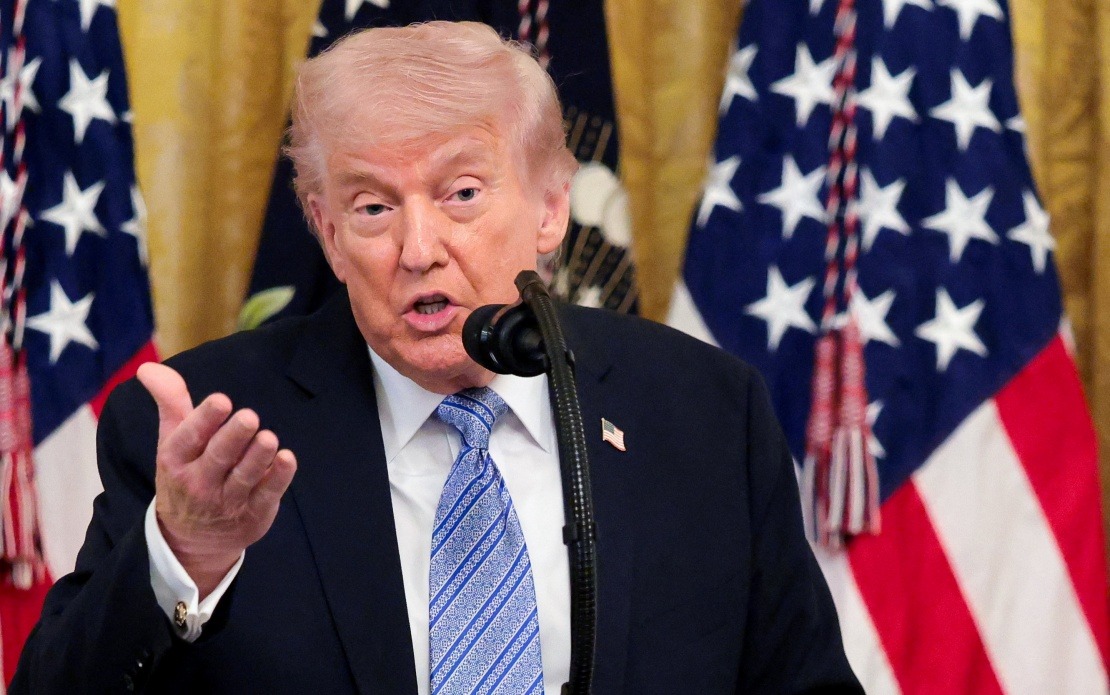
In a striking move that blends international sports governance with diplomatic affairs, US President Donald Trump has expressed support for FIFA President Gianni Infantino to assume the role of UN secretary-general, according to the New York Post. The reported endorsement underscores Trump's unconventional approach to multilateral institutions and his search for leadership figures who can bridge diplomatic divides on the global stage. Sources close to the American president indicate that Trump views the 56-year-old Swiss-born sports administrator as possessing rare diplomatic credentials that could reinvigorate the faltering international organisation.
According to Trump's assessment, Infantino commands widespread respect across continents and possesses a distinctive talent for fostering consensus among diverse stakeholders. This characterisation reflects Trump's longstanding preference for executives and figures drawn from outside traditional diplomatic circles, individuals he believes can bring fresh perspectives to entrenched institutional problems. The timing of this support gains significance when considering the broader context of Trump's relationship with international organisations, which has been marked by scepticism and structural criticism rather than constructive engagement.
The potential appointment would mark a dramatic departure from conventional UN leadership patterns. A new secretary-general would take office on January 1, 2027, serving a five-year mandate under the existing charter framework. The position has traditionally been filled by career diplomats and international civil servants rather than figures whose primary experience spans corporate sports management. Such a shift would represent a fundamental recalibration of what qualifications and experience the international community deems necessary for leading the UN.
Infantino's pathway to Trump's favour developed significantly during this year's FIFA World Cup tournament, where the football administrator cultivated a conspicuous relationship with the American president. This courtship included a particularly symbolic gesture in December when Infantino presented Trump with FIFA's inaugural Peace Prize, cementing their growing alignment. The award itself carried diplomatic weight, suggesting recognition of Trump's conflict resolution efforts, though interpretations of his peace initiatives remain contested internationally.
Navigating the appointment process would present substantial institutional hurdles for Infantino's candidacy. Under Article 97 of the UN Charter, the secretary-general appointment flows through a dual approval mechanism that prioritises the Security Council's recommendation before General Assembly ratification. The Security Council's 15 members hold considerable power, with the five permanent members—China, France, Russia, the United Kingdom, and the United States—each possessing absolute veto authority. Any single permanent member could unilaterally derail Infantino's nomination regardless of broader international support, making geopolitical alignment essential.
The broader context of Trump's critical stance towards the UN adds complexity to this proposal. The American president has persistently attacked what he characterises as the organisation's ineffectiveness in addressing major global conflicts and humanitarian crises. Rather than attempting comprehensive UN reform from within, Trump established a separate US-led Board of Peace last year, an initiative that generated speculation about American interest in constructing alternative multilateral frameworks. Though Trump publicly denied reports that this represented an attempt to circumvent UN structures, the parallel institution suggested deeper frustrations with existing mechanisms.
Trump's financial approach to the UN has reinforced impressions of institutional withdrawal. Since returning to office, his administration has substantially curtailed American funding contributions to the world body while simultaneously withdrawing US participation from multiple UN-affiliated agencies. The withdrawal from the World Health Organization exemplifies this strategy of selective disengagement from multilateral health and humanitarian coordination mechanisms. These actions suggest that proposing an unconventional outsider for the secretary-general position may align with a broader Trump philosophy of disrupting established institutional patterns.
For Malaysia and other Southeast Asian nations, such a potential shift carries significant implications. The region has traditionally benefited from predictable, institutionally-anchored UN leadership that prioritises consensus-building and respect for the Charter's principles. An Infantino appointment would introduce substantial unpredictability regarding the UN's approach to regional security, humanitarian coordination, and development partnership frameworks that many ASEAN members depend upon. The sports administrator's lack of diplomatic experience in Asia-Pacific affairs represents a notable gap for a position affecting regional stability and development agendas.
Infantino's extensive experience orchestrating complex global negotiations within FIFA governance structures could theoretically translate to UN-level diplomacy. His stewardship of the organisation through controversies related to tournament hosting, player welfare, and financial transparency demonstrates crisis management capabilities. However, managing football's international federation differs fundamentally from mediating between nuclear-armed permanent Security Council members or coordinating humanitarian responses to global crises. The skill sets, while superficially comparable, diverge significantly in scope and consequences.

