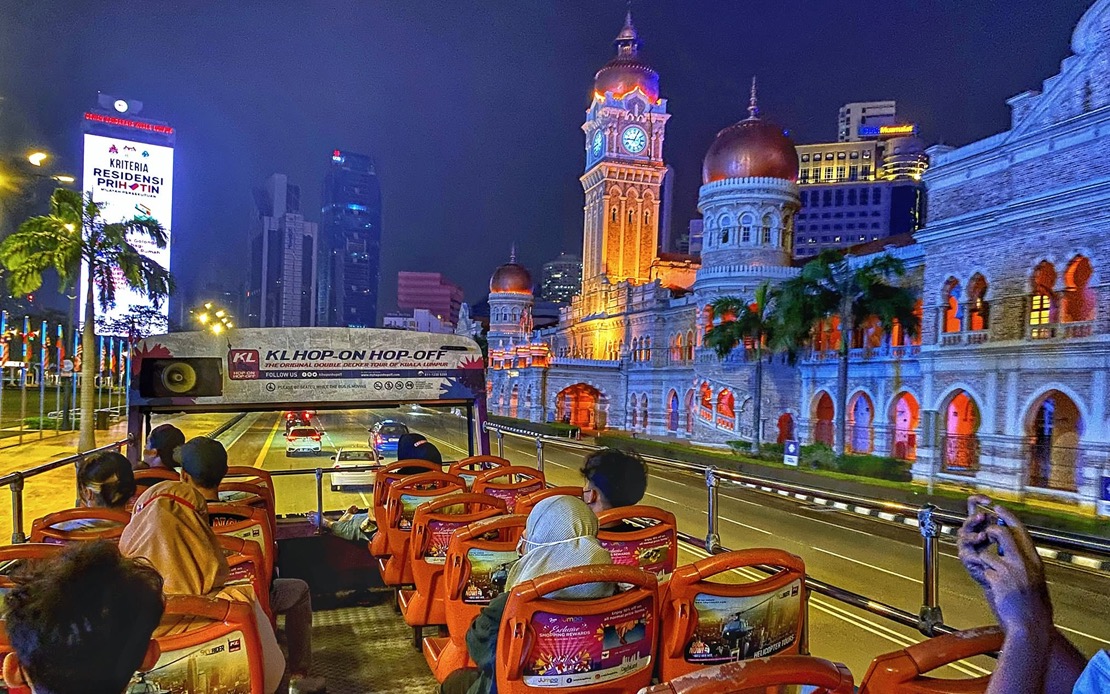
The Ministry of Tourism, Arts and Culture has thrown its weight behind a fresh effort to energise domestic travel, unveiling a collaborative campaign with KL Hop-On Hop-Off operator Elang Wah Sdn Bhd that leverages iconic sightseeing buses as mobile billboards for Malaysia's tourism appeal. Unveiled in Kuala Lumpur on June 24, the initiative marks a strategic push to strengthen local travel momentum as the nation prepares for Visit Malaysia 2026, a signature year-long promotional campaign designed to attract international visitors and reinvigorate the tourism sector.
Minister of Tourism, Arts and Culture Datuk Seri Tiong King Sing emphasised that domestic tourism forms the backbone of Malaysia's broader tourism economy, generating substantial revenues that ripple through communities and create employment across hospitality, transportation, and allied sectors. By encouraging Malaysians to explore their own nation's destinations, the government aims to deepen appreciation for local attractions whilst simultaneously building the infrastructure and experience quality that will impress international travellers when VM2026 commences. The partnership with KL Hop-On Hop-Off represents a pragmatic approach—utilising an established and visible transport network to amplify messaging about tourism opportunities that might otherwise escape public attention.
The campaign's mechanics centre on six specially branded buses that will circulate through urban centres, each adorned with eye-catching wraps depicting major tourism destinations spanning 15 states and federal territories. The selection encompasses diverse attractions reflecting Malaysia's geographic and cultural breadth—from the Sri Sendayan Mosque in Negeri Sembilan showcasing Islamic heritage to the Pinnacles of Mulu in Sarawak representing the nation's remarkable natural landscapes. This geographic diversity is deliberate, aiming to nudge Malaysians beyond their immediate localities and suggesting that world-class attractions exist throughout the country, not merely in established tourist hotspots.
What distinguishes this campaign from traditional static advertising is its integration of interactive QR codes embedded within the bus wraps. Passengers and pedestrians scanning these codes gain immediate access to Visit Malaysia 2026 travel deals, promotional packages, and the official Calendar of Events—removing friction between awareness and purchase. State tourism promotional websites are also linked through these digital gateways, creating a layered digital ecosystem that guides interest downward to regional operators and local businesses. This technology-enabled approach recognises that modern travellers research and book through mobile devices, and meeting them at the point of inspiration becomes crucial.
The timing of this launch aligns with tangible momentum in Malaysia's domestic tourism sector. Preliminary data for 2025 reveals a robust 21.3 per cent year-on-year increase in domestic visitor numbers, with 290.1 million Malaysians engaging in domestic travel compared to 260.1 million in 2024. More significantly, the economic value generated by these travellers surged 13.3 per cent to RM121.0 billion in 2025, up from RM106.7 billion in 2024. These figures suggest that Malaysians are not merely travelling more frequently but spending more per trip, reflecting either increased trip duration, higher-value accommodation and dining choices, or enhanced spending on activities and entertainment.
The growth trajectory carries implications for regional Southeast Asian tourism dynamics. As Malaysian domestic travel expands, it stabilises the tourism economy during periods when international visitor flows may fluctuate due to global economic conditions or geopolitical volatility. This diversification reduces vulnerability to external shocks—a lesson underscored by pandemic-era disruptions. Moreover, a thriving domestic market attracts international hospitality and tourism operators to invest in Malaysian infrastructure, knowing that local demand provides baseline occupancy rates even when overseas visitor numbers dip.
For the tourism industry itself, the campaign signals government commitment to quality and scale. By embedding QR codes and directing traffic to official promotional channels and calendars of events, authorities effectively curate the visitor experience and encourage compliance with safety and sustainability standards. Small and medium-sized tourism operators benefit from being featured within this coordinated ecosystem, gaining visibility they might struggle to achieve through individual marketing efforts. The structured approach also allows data collection on which destinations and experiences attract the greatest interest, informing future policy and investment decisions.
The KL Hop-On Hop-Off partnership also embeds tourism promotion within the everyday urban experience. Residents of Kuala Lumpur and visitors passing through the capital will encounter these branded buses during their normal commutes and sightseeing activities, creating repeated exposure to alternative travel destinations. This passive marketing—where tourism messaging reaches audiences without requiring active effort to seek it—often proves more effective than traditional advertising channels, as it builds familiarity and curiosity through ambient association rather than interruption.
Looking toward Visit Malaysia 2026, this domestic campaign serves multiple strategic purposes beyond immediate visitor generation. It builds a culture of travel awareness among Malaysians, cultivating the mindset that exploring one's own country represents a legitimate and rewarding use of leisure time and disposable income. International visitors arriving during VM2026 will encounter a nation whose citizens are already familiar with and enthusiastic about local attractions, creating an authenticity and energy that guidebooks cannot manufacture. Additionally, high domestic visitation rates reduce pressure on individual attractions during peak periods, distributing visitor flows more evenly and enabling better management of both preservation and experience quality.
The campaign also positions Malaysia favourably within regional tourism competition. Other Southeast Asian nations are similarly investing in domestic tourism promotion, recognising both the economic opportunity and the broader economic stabilisation benefits. By acting now—more than a year before VM2026 officially launches—Malaysia demonstrates forward planning and institutional coordination between government and private operators. This collaborative model, combining regulatory backing with private sector operational expertise, increasingly characterises best-practice tourism management across the region.
Economic multiplier effects extend beyond immediate tourism spending. Domestic visitors inject capital into regional economies, supporting restaurants, hotels, retail establishments, and entertainment venues. As these businesses expand to meet growing demand, they hire additional staff, creating employment that reduces unemployment and underemployment, particularly in regions outside major metropolitan areas. Transportation operators like Elang Wah Sdn Bhd benefit directly from increased ridership, whilst indirect beneficiaries include fuel suppliers, maintenance contractors, and hospitality workers.
The integration of Visit Malaysia 2026 branding throughout the campaign ensures that domestic tourism promotion seamlessly transitions into international marketing. Malaysians encountering information about VM2026 whilst engaging in domestic travel become informal ambassadors—sharing experiences with overseas contacts, posting on social media, and generating organic word-of-mouth recommendations. This grassroots endorsement often carries greater credibility than paid international advertising, making the domestic campaign a subtle but effective foundation for the international push.
Moving forward, the success of this KL Hop-On Hop-Off initiative will likely inform subsequent phases of VM2026 promotion. Should metrics demonstrate strong engagement with the QR codes and subsequent bookings traceable to the campaign, authorities may expand the model to other cities and transport networks. The bus wraps themselves represent low-cost, high-visibility advertising that occupies public space without the regulatory challenges of traditional billboards, making them a replicable and scalable promotional tool. As Malaysia enters the final countdown to Visit Malaysia 2026, initiatives like this demonstrate that building tourism appeal is fundamentally about connecting citizens and visitors with the genuine attractions and experiences that make the nation distinctive.

