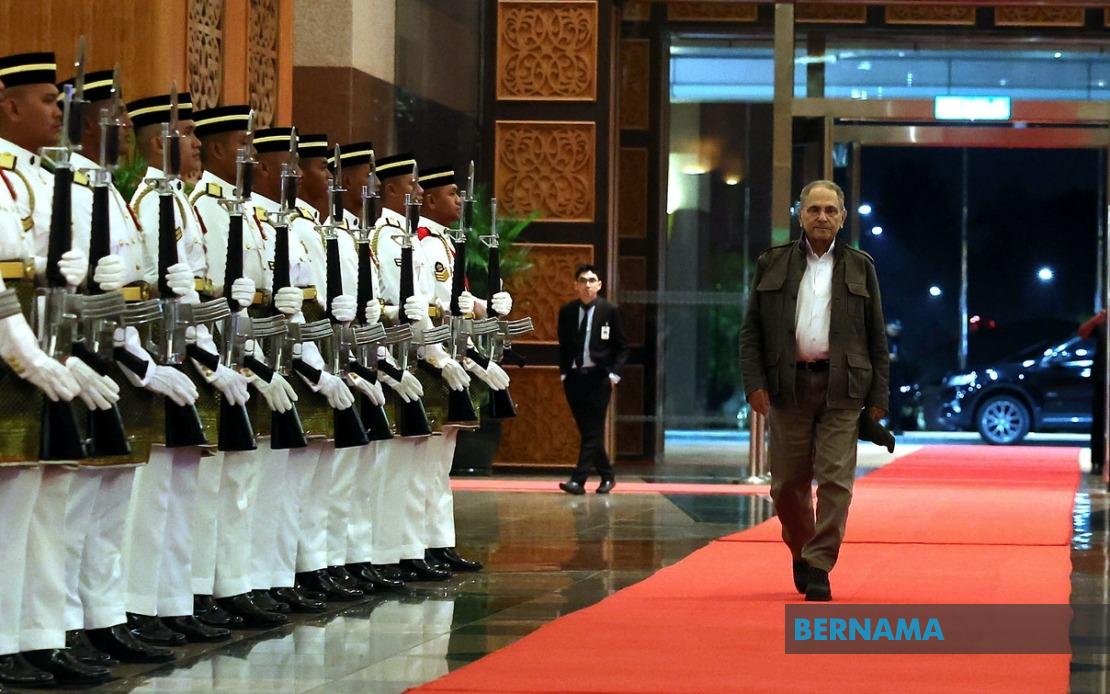
Timor-Leste President Jose Ramos-Horta departed Malaysia in the early hours of June 17, bringing to a close a five-day special mission that underscored the growing strategic importance of ties between Kuala Lumpur and Dili. The Nobel Peace Prize laureate boarded a Batik Air flight at Kuala Lumpur International Airport Terminal 1 at 2.15 am, concluding a visit centred on strengthening bilateral cooperation and positioning Timor-Leste as a promising economic destination for Malaysian capital and expertise.
The departure ceremony itself reflected the diplomatic weight accorded to the visit. A Guard of Honour comprising two officers and 26 personnel from the First Battalion Royal Ranger Regiment received the President at the Bunga Raya Complex, a ceremonial touch that signals Malaysia's commitment to fostering relations with Southeast Asia's youngest independent nation. Such formalities, whilst routine in protocol terms, carry symbolic value in regional diplomacy, particularly as Timor-Leste navigates its early years as a full ASEAN member.
A centrepiece of the President's itinerary was his June 15 participation in a dialogue session entitled "A Changing World, Enduring Values", where Ramos-Horta offered an unusually candid assessment of Malaysia-Timor-Leste relations. His characterisation of bilateral ties as "exceptionally good" carries weight coming from a statesman of his stature and experience. The President went further in praising Malaysia's track record across three critical domains: security management, democratic governance, and economic advancement. For Malaysian policymakers, such external validation from a respected regional peer reinforces the country's positioning within ASEAN and justifies the diplomatic investments made in bilateral relationships.
Ramos-Horta's remarks on Malaysia's historical role in supporting Timor-Leste proved equally significant. He highlighted Malaysia's steadfast backing before and after Timor-Leste's independence in 2002, acknowledging specifically Malaysia's contributions to peacekeeping operations during the turbulent 1999 transition. This recollection carries real political weight; it anchors contemporary cooperation in a foundation of tangible support during Timor-Leste's most vulnerable period. For Malaysian readers, it underscores how strategic patience and consistent diplomatic engagement can yield long-term regional influence and goodwill.
The President extended particular gratitude for Malaysia's pivotal role in championing Timor-Leste's accession to ASEAN, a process that culminated in Timor-Leste becoming the bloc's 11th member on October 26, 2025. Malaysia's support proved crucial during its ASEAN chairmanship, a period when consensus-building around the membership application required careful diplomacy. Ramos-Horta's explicit acknowledgement of this backing demonstrates how Malaysia's regional leadership translates into concrete diplomatic outcomes and strengthens its hand in future ASEAN negotiations.
Looking forward, the President expressed confidence that Timor-Leste would successfully host the ASEAN Summit in 2029, contingent upon expediting infrastructure and facility development. This aspiration carries implications for Malaysian investors and policymakers alike. For investors, it signals a window of opportunity to participate in major development projects before 2029. For Malaysia's government, it suggests a potential role in supporting infrastructure financing or technical cooperation, further deepening the bilateral relationship and extending Malaysian influence across key regional initiatives.
A substantive element of the visit centred on economic cooperation. Ramos-Horta directly appealed to Malaysian investors to explore opportunities within Timor-Leste's infrastructure sector, making a compelling case based on macroeconomic fundamentals. The President highlighted his country's comparatively low debt burden and a robust sovereign wealth fund, both attractive factors for investors seeking stable, low-risk environments. He also emphasised the backing of multilateral financing institutions, suggesting that international financial architecture supports Timor-Leste's development agenda. These points represent a sophisticated pitch designed to overcome perceptions of risk that smaller or less-developed economies often face when seeking foreign investment.
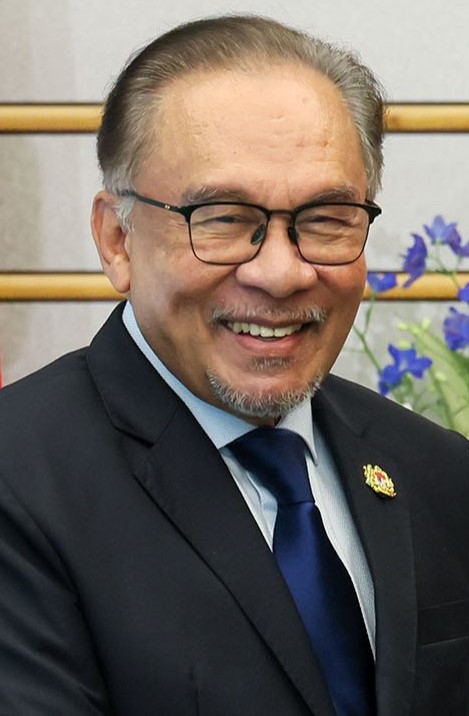
Prime Minister Datuk Seri Anwar Ibrahim's hosting of an official luncheon at the Seri Perdana Complex underscored the visit's high-level nature. The bilateral discussions ranged across multiple economic and social dimensions: trade expansion, investment facilitation, human capital development, education cooperation, and technical training. This broad agenda reflects an understanding that contemporary bilateral relations transcend simple commercial transactions. By encompassing workforce development and educational exchange, both governments signal a commitment to building enduring institutional and human connections that will sustain cooperation across political cycles.
Yet the trade statistics paint a revealing picture of current commercial realities. Bilateral trade reached USD18.72 million in 2024, with Malaysian exports comprising USD18.37 million whilst Timor-Leste's imports to Malaysia stood at merely USD0.35 million. The overwhelmingly one-directional nature of this trade flow—with Malaysia exporting roughly 52 times more than it imports—indicates significant untapped potential. For Malaysian businesses, this asymmetry suggests substantial opportunities to expand market share and deepen commercial ties. For Timor-Leste, it underscores the challenge of developing export-oriented industries capable of competing regionally, a goal that infrastructure investment and Malaysian technical cooperation might address.
The visit's timing merits consideration within broader Southeast Asian dynamics. As Timor-Leste consolidates its ASEAN membership and prepares to assume significant hosting responsibilities, Malaysia's demonstrated commitment to partnership provides both nations with advantages. For Malaysia, cultivating close ties with a strategically positioned new member enhances its influence within the bloc. For Timor-Leste, securing engagement with an established regional power provides practical support for its institutional development and economic ambitions. This mutuality of benefit characterises the visit's essence and explains its diplomatic significance beyond the immediate headlines.
Moving forward, the substantive outcomes from this visit will likely materialise in subsequent months through concrete investment projects, educational partnerships, and coordinated initiatives within ASEAN frameworks. Malaysian investors will presumably increase their presence in Timor-Leste's emerging markets, whilst technical cooperation in infrastructure development may yield visible results. The five-day mission thus represents not merely a ceremonial exchange but potentially the opening chapter of deepened engagement with consequences for economic development, regional stability, and Malaysia's position as a trusted partner in Southeast Asia's evolving geography.