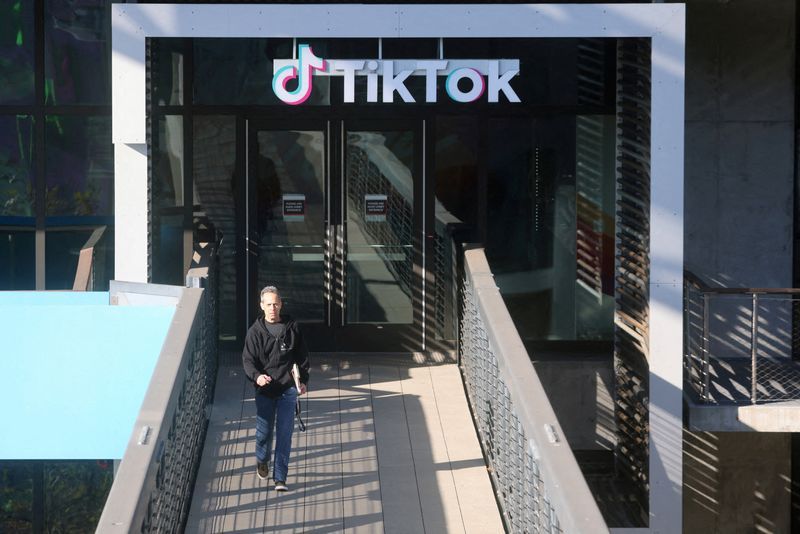
ByteDance's TikTok has agreed to settle a lawsuit brought by a Florida teenager who alleged the short-form video platform contributed to depression, anxiety and sleep deprivation, according to Morgan & Morgan, the law firm representing the plaintiff. The agreement marks another significant development in what has become a sprawling legal offensive against major social media companies across the United States, though the settlement terms remain undisclosed pending finalisation of remaining details.
The 15-year-old plaintiff, identified in court documents only by his initials R.K.C., initiated his legal action claiming that TikTok's design features were deliberately engineered to encourage excessive engagement among young users. According to court filings, the teenager began using social media platforms at approximately eight years old and gradually experienced deteriorating mental health, attributing his struggle with addiction partly to the addictive mechanisms embedded within these applications.
When R.K.C. originally filed his complaint, he named four defendants: Google's YouTube, Meta's Instagram, Snap Inc.'s Snapchat, and ByteDance's TikTok. However, the litigation landscape has shifted considerably as the case has progressed. YouTube reached a settlement agreement in June, while TikTok has now followed suit. Meta and Snapchat have chosen to proceed to trial, with proceedings scheduled to commence on July 27, positioning them to face a jury on allegations of negligence and misconduct.
The TikTok settlement represents merely one battle within an unprecedented legal war against social media platforms. California state courts currently oversee more than 3,300 pending lawsuits alleging addiction-related harms, while an additional 2,600 cases brought by individuals, educational institutions, municipalities, and state governments are progressing through California federal courts. Nearly every state across the nation has independently filed separate lawsuits within their own jurisdictions, each seeking to hold the technology companies accountable for what plaintiffs characterise as deceptive safety representations and deliberately addictive platform architecture.
The social media industry has mounted a unified defence against these accusations, consistently denying that their platforms are designed to be addictive and asserting that they implement comprehensive safeguarding measures to protect younger users. Despite these claims, recent judicial outcomes suggest juries and judges may be increasingly receptive to plaintiffs' arguments regarding the platforms' responsibility for youth mental health deterioration.
The first state-level trial concluded in March with mixed results for the defendants. A woman who had become addicted to social media during her youth sued multiple platforms, claiming their engagement-maximising features targeted vulnerable young people. TikTok and Snap chose to settle before trial commenced, but Meta and Google proceeded to verdict. The jury found both companies negligent and awarded damages totalling $6 million, with Meta ordered to pay $4.2 million and Google $1.8 million. When Meta and Google subsequently petitioned the judge to overturn this verdict in June, the court rejected their motion, allowing the damages to stand.
Federal litigation has similarly turned against the companies. A Kentucky school district initiated proceedings against Meta, Snap, TikTok, and YouTube, alleging reputational harm and resource depletion caused by student addiction to social media. Rather than face trial, all four companies settled the case for a combined $27 million payment to the district, suggesting industry recognition of legal vulnerability in the face of coordinated plaintiff action.
For Malaysian observers, these developments carry particular significance as Southeast Asia grapples with comparable youth mental health concerns. The region has witnessed explosive growth in social media adoption among children and teenagers, with TikTok proving especially popular among younger demographics. Malaysian policymakers and child welfare advocates have begun monitoring these American legal precedents closely, recognising that successful litigation in California and Kentucky might embolden similar action in jurisdictions across the Asia-Pacific region.
The settlement cascade also reflects broader shifts in corporate accountability standards. Technology companies have historically enjoyed considerable latitude in designing engagement-maximising features without explicit acknowledgment of psychological consequences. These lawsuits represent a pivotal moment where courts are beginning to assign financial responsibility for mental health harms allegedly resulting from platform design, potentially forcing algorithmic modifications and greater transparency regarding youth-targeted content curation.
Meanwhile, Meta and Snapchat remain steadfast in their decision to contest these allegations through litigation rather than settlement. Their July 27 trial will likely produce another significant precedent, determining whether juries in California believe the evidence supporting addiction claims sufficiently outweighs corporate defences regarding content moderation efforts and parental control features. Regardless of that outcome, the pattern of settlements by TikTok and YouTube suggests that even technology corporations with substantial legal resources may ultimately calculate that protracted litigation carries greater financial and reputational risks than negotiated resolution.
The broader implications extend beyond individual platform accountability to fundamental questions about algorithmic design regulation in democratic societies. As more jurisdictions pursue litigation against social media companies, the cumulative legal and financial pressure appears likely to accelerate ongoing congressional and regulatory efforts to establish statutory guardrails around youth-targeted digital products. For Malaysia and its Southeast Asian neighbours, monitoring these legal developments provides crucial intelligence for crafting indigenous regulatory frameworks before similar litigation waves reshape the regional digital economy.

