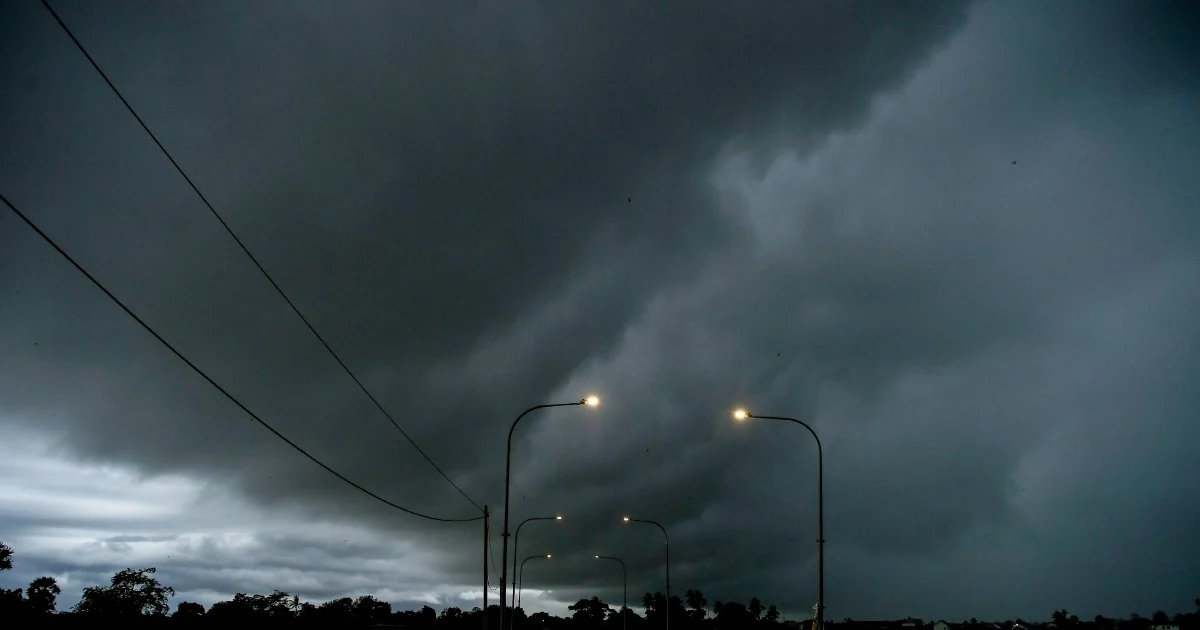
Severe weather is bearing down on multiple regions across Malaysia, with the Malaysian Meteorological Department issuing an alert for thunderstorms accompanied by heavy rain and strong wind gusts affecting scattered areas throughout Peninsular Malaysia, Sabah, and Sarawak. The warning remains active until 5pm today, prompting residents and commuters in affected zones to take precautionary measures.
The simultaneous impact across such geographically dispersed regions underscores the scale of the weather system at play. Rather than isolated showers confined to one locality, this disturbance encompasses the entire Malaysian peninsula as well as both East Malaysian states, indicating a broad atmospheric pattern generating instability across the nation. Such widespread alerts typically emerge from significant weather disturbances capable of affecting transportation, outdoor activities, and daily routines for millions of people.
Thunderstorm formations of this magnitude warrant serious consideration from the public. Beyond the discomfort of heavy downpours, these weather events bring genuine hazards including lightning strikes, flash flooding in low-lying areas, and treacherous road conditions that compromise vehicle control. Strong wind gusts can dislodge weakened structures, topple trees, and create projectile debris that poses risks to pedestrians and motorists alike. Agricultural areas face potential crop damage, while coastal zones may experience rough seas and hazardous swimming conditions.
MetMalaysia's decision to demarcate the warning period until 5pm provides a specific temporal framework for preparedness planning. Residents should understand that this timestamp represents the anticipated duration of the alert, though conditions may stabilise earlier or persist longer depending on atmospheric developments. The agency's real-time monitoring allows meteorologists to adjust forecasts as weather patterns evolve throughout the afternoon.
For Malaysian and regional readers, such weather announcements carry particular significance given Southeast Asia's tropical climate patterns. During monsoon seasons and inter-monsoon periods, thunderstorm clusters frequently develop over the region, occasionally triggering flash floods that overwhelm drainage systems unprepared for intensive rainfall within compressed timeframes. Malaysia's rapid urbanisation has expanded impervious surface areas, reducing natural water absorption and amplifying flooding risks in developed zones.
Commuters planning their afternoon schedules should exercise heightened caution. Public transportation may experience delays due to reduced visibility and slippery conditions, while those driving should reduce speeds and maintain greater following distances from other vehicles. Pedestrians waiting for public transport face exposure to lightning risk and waterlogged areas that obscure pavement hazards. Employers in affected regions might consider flexible arrangements, allowing staff to delay departure until conditions improve.
Outdoor activities scheduled for this afternoon warrant postponement or relocation indoors. Recreational areas, construction sites, and agricultural operations all face disruptions when thunderstorms arrive. Golf courses, water sports facilities, and outdoor markets typically suspend operations during such warnings to safeguard visitors and workers. Sporting events and outdoor gatherings may be cancelled or rescheduled pending confirmation that conditions have sufficiently improved.
The breadth of the warning across Peninsular Malaysia, Sabah, and Sarawak suggests that different regions may experience varying intensity levels. Coastal and elevated areas often experience stronger wind phenomena, while urban zones with extensive concrete surfaces tend to generate more severe water accumulation. Rural districts with adequate drainage infrastructure may handle rainfall more effectively than congested cities where drainage systems operate at capacity during monsoon transitions.
MetMalaysia's forecasting capabilities have substantially improved over recent decades through enhanced satellite technology, radar coverage, and computational meteorology. These warnings represent the culmination of continuous atmospheric monitoring, allowing the agency to alert the public with reasonable advance notice. However, weather prediction remains probabilistic rather than deterministic—even sophisticated forecasting cannot pinpoint exact locations or intensities with perfect accuracy.
Residents in vulnerable areas should ensure emergency supplies remain accessible, including flashlights, first-aid kits, and contact numbers for relevant authorities. Households with elderly members or young children should arrange support systems that allow safer shelter during severe conditions. Drivers should check vehicle maintenance, ensuring wiper blades, tread depth, and braking systems function optimally for challenging driving circumstances.
The convergence of thunderstorm warnings across such expansive territory reflects the dynamic nature of tropical meteorology, where atmospheric instability can develop rapidly and affect vast areas simultaneously. Staying informed through MetMalaysia's updates and heeding warning directives remains essential for personal safety and community resilience during these weather events.

