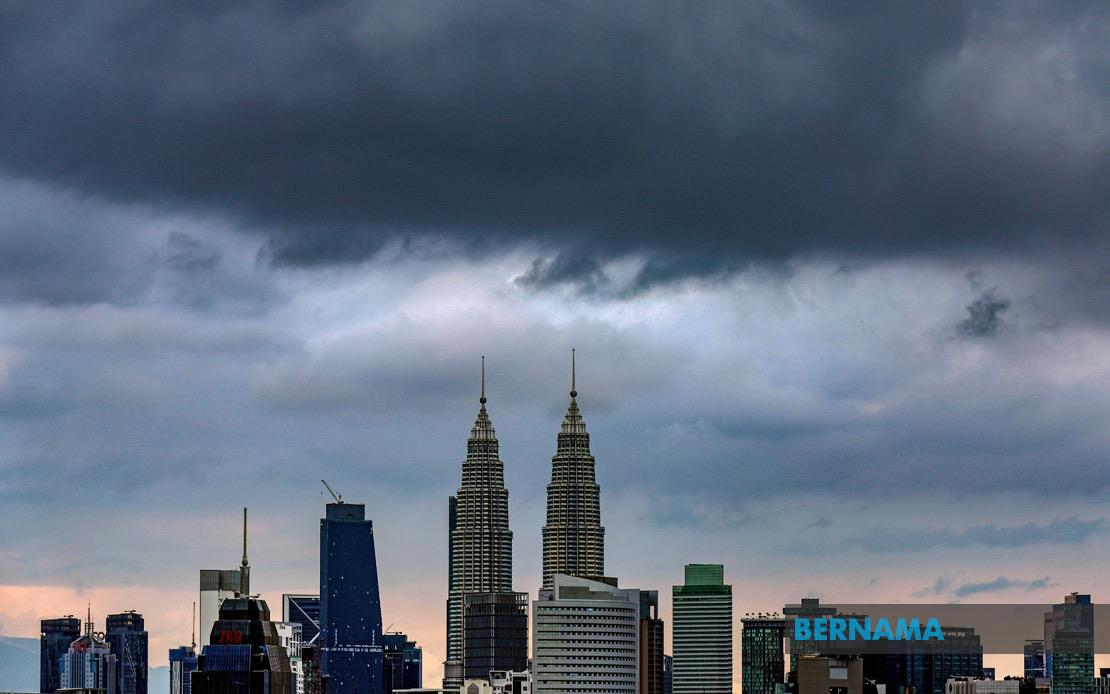
The Malaysian Meteorological Department has issued a weather alert affecting Kuala Lumpur, Putrajaya and 11 states across the country, warning residents to brace for thunderstorms, heavy rainfall and gusty winds persisting until 7 pm today. The advisory covers a geographically dispersed area spanning from the northern peninsula through to East Malaysia, indicating a significant weather system moving across the region.
In the northern corridor, Perlis faces the threat alongside specific districts in Kedah, including the tourist destination of Langkawi alongside Kubang Pasu, Kota Setar, Pokok Sena, Padang Terap, Yan, Baling, Kulim and Bandar Baharu. The neighbouring state of Penang is similarly affected, with Seberang Perai Selatan positioned within the warning zone. These northern states typically experience more volatile weather patterns during certain seasons, making such alerts increasingly common during transitional periods.
The warning extends into the central belt of Peninsular Malaysia, with Perak's Kerian district flagged for severe conditions. Pahang residents in Raub, Bentong, Bera and Rompin should prepare accordingly, while Selangor—the nation's economic heartland—faces potential disruptions across six districts: Klang, Gombak, Petaling, Kuala Langat, Hulu Langat and Sepang. Given Selangor's high population density and critical infrastructure, such weather events carry implications beyond mere inconvenience, potentially affecting transportation networks and commercial activity in the Klang Valley region.
All of Negeri Sembilan has been placed on alert, suggesting the weather system encompasses the entire state rather than isolated pockets. Melaka similarly faces comprehensive coverage under the warning. Johor, the nation's southern economic anchor, has portions of its landscape affected, specifically Tangkak, Segamat, Muar and Mersing, meaning residents and businesses across these districts should take precautionary measures.
The warning's reach extends significantly into East Malaysia, reflecting the broad geographical footprint of the prevailing weather conditions. In Sarawak, nine distinct areas have been identified as vulnerable: Samarahan, Betong, Sarikei, Sibu, Mukah, Kapit specifically in the Song area, Bintulu with focus on Tatau, Miri's Subis region, and Limbang. These Sarawak districts represent a mix of urban centres and rural communities, each requiring tailored preparation strategies given their varying infrastructure capabilities.
Sabah's interior regions of Sipitang, Tenom and Nabawan are expected to experience the severe conditions, as are the West Coast area of Ranau and portions of Tawau district including Tawau town itself and Lahad Datu. The Sandakan division faces threats in multiple localities—Telupid, Kinabatangan, Beluran and Sandakan proper. These East Malaysian areas often experience monsoon-related weather volatility, yet each alert underscores the unpredictability and intensity of atmospheric systems crossing the region.
Thunderstorm warnings carry particular significance for Malaysian communities given the potential for flash flooding, especially in low-lying and urban areas where drainage systems can become overwhelmed during intense precipitation events. The combination of heavy rain and strong winds poses hazards to structures, vegetation and transportation networks, demanding that residents remain vigilant and prepared to seek shelter.
The afternoon deadline of 7 pm suggests this particular weather system is expected to be relatively short-lived, though meteorological predictions can shift as conditions develop. Residents and authorities across the affected regions are advised to monitor official updates closely, as the situation may evolve throughout the day. Those in vulnerable areas should secure loose outdoor items, avoid unnecessary travel and ensure emergency contacts and supplies are readily accessible.
For businesses and government agencies across these regions, such alerts necessitate contingency planning, particularly those dependent on continuous operations or serving critical functions. Schools and public institutions may need to adjust activities or dismiss early to allow safe passage home for students and staff before conditions deteriorate. The breadth of this warning—spanning nearly the entire nation—underscores the scale of the atmospheric disturbance and the importance of coordinated public preparedness across all affected states and districts.

