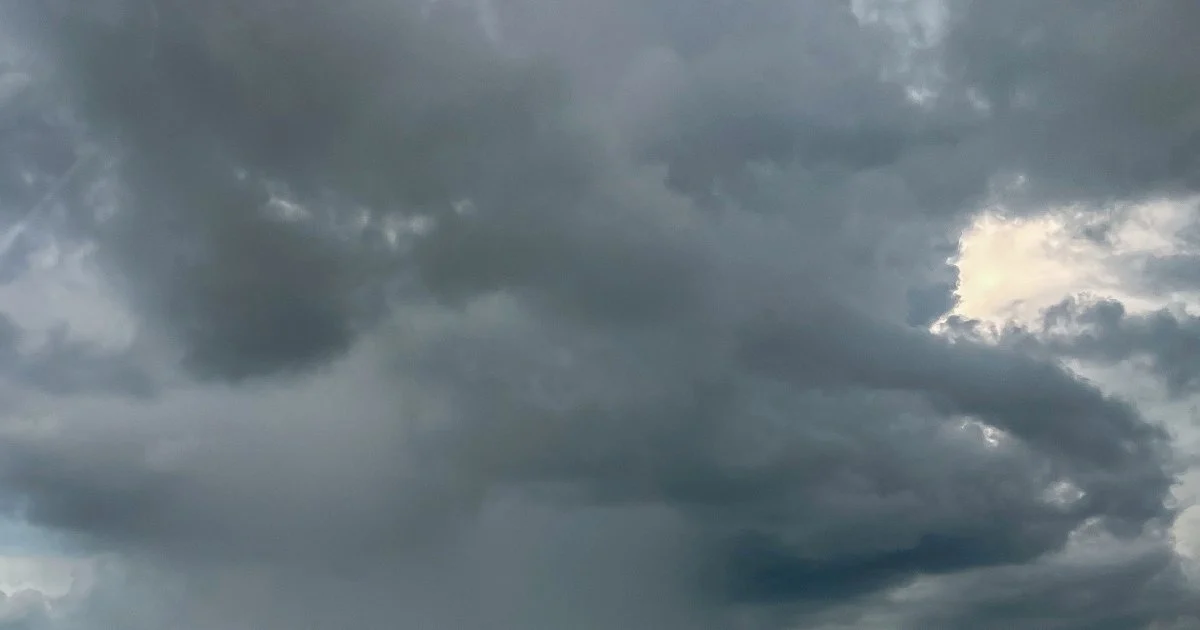
Malaysia's Meteorological Department has cautioned residents and motorists across four northern states to prepare for an active weather system bringing thunderstorms, heavy precipitation, and gusty winds that could disrupt outdoor activities and transport links until noon today.
The warning reflects the volatile atmospheric conditions currently affecting Malaysia's northern region, a pattern that emerges periodically during the monsoon transition periods and particular seasons. Thunderstorm cells developing over land and sea can intensify rapidly during these intervals, creating dangerous conditions across affected areas within a relatively short timeframe.
The four states under alert face particular vulnerability to the weather system's impacts. Flash flooding in low-lying areas and along river systems represents one of the primary hazards, as the combination of heavy rainfall and ground saturation can overwhelm drainage infrastructure. Residents in flood-prone communities are advised to remain vigilant and consider relocating to higher ground should water levels rise unexpectedly.
Strong wind gusts accompanying the thunderstorms pose additional risks to motorists navigating highways and rural roads throughout the affected zones. High-sided vehicles and motorcyclists face heightened exposure to sudden wind shifts that could trigger loss of control. Road authorities typically increase patrols during such weather events to respond swiftly to accidents or obstruction from fallen debris and tree branches.
The meteorological department's advisory underscores the importance of monitoring real-time weather updates before commencing journeys. Delays and disruptions to road and rail services should be anticipated, particularly on major corridors connecting the northern states to other regions. Logistics operators and delivery services may experience extended transit times.
Outdoor events scheduled for the morning period should be reassessed or postponed, given the hazardous conditions. Construction sites and industrial facilities in the region likewise require contingency protocols to safeguard equipment and personnel. Power supply disruptions remain a possibility in areas where electrical infrastructure faces exposure to lightning strikes or wind damage.
The noon deadline suggests that the meteorological department anticipates the system's gradual weakening during early afternoon hours as atmospheric instability decreases. However, localised showers may continue beyond this timeframe in isolated pockets, particularly in elevated terrain where orographic effects can sustain precipitation.
Southeast Asian weather patterns during transitional periods frequently produce such thunderstorm clusters, which form as warm, moist air converges with cooler upper-level air masses. The region's topography, with its mix of coastal zones and interior highland areas, creates preferred pathways for these systems to develop and intensify rapidly.
For Malaysian businesses and residents, preparedness remains the most effective mitigation strategy. Securing loose outdoor items, ensuring drainage channels remain clear, and maintaining emergency communication devices can significantly reduce disruption during severe weather episodes. Educational institutions and workplaces in the affected states should review their continuity plans and alert staff to potential weather-related delays.
The meteorological department continues to monitor atmospheric developments and may update advisories should conditions warrant extension or escalation of the warning. Citizens are encouraged to follow official channels for the latest guidance rather than relying on social media speculation, which frequently circulates unverified claims during weather emergencies.
Historically, northern Malaysia experiences recurring thunderstorm patterns that test infrastructure resilience and response capabilities. Each such event provides opportunities for authorities and communities to refine their preparedness protocols and identify systemic vulnerabilities requiring investment or remediation.
The current warning reflects MetMalaysia's enhanced forecasting capability, developed through investment in satellite monitoring and ground-based observational networks. This technological advancement enables earlier warning generation, providing residents and authorities with crucial lead time to implement protective measures before hazardous conditions arrive.

