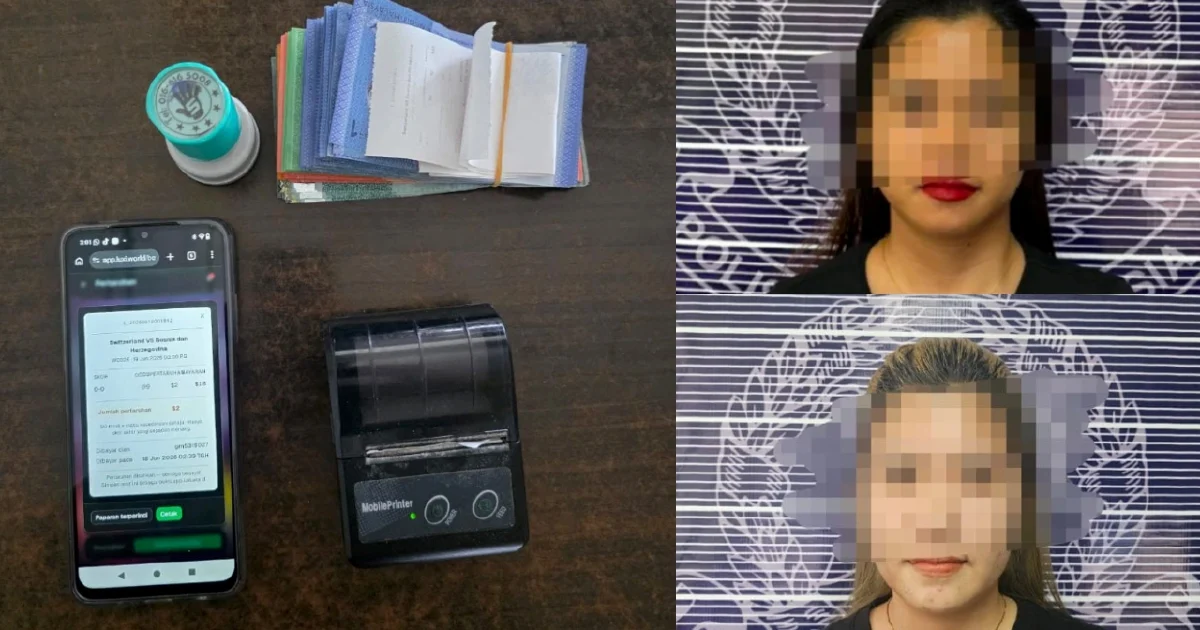
Law enforcement in Kuching has intensified efforts against underground gambling networks by securing three women suspected of facilitating illegal wagering tied to the upcoming 2026 FIFA World Cup. The detentions followed coordinated police operations spread across multiple locations within the district, signalling a broader crackdown targeting bookmakers and betting intermediaries operating outside regulated channels.
The arrests mark a significant enforcement action as the region gears up for the world's premier football championship. Illegal betting syndicates typically expand operations during major sporting events, exploiting widespread interest in global tournaments to channel substantial sums through underground networks. Malaysia has maintained strict prohibitions against unlicensed gambling, with only state-sanctioned operators permitted to conduct licensed gaming activities through regulated outlets.
The three suspects were apprehended during separate raids conducted yesterday, with each woman believed to have played a role as an agent facilitating bets for customers seeking to wager on World Cup matches. Police investigations will likely focus on determining the scope of their operations, including the volume of bets processed, customer networks, and connections to larger criminal organisations coordinating multiple cells across the region.
These operations typically employ tiered structures with street-level agents collecting bets from neighbourhood customers and transmitting information up the chain to regional coordinators and operators. The women's alleged role as intermediaries suggests they operated within a larger framework, potentially connecting individual punters to centralised betting hubs where odds were set and payouts calculated. Such arrangements allow organisers to maintain distance from direct customer contact while maximising profit margins through commission structures.
Kuching's enforcement action reflects broader concerns across Southeast Asia regarding the expansion of illegal gambling networks capitalising on football's unmatched popularity in the region. The proximity of the 2026 tournament creates particular urgency for authorities, as criminal syndicates invest in recruitment and infrastructure expansion ahead of major competitions. Malaysian police have previously identified football betting as a gateway activity drawing participants into more serious gambling and related criminal ecosystems.
The economic dimensions of underground betting remain substantial despite decades of enforcement efforts. Illegal World Cup betting generates millions in annual revenue across Southeast Asia, with a significant portion originating from Malaysia's substantial football-following population. This untaxed income represents not merely lost gaming revenue but also funding for criminal enterprises involved in money laundering, loan-sharking, and organised crime activities.
Police typically pursue investigations into betting operations through multiple enforcement angles simultaneously. Beyond the detained individuals, investigators will likely seek to trace financial flows, identify customer networks, and map connections to upstream criminal hierarchies. Electronic communications, banking records, and informant information typically provide crucial evidence in building comprehensive cases against entire networks rather than isolated individuals.
The timing of these arrests coincides with mounting international pressure on betting operators to combat match-fixing and corruption in football. Illegal betting syndicates create environments where fixers can approach players and officials, offering inducements to influence match outcomes. The 2026 World Cup, involving major footballing nations with substantial investment in the tournament, presents exactly the sort of high-stakes environment where corruption becomes financially attractive for conspirators.
Malaysia's approach to underground gambling enforcement has evolved beyond simple prosecution toward asset seizure and crime intelligence gathering. Police increasingly recognise that betting networks represent information sources revealing broader organised crime structures. Cooperation between Malaysian authorities and international law enforcement bodies has improved significantly, enabling cross-border investigations tracing operational funding and equipment sourcing.
The detention of these three women will likely lead to expanded investigations should police establish connections linking them to larger syndicates. Standard investigative procedures will involve detailed interviews examining their recruitment into betting operations, compensation arrangements, risk awareness, and knowledge of supervisory figures. Many street-level agents operate under duress or financial desperation, factors potentially informing sentencing recommendations alongside their role in facilitating illegal activity.
Community education remains a complementary enforcement strategy, with Malaysian authorities emphasising underground betting's connections to loan-sharking and violence when customers struggle to settle debts. The social costs of illegal gambling extend beyond individual addiction, encompassing family disruption, debt-related violence, and crime financing. Kuching residents with information about local betting operations can report anonymously to police, supporting enforcement efforts.

