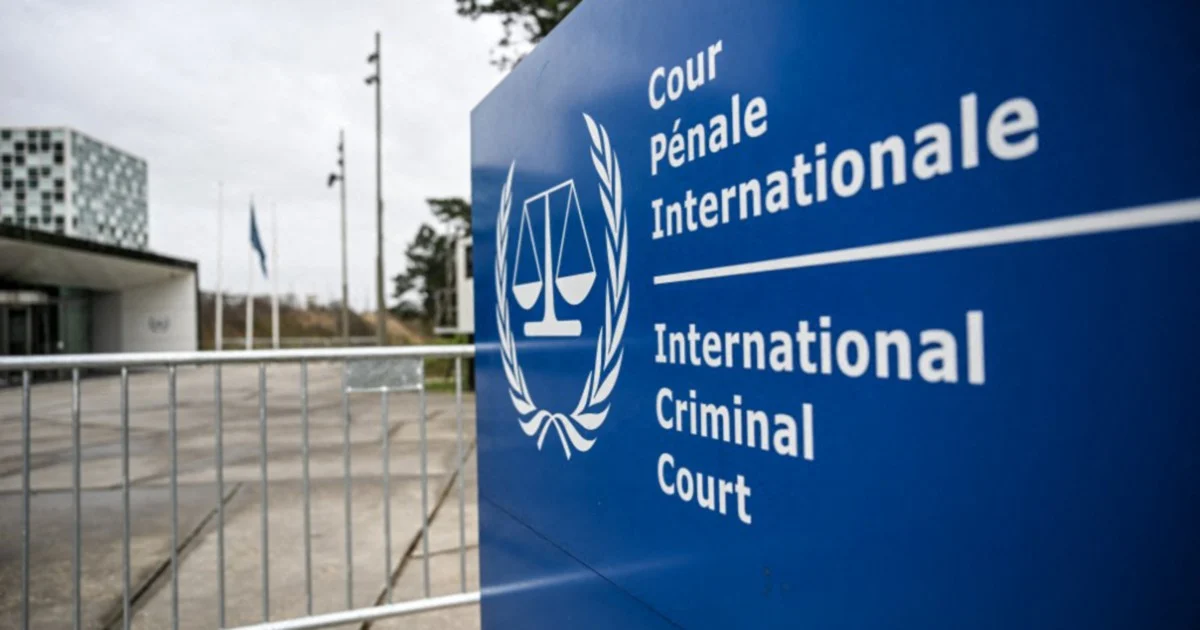
Three judges of the International Criminal Court have taken the unprecedented step of filing a federal lawsuit in New York against President Donald Trump and other top-ranking US government officials, alleging that sanctions levied against them violate American law and international obligations. The legal challenge, filed on Wednesday, represents an escalation in tensions between Washington and the Hague-based tribunal, which has become a flashpoint in US foreign policy debates.
The judges argue that the sanctions imposed by the Trump administration lack proper legal authority and constitute a breach of constitutional principles governing American foreign relations. By taking their case directly to the US federal courts, the three magistrates are attempting to overturn executive actions that have effectively frozen their assets and restricted their ability to conduct normal business within American jurisdiction. This litigation strategy reflects the judges' determination to contest what they characterise as an overreach of executive power without adequate congressional authorisation or judicial oversight.
The timing of this legal action reflects deeper strategic disagreements between the ICC and the United States regarding the tribunal's investigative scope. Washington has repeatedly expressed concern about the court's investigations into American personnel and allies, viewing some ICC activities as threats to US national interests. The sanctions at the centre of this lawsuit were ostensibly implemented to pressure the ICC to refrain from investigating American officials and military personnel. However, the judges argue this amounts to improper interference in an independent judicial institution.
International law experts observing this case note that it creates a novel legal question within the American system: whether the executive branch can unilaterally impose sanctions on foreign judges without triggering constitutional limitations on presidential power. The lawsuit essentially forces US federal courts to adjudicate whether restrictions on ICC officials meet the legal standards required for such measures. This technical legal question carries significant diplomatic implications for US relations with dozens of countries that are parties to the ICC statute.
The broader context involves the ICC's expansion of jurisdiction over alleged crimes by nationals of non-member states, including the United States. American policymakers have long viewed the tribunal with suspicion, fearing investigations into US military operations abroad could expose American service personnel to politically motivated prosecutions. The Trump administration's approach has been notably confrontational, imposing multiple rounds of sanctions and threats against ICC officials to deter investigations deemed threatening to American interests.
Malaysia and other Southeast Asian nations maintain varying relationships with the ICC. While Malaysia is not a state party to the Rome Statute establishing the court, regional neighbours including the Philippines have participated in ICC proceedings. The outcome of this lawsuit could influence how international institutions interact with American power, setting precedents that affect how regional states navigate between ICC obligations and US diplomatic pressure. The case demonstrates how American domestic law can become weaponised in international disputes, with significant consequences for the architecture of global justice mechanisms.
The judges' decision to pursue this litigation in American courts rather than seeking remedies through diplomatic channels suggests confidence that US law provides substantive protections even for foreign officials. This reflects faith in American constitutional principles, particularly separation of powers doctrines that constrain executive authority. The lawsuit essentially asks American judges to prioritise legal formalism and constitutional limits on presidential power over geopolitical considerations that may favour the Trump administration's ICC policies.
Washington's sanctions strategy appears designed to isolate the ICC from normal international institutional functions, hoping financial pressure and legal restrictions will eventually force policy changes. The judges' counterattack through US courts tests whether this approach can withstand judicial scrutiny applied according to established American legal standards. If federal courts determine the sanctions lack proper authorisation or violate constitutional requirements, the implications would extend beyond the ICC to broader questions about executive authority to sanction foreign officials.
The case also illuminates tensions within the international legal order between state sovereignty and universal jurisdiction principles. The ICC represents an effort to establish accountability for atrocities that transcend national boundaries, yet the tribunal operates within a state-centric international system where powerful nations can marshal significant pressure against inconvenient institutions. America's willingness to sanction ICC judges demonstrates how great powers can use economic and legal tools to resist international mechanisms seen as threatening national interests or allies' interests.
For observers in Southeast Asia, the lawsuit highlights how American domestic politics increasingly shape international institutional behaviour. Should the courts rule against the Trump administration, it would constrain the administration's ability to further restrict ICC operations through sanctions. Conversely, if courts uphold the sanctions, it would validate executive authority to weaponise financial restrictions against international institutions judged harmful to American interests. Either outcome carries implications for the region's engagement with international courts and mechanisms where multiple actors hold conflicting views about institutional legitimacy and scope.

