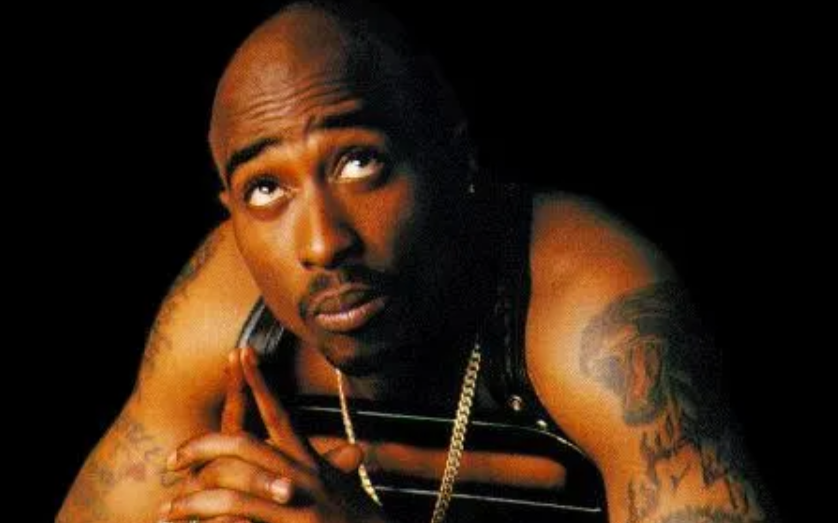
One of America's most enduring mysteries entered a new chapter on Monday as the trial of Duane "Keffe D" Davis, a former South Side Compton Crips leader, formally opened in connection with the September 7, 1996 killing of hip-hop icon Tupac Shakur. The case, which has captivated music fans and criminal justice observers worldwide for 30 years, represents a rare moment of accountability in a saga long marked by silence, conflicting narratives, and the deaths of key witnesses. Jury selection began this week with proceedings expected to extend through the following days, with the full trial anticipated to run approximately one month.
The shooting occurred in Las Vegas when Shakur, then 25 and riding in a vehicle with Death Row Records founder Marion "Suge" Knight, was struck by gunfire from a white Cadillac during a drive-by attack. Shakur had attended a Mike Tyson boxing match at the MGM Grand casino earlier that evening. The immediate catalyst for violence centred on an earlier altercation at the casino when Knight and Shakur allegedly attacked Davis's nephew, Orlando "Baby Lane" Anderson, a Crips member, over an alleged assault on a Death Row Records employee. Prosecutors argue this incident triggered Davis to order retaliatory action, providing the weapon that would claim Shakur's life.
Davis, now 63, appeared in court attired in a light blue shirt and dark tie, facing a potential life sentence without the possibility of parole if convicted. The arrest came in September 2023, decades after the actual killing, when confessions Davis made in his own published memoirs became the basis for renewed investigation. The case exemplifies how cold cases can suddenly gain traction through unexpected avenues, in this instance through voluntary disclosures in a book released in 2019. These memoirs contained admissions that Davis had occupied the front passenger seat of the Cadillac and had distributed a pistol to occupants in the rear. However, Davis conspicuously avoided identifying who actually fired the fatal shots.
The broader context for Shakur's death involves one of hip-hop's most destructive conflicts: the East Coast versus West Coast rivalry of the 1990s. Shakur represented the Death Row Records faction, based on the West Coast and closely aligned with the Mob Piru gang, themselves part of the wider Bloods network. In contrast, Bad Boy Records, the East Coast powerhouse helmed by Sean "Diddy" Combs and featuring Christopher "The Notorious B.I.G." Wallace, maintained connections with rival gang organisations including the South Side Compton Crips. This gang-affiliated architecture of the music industry created a dangerous ecosystem where personal disputes could escalate through criminal networks. Wallace himself would be murdered in Los Angeles just six months after Shakur's death, further cementing hip-hop's darkest chapter.
The investigation had languished for decades due to insufficient evidence and the apparent unwillingness of eyewitnesses to cooperate with authorities. The Cadillac's other occupants have all since died, eliminating potential corroborating testimony. This attrition of witnesses explains why Davis's memoir became investigatively significant despite being a commercial publication rather than a formal confession. Statements Davis had previously made to reporters proved consistent with the book's revelations, suggesting they were not merely sensationalised additions. Only through this circuitous route did prosecutors gain sufficient grounds to pursue charges.
Davis's current legal strategy represents a dramatic reversal from his earlier public statements. He now maintains complete innocence, asserting he was not even present in Las Vegas on the night of the murder but was instead in Los Angeles. In a March 2025 interview conducted from prison with ABC News, Davis characterised his memoir contributions as minimal background details that his co-author allegedly amplified and expanded without his full knowledge or approval. He claims no responsibility for the book's final content and insists he has never actually read the completed manuscript. This assertion strains credibility given that memoirs typically require author approval before publication, yet it reflects the legal narrative Davis's defence team will pursue throughout trial.
Defence lawyers mounted extensive pretrial efforts to exclude both the memoir and Davis's 2008 police interview from evidence, though these motions were apparently unsuccessful. The admissibility of these statements will prove crucial to the prosecution's case, as they constitute Davis's closest approach to a confession, albeit one he now repudiates. The prosecution will need to establish why a man would offer such detailed, incriminating disclosures if innocent, and must convince jurors that his current denials lack credibility compared to his earlier, more specific accounts. This testimony-against-himself dynamic, whether through memoir or police interview, forms the prosecution's strongest evidentiary foundation.
Even if Davis receives a guilty verdict, the trial's conclusion may not fully resolve lingering questions or satisfy those personally affected by Shakur's death. The identity of who actually pulled the trigger remains unconfirmed in public discourse, with Davis continuing to shield that information if he possesses it. In May 2025, Shakur's stepbrother Maurice Shakur filed a wrongful death lawsuit in civil court, arguing that "there remain individuals who were involved in Tupac's murder who, for 30 years, have not been held accountable for their crimes." This civil action suggests belief that broader culpability extends beyond Davis alone, potentially implicating other gang members or associates.
For Malaysian and Southeast Asian observers, the trial illuminates how organised crime structures intersect with entertainment industries globally, a pattern not exclusive to America. While Malaysia's music and entertainment sectors operate differently, the underlying mechanisms of gang violence penetrating celebrity circles represent universal risks in societies where organised crime remains entrenched. The three-decade investigative delay also highlights systemic challenges in prosecuting crimes where gang intimidation suppresses witness cooperation. Furthermore, the trial demonstrates how memoir publication and media disclosures can revive stalled investigations, a lesson relevant to legal practitioners across the region grappling with cold cases.
The case also reflects broader questions about accountability and justice delayed. Shakur's death occurred when he was at peak cultural influence, representing not merely personal tragedy but the loss of an artist whose sociopolitical commentary shaped generations. The murder's resolution, however partial, marks a symbolic moment even if comprehensive truth remains elusive. The trial's proceedings will likely generate extensive media coverage and cultural commentary throughout its projected month-long duration, revisiting the conditions that made 1990s hip-hop conflicts so consequential and violent. Whether the verdict brings genuine closure or merely a legal verdict remains uncertain.

