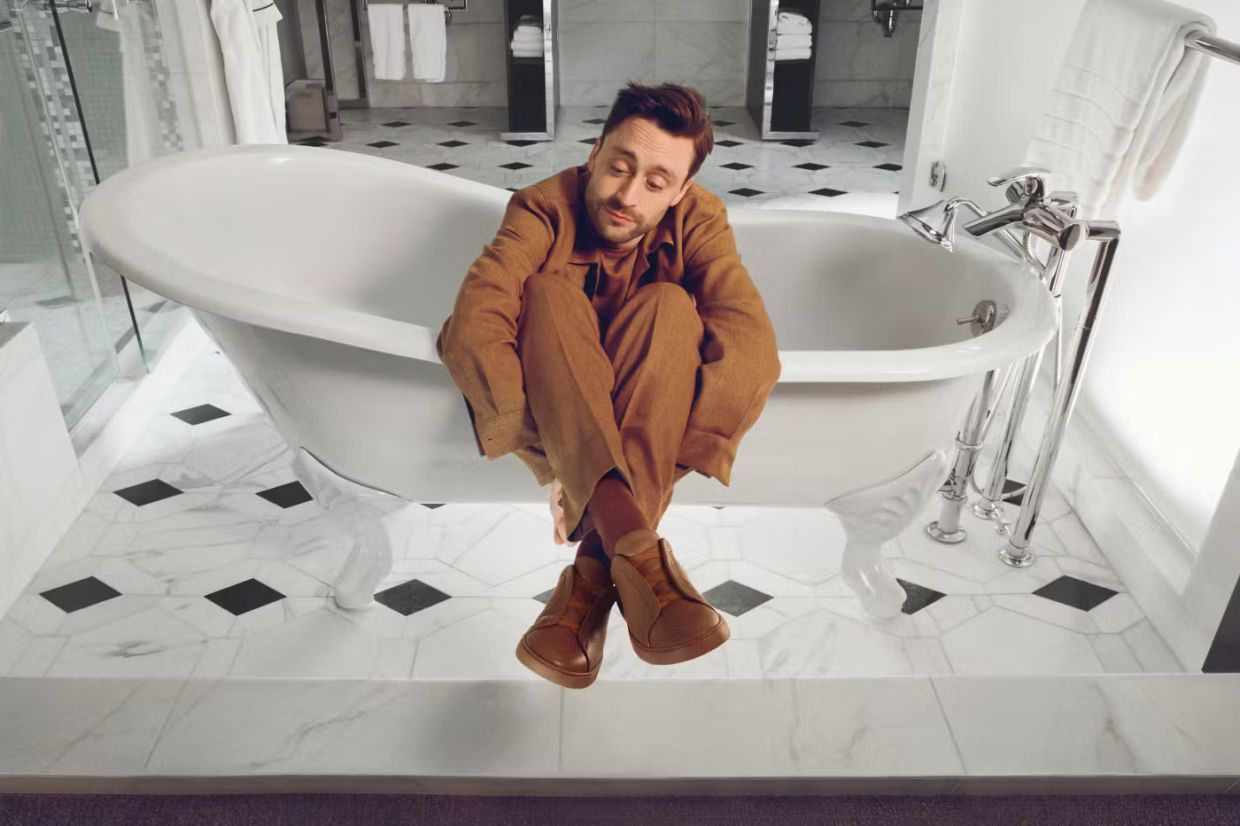
The dress sneaker represents one of contemporary menswear's most curious innovations: a hybrid shoe that pairs the rubber sole of athletic footwear with the leather upper of a formal lace-up. What began as an experimental crossover has matured into a wardrobe cornerstone for millions globally, signalling a fundamental shift in how men navigate the intersection between comfort and professionalism. Yet this seemingly inevitable garment took decades to develop, and its cultural moment may already be passing.
The ascent of dress sneakers reflects broader transformations in workplace culture and social attitudes toward formality. The rise of casual Fridays, the elevation of "stealth wealth" aesthetics emphasising quality over ostentation, and the normalisation of comfort-driven dressing have all conspired to create an environment receptive to shoes that refuse categorical simplicity. Unlike previous failed hybrid experiments—the snafu or the sneakerina—dress sneakers successfully transcended their novelty origins to become genuinely mainstream.
Higher-profile adoption has accelerated this mainstreaming considerably. Members of the US Congress have worn dress sneakers to presidential meetings; acclaimed actors have paired them with formal attire at international film festivals; and television stars have worn them as costuming choices in prestige dramas. Technology executives, particularly on Wall Street and Silicon Valley, embraced them enthusiastically as footwear that communicated simultaneous ambition and accessibility. Even traditionally conservative institutions have relented: private clubs with stringent dress codes now explicitly permit white-soled leather shoes whilst still prohibiting conventional sneakers.
Menswear historian Derek Guy attributes the genre's genesis to Common Projects' Achilles Low, released in 2004. These minimalist Italian-made low-tops, stripped of excessive branding yet commanding premium pricing, established dress sneakers as luxury objects. Their scarcity and cost positioned them as status symbols within affluent circles, creating aspirational demand that eventually filtered downward through the market. As mainstream brands including Allen Edmonds and Wolf & Shepherd entered the category, alongside luxury houses Tom Ford, Loro Piana and Cole Haan, the dress sneaker became democratised without losing cultural cachet.
The aesthetic logic underlying dress sneakers' appeal is straightforward yet powerful. The shoes communicate careful contradiction: professional respectability combined with understated flexibility, formal commitment tempered by contemporary ease. They function as sartorial code for a particular worldview—one that values both achievement and authenticity, polish without stuffiness, ambition without pretension. This messaging proved irresistible to ascending executive classes seeking to project both competence and cultural relevance.
However, the current moment suggests this narrative may be corroding. Silicon Valley's once-unassailable cultural authority has faced mounting scrutiny, particularly regarding social media platforms' psychological impacts and corporate accountability. The association between dress sneakers and "move fast and break things" entrepreneurialism—once symbolising innovative disruption—now carries different valences entirely. As technology companies face increased regulatory pressure and reputational challenges, the footwear that signalled their ascendancy has become tainted by proximity.
Economic anxieties additionally appear to be reshaping professional presentation preferences. Rising unemployment concerns and economic uncertainty may be driving professionals toward more conservative sartorial choices, with traditional dress shoes signalling stability and serious commitment. The post-pandemic period's initial embrace of casual attire and comfort-first dressing may be giving way to reassertion of conventional professionalism as a protective strategy during unstable times.
Median cultural commentary increasingly identifies dress sneakers as somewhat ridiculous—essentially T-shirts with tuxedo prints rendered in shoe form. This perspective captures a genuine contradiction within the garment: its attempt to occupy impossible middle ground, pleasing everyone whilst ultimately satisfying no one completely. The shoe refuses categorical commitment, embodying a kind of sartorial fence-sitting that may eventually become untenable.
For Southeast Asian professionals navigating increasingly globalised workplaces, dress sneakers have offered legitimate style flexibility within formal environments. Malaysian executives and professionals have embraced them alongside counterparts elsewhere, appreciating how they function in tropical climates whilst maintaining appearance of workplace seriousness. The local adoption reflects genuine practical benefits alongside international trend participation.
Yet the question increasingly facing menswear consumers concerns whether authentic style expression demands commitment to coherent aesthetic philosophies rather than comfortable compromises. If dress sneakers represent hesitation—neither fully casual nor genuinely formal—then perhaps their eventual decline would reflect cultural maturation rather than aesthetic regression. This potential shift would encourage professionals to make clearer choices about whether they prioritise comfort or formality, rather than seeking shoes that awkwardly straddle both categories.
The dress sneaker's trajectory illuminates how contemporary fashion attempts to resolve genuine tensions between modern life's competing demands: professional expectation versus personal comfort, traditional formality versus casual authenticity. Whether the category survives depends substantially on whether these tensions persist or whether cultural pressure ultimately forces clearer categorical choices.

