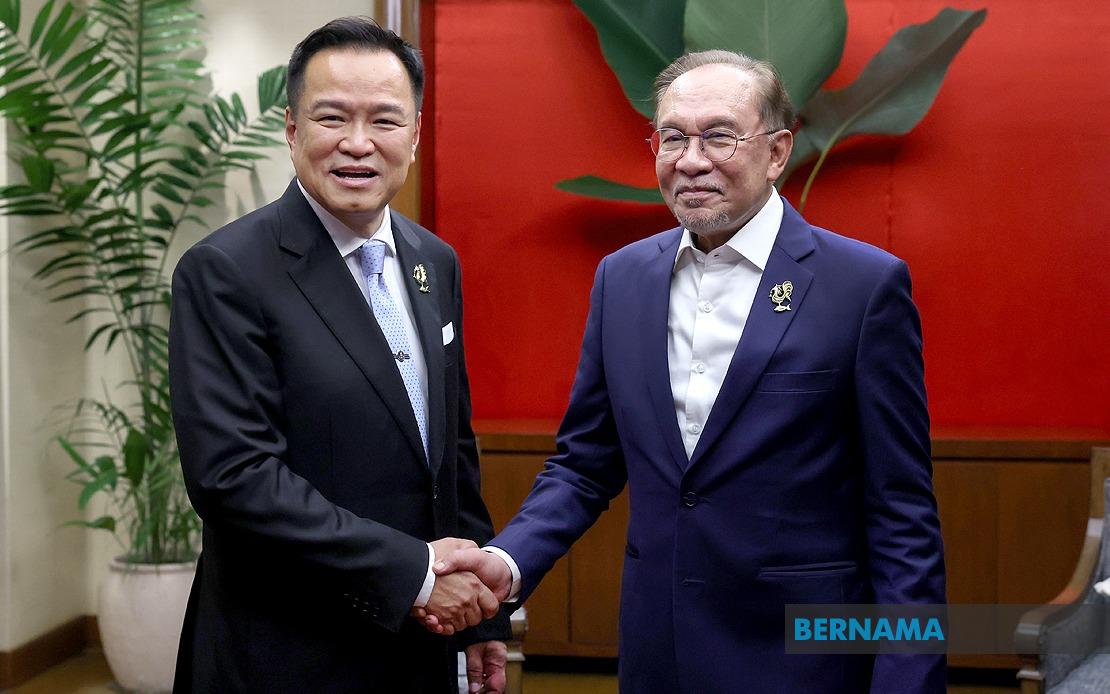
Thai Prime Minister Anutin Charnvirakul is set to embark on a two-day official visit to Malaysia beginning Thursday, July 9, marking a strategic moment for bilateral engagement as the two countries prepare to inaugurate a significantly upgraded border crossing facility. The timing of Anutin's visit, conducted at the invitation of Malaysian Prime Minister Datuk Seri Anwar Ibrahim, underscores the mutual commitment both governments share in deepening economic and diplomatic ties heading toward a significant anniversary in the coming years.
The centrepiece of this diplomatic engagement is the July 11 opening of the new permanent Sadao border checkpoint, which represents a substantial infrastructure investment designed to address longstanding logistical constraints affecting regional commerce. Situated in Songkhla province on the Thai side, the facility will directly interface with Malaysia's Bukit Kayu Hitam checkpoint in Kedah, creating a modernised gateway for the movement of goods, services and people across one of Southeast Asia's most important trade corridors.
Thailand's Cabinet formally approved the checkpoint's opening during a Tuesday session, according to government spokesperson Ratchada Thanadirek. The new permanent installation will supersede the existing Sadao crossing, representing the culmination of what has evidently been a coordinated infrastructure modernisation initiative between Bangkok and Kuala Lumpur. Operating hours are scheduled from 5 am to 11 pm Thailand time on a daily basis under Ministry of Interior regulations, a schedule designed to accommodate the substantial traffic volumes that typically characterise this critical juncture between the two nations.
Beyond the checkpoint itself, Thai authorities have recognised that successful border operations require comprehensive supporting infrastructure. The Cabinet has accordingly instructed relevant agencies to accelerate construction of connecting roads on the Thai side, a measure intended to optimise vehicle flow both entering and exiting the checkpoint facility. Officials have also been tasked with implementing congestion mitigation strategies and establishing shuttle bus services that will link the checkpoint to inland population centres, acknowledging that the economic benefits of improved border infrastructure depend equally on seamless internal connectivity.
Public communication has emerged as a priority for Thai authorities managing this transition. Ratchada indicated that authorities intend to intensify awareness campaigns targeting residents and business operators in the Dan Nok border community and surrounding regions. These campaigns will detail new traffic routing options, updated customs and immigration procedures, and specific mechanisms designed to facilitate smoother cross-border trade operations. Such public engagement reflects recognition that infrastructure improvements generate tangible benefits only when stakeholders understand and can navigate the new systems efficiently.
The new Sadao Customs, Immigration and Quarantine Complex represents a substantial technical upgrade, incorporating modern facilities designed to process documentation, manage quarantine protocols and conduct inspections more rapidly than preceding arrangements. This enhanced capacity should materially reduce processing times that have historically constrained trade flows, particularly for time-sensitive goods such as agricultural products and manufactured components requiring rapid cross-border movement within integrated regional supply chains.
Anutin's visit constitutes his third official journey to Malaysia since assuming the prime ministerial office, reflecting the frequency and consistency of high-level engagement between the two governments. His previous trips included participation in the ASEAN Summit and Related Summits held in Kuala Lumpur in October of the prior year, followed by a dedicated official visit on November 26, indicating an established pattern of substantive bilateral interaction beyond ceremonial diplomatic occasions.
The infrastructure enhancement arrives at a moment when both governments are consciously investing in the bilateral relationship's deepening. Official statements emphasise that the visit and checkpoint opening reflect commitment to advancing cooperation and achieving tangible outcomes as the two nations approach the 70th anniversary of formal diplomatic relations in 2027. This framing suggests that both Bangkok and Kuala Lumpur view the upcoming decade as a period requiring renewed emphasis on practical collaboration rather than merely commemorative gestures.
For Malaysian readers, the implications extend beyond bilateral ceremony. Improved border infrastructure directly affects the competitiveness of Malaysian businesses engaged in cross-border trade with Thailand, whether in agriculture, manufacturing or services. The reduction in processing times and enhanced logistical efficiency should lower transaction costs, expand trade volumes and improve the region's attractiveness as a location for supply chain integration, potentially drawing foreign investment to border-adjacent Malaysian states such as Kedah and Perlis.
The checkpoint project also reflects broader Southeast Asian trends toward physical integration of trade corridors and modernisation of customs facilities. Regional institutions including ASEAN have consistently identified border infrastructure as critical to economic integration goals, and Thailand-Malaysia cooperation in this domain provides a template for other bilateral relationships across the region seeking to enhance cross-border efficiency.
Tourism considerations further amplify the checkpoint's significance. Streamlined border procedures and expanded operating hours should facilitate increased leisure travel between the two nations, supporting hotels, restaurants and attractions on both sides of the frontier. For Thai provinces in the southern region and Malaysian northern states, improved border crossing capacity represents opportunity to capture tourism spending that congested facilities previously deterred.
The diplomatic choreography surrounding the checkpoint opening, with Anutin's visit timed to precede the inauguration, signals to regional and international observers that Thailand and Malaysia maintain functional, purposeful engagement despite periodic tensions in their relationship. This demonstration of sustained cooperation on infrastructure projects of mutual economic benefit reinforces perceptions of regional stability and commitment to integration, messaging that carries significance for investor confidence throughout Southeast Asia.
Moving forward, the success of the new Sadao checkpoint will likely influence the trajectory of future infrastructure projects along the Thailand-Malaysia border and may establish benchmarks for other ASEAN member states evaluating their own border crossing modernisation initiatives. Both governments appear positioned to leverage this moment as demonstration of their capacity to deliver cooperative outcomes that generate measurable benefits for their respective business communities and citizens.

