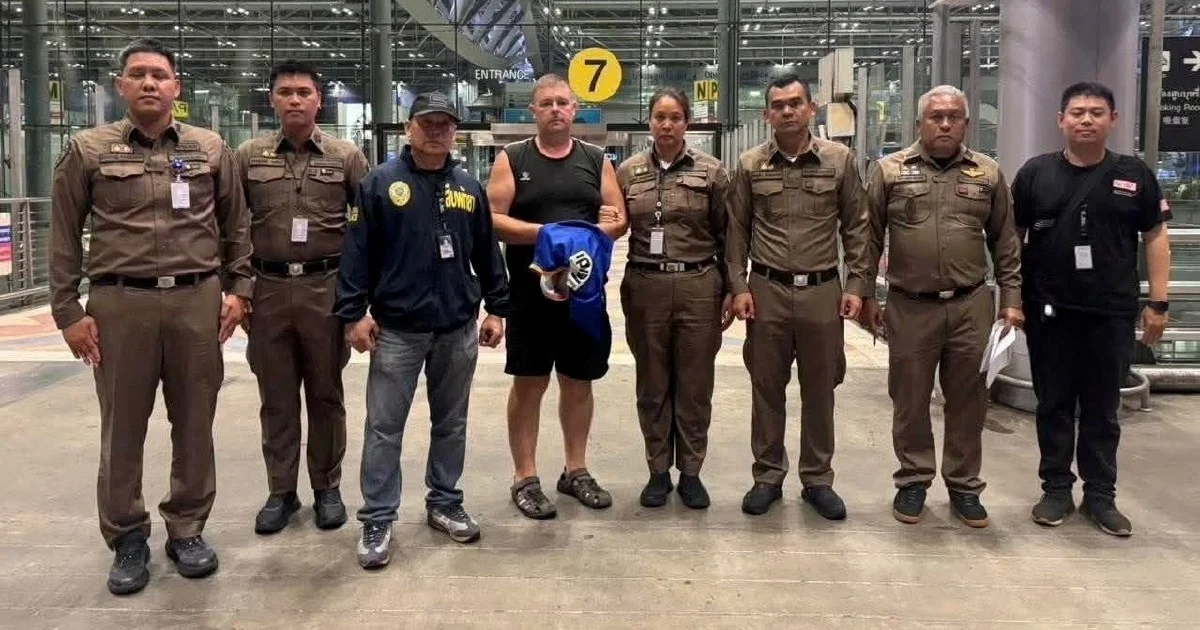
An Australian man has been arrested and charged with murder following the discovery of a 17-year-old Thai girl's remains inside a suitcase in Pattaya, in what police are treating as a significant criminal investigation. The arrest marks a dark chapter in the beach resort city's safety record and has prompted renewed scrutiny of security concerns affecting young Thai nationals. The victim's family has released a statement expressing profound grief, describing the loss as an unbearable tragedy that has shattered their lives.
Pattaya, long established as a major tourist destination on Thailand's eastern seaboard, has faced persistent challenges with criminal activity involving foreign nationals and local victims. The discovery of the teenager's body in such circumstances has alarmed Thai authorities and drawn international attention to the circumstances surrounding her death. Initial investigations suggest the case involves complex factors that authorities are continuing to examine as they build their prosecution.
The relationship between the Australian suspect and the victim remains under investigation, though police have indicated that evidence collected at the scene forms the basis for the serious charges brought against the accused. Thai law enforcement has indicated they are pursuing every investigative lead as the case develops through the court system. The arrest was made following an extensive search operation and forensic examination that led authorities to identify both the victim and the suspect.
This incident reflects broader concerns about the safety of young Thai women and girls, particularly in areas where there are significant populations of foreign tourists and expatriates. Non-governmental organisations working in Thailand on protection issues have previously highlighted vulnerabilities affecting teenagers from disadvantaged backgrounds, who may lack adequate support networks or awareness of personal safety risks. The tragedy underscores the importance of strengthening prevention and awareness initiatives aimed at protecting vulnerable populations.
For the victim's family, the investigation's progression through Thailand's judicial system will likely be prolonged and emotionally draining. Thai murder trials, particularly those involving international elements, typically take considerable time to resolve as courts weigh evidence and hear testimony. The family's public statements so far have focused on their anguish and loss, though they are likely to remain closely involved as the case advances.
Australian diplomatic authorities have confirmed their engagement with Thai counterparts regarding the case, with consular support being provided to the accused in accordance with standard international protocols. This involvement reflects the complexities of cross-border criminal matters, where both the home nation of the suspect and the jurisdiction where the crime occurred have legitimate interests in ensuring justice and due process.
Thailand's legal framework provides for substantial penalties in murder cases, with sentences ranging up to life imprisonment depending on circumstances and evidence presented. The specific charges being pursued against the Australian suggest prosecutors believe they can demonstrate intent or other aggravating factors beyond a simple charge of causing death. The judicial process will determine the validity of these allegations and the appropriateness of the charges.
The incident has implications for Thailand's tourist industry and its reputation as a safe destination, concerns that extend to Southeast Asia more broadly as the region competes for international visitors. While serious crimes involving foreign nationals remain statistically rare relative to the millions of tourists visiting annually, high-profile cases generate significant media attention and can influence travel decisions. Thai authorities have indicated their commitment to thoroughly investigating the matter and pursuing justice, messaging intended to reassure both local residents and the international community.
For Malaysian readers and other Southeast Asians, the case serves as a sobering reminder of personal security challenges that can arise when travelling or relocating to popular tourist destinations in the region. Parents and guardians of young people considering extended stays or work opportunities in places like Pattaya should ensure their relatives have robust safety awareness and support systems in place. The tragedy also highlights the value of maintaining awareness of one's surroundings and exercising appropriate caution in situations involving unfamiliar individuals, particularly in environments where language barriers or cultural differences may complicate communication.
As the Australian suspect faces the Thai justice system, the victim's family begins the long process of grieving and seeking closure. The case will likely conclude with a verdict that determines the suspect's culpability and the appropriate consequences under Thai law. For the wider community in Pattaya and across Thailand, it represents a moment for reflection on how vulnerable individuals can be better protected, and how both residents and visitors can contribute to a safer environment across the region.

