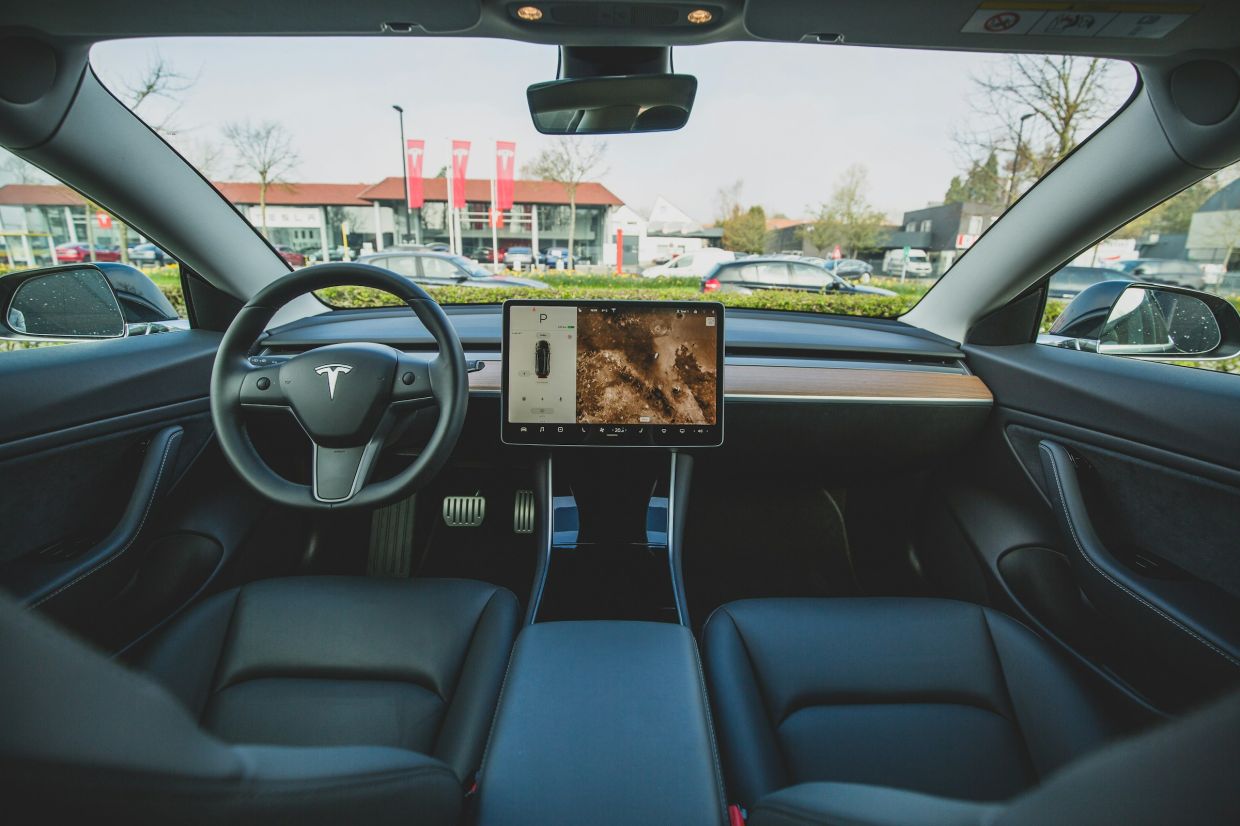
Tesla has quietly settled a lawsuit over a fatal 2023 collision in Arizona involving its Full Self-Driving (FSD) system, marking a significant development in ongoing scrutiny of the electric vehicle maker's autonomous driving technology. The case centered on the death of 71-year-old Johna Story, who was struck by a Tesla Model Y while standing on a highway attempting to direct traffic around vehicles disabled by intense sun glare. Attorney Dustin Birch, representing Story's daughter, confirmed the recent settlement but declined to disclose financial terms, saying his client wished to move forward. Tesla has not publicly commented on the resolution.
The Arizona incident represents a watershed moment in automotive safety discourse, as it stands as the first documented fatality of a pedestrian attributable to Tesla's autonomous driving capabilities. Story's death occurred when she had exited her vehicle to assist other motorists whose cars had been rendered immobile by environmental glare conditions. The tragedy occurred against a backdrop of roughly 40,901 traffic fatalities recorded across the United States that year, yet distinguished itself through its connection to emerging autonomous vehicle technology.
The collision set in motion a formal investigation by the National Highway Traffic Safety Administration (NHTSA) into whether Tesla's FSD system presents an unacceptable hazard to public safety. Since launching its initial inquiry in 2024, the regulator has significantly escalated its examination, moving from preliminary investigation to a comprehensive engineering analysis. This progression reflects mounting concerns among federal safety officials regarding potential deficiencies in how the system performs under challenging visibility conditions, including scenarios involving sun glare, airborne dust, and fog.
NHTSA's investigation has uncovered a troubling pattern in how Tesla's technology responds to degraded visual environments. According to the regulator's findings, the FSD system consistently failed to detect common roadway hazards that impaired camera functionality until moments before collisions occurred. In multiple incidents reviewed by NHTSA investigators, the technology either failed to recognize when visibility had deteriorated or neglected to provide drivers with adequate warning time to intervene manually. Compounding these concerns, the system repeatedly lost tracking of or entirely missed vehicles positioned directly ahead in its path during these compromised visibility scenarios.
These revelations carry particular weight given Elon Musk's strategic emphasis on autonomous driving technology as central to Tesla's long-term viability. The company chief has positioned FSD and related robotaxi initiatives as cornerstones of Tesla's future trajectory. This corporate betting on unproven automation capabilities has led Tesla to pursue regulatory approvals for various iterations of the technology across multiple jurisdictions worldwide. However, this expansive ambition has drawn criticism from automotive safety advocates who contend that significant defects persist within the system.
The safety concerns identified by NHTSA directly implicate the technological limitations that claimed Story's life. The regulator's analysis suggests that degraded visibility conditions—precisely the circumstances surrounding the fatal Arizona collision—expose critical vulnerabilities in how Tesla's cameras perceive and respond to roadway situations. The finding that the system neither detected deteriorated visibility conditions nor presented drivers with timely alerts capable of enabling human intervention represents a fundamental safety shortcoming.
Tesla's response to these mounting questions has focused on technical remediation. During an April earnings conference call, company executives disclosed that Tesla had modified camera systems on some older vehicles intended to address the visibility detection issues. Simultaneously, Tesla indicated ongoing cooperation with NHTSA regarding the regulator's investigation. However, these responses have yet to fully assuage safety advocates concerned about whether such modifications adequately resolve the underlying technical deficiencies or merely represent incremental improvements.
For Malaysian and Southeast Asian automotive markets, this development carries implications beyond the immediate circumstances. As Tesla and other manufacturers worldwide push autonomous driving technologies toward commercial deployment, the Arizona fatality and subsequent investigation signal that regulatory agencies increasingly scrutinize these systems before permitting widespread adoption. Nations across the region considering whether to authorize autonomous vehicles on public roads face mounting evidence that current technology remains imperfect, particularly in challenging environmental conditions common in tropical climates where intense sun, humidity, and visibility challenges frequently occur.
The settled lawsuit also reflects broader tensions inherent in autonomous vehicle development. While settlements typically include confidentiality provisions that prevent disclosure of financial arrangements or underlying admissions, they nonetheless represent tacit acknowledgment of liability and provide compensation to affected families. The privacy surrounding such resolutions means the public receives limited transparency about whether manufacturers acknowledge specific defects or merely settle to avoid prolonged litigation. This opacity frustrates safety advocates seeking definitive accountability.
Looking ahead, the trajectory of NHTSA's engineering analysis will likely determine whether Tesla faces regulatory constraints on FSD deployment or mandatory recalls. The regulator's investigation continues examining whether the system meets minimum safety standards for operation on public roads. Given the patterns already identified in degraded visibility scenarios, NHTSA may ultimately restrict FSD functionality, require additional driver monitoring systems, or demand that Tesla demonstrate substantially improved performance before expansion occurs.
The Arizona case ultimately underscores tensions between technological innovation and public safety safeguards. Tesla's ambitions to deploy increasingly autonomous vehicles advance against a backdrop of documented failures that have claimed lives. While the company pursues engineering solutions and regulatory approvals, the settled lawsuit silently commemorates a preventable tragedy that prompted necessary scrutiny of technology not yet proven sufficiently reliable for unsupervised operation.

