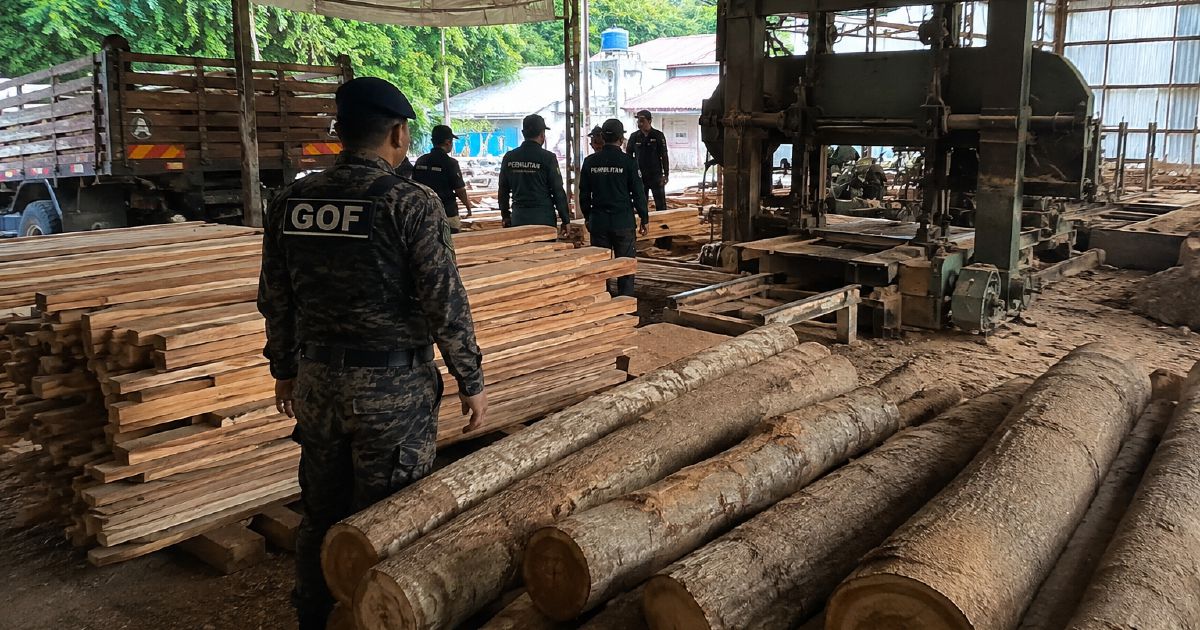
The General Operations Force carried out an enforcement operation against a sawmill in Kuala Berang, Terengganu, resulting in the confiscation of substantial timber stocks and industrial processing equipment totalling RM640,510 in value. A 20-year-old individual was taken into custody during the action, which underscores ongoing efforts by authorities to combat illegal forestry activities in the state.
Terengganu has long been a focal point for timber-related enforcement operations, given the state's significant forest resources and its position along key smuggling routes. The Kuala Berang area, in particular, has seen repeated crackdowns on unauthorised sawmilling operations that contravene Malaysia's strict forestry regulations. Such raids reflect the complexity of managing timber resources across Peninsular Malaysia's eastern corridor, where geographical factors and demand pressures create opportunities for regulatory violations.
The GOF's involvement in this operation highlights the multi-agency approach authorities adopt when addressing suspected breaches of forestry laws. As a paramilitary force primarily responsible for internal security, the GOF's deployment in timber enforcement demonstrates the seriousness with which the government treats illegal logging and unregulated milling operations. These activities carry substantial penalties under Malaysia's Forestry Ordinance and related legislation.
The seized equipment and timber represent a significant material loss for those operating the facility. The confiscation serves as a deterrent to other operators who may consider circumventing established regulations governing timber harvesting, processing, and trade. In Malaysia's stringent regulatory environment, sawmills must obtain proper licensing and operate within prescribed forest management areas to maintain legal standing.
From a broader perspective, enforcement actions of this nature form part of Malaysia's commitment to sustainable forest management and combating illegality in the timber sector. The country faces international scrutiny regarding its forestry practices, and domestic enforcement activity demonstrates governmental commitment to upholding conservation standards and preventing unauthorised resource extraction that could undermine ecosystem integrity across Terengganu's forested regions.
The arrest of the 20-year-old suspect introduces a generational dimension to enforcement discourse. Many individuals engaged in illegal timber operations span different age groups and socioeconomic backgrounds. The involvement of a young person raises questions about how economic pressures, limited employment alternatives, and existing informal economy networks recruit participants into unauthorised activities, particularly in states where forest-based livelihoods remain economically significant.
Sealing Kuala Berang facilities and removing valuable equipment sends a clear message that authorities maintain active surveillance over suspected violation sites. Repeat enforcement actions in specific localities indicate that some operators persist despite previous enforcement efforts, suggesting that deterrence mechanisms may require strengthening through additional measures such as enhanced monitoring infrastructure or elevated penalties.
For Malaysian stakeholders monitoring forestry sector integrity, this operation reflects the ongoing tension between resource development pressures and regulatory compliance. Terengganu's timber industry contributes economically to the state, but unregulated operations undermine legitimate businesses that invest in proper licensing, equipment certification, and environmental compliance. The enforcement action protects the competitive environment for compliant operators while safeguarding forest resources.
The seizure's monetary value—RM640,510—illustrates the substantial capital involved in timber processing infrastructure. This figure encompasses raw material stocks and sophisticated equipment, indicating these operations represent more than small-scale informal activities. The investment level suggests either coordinated commercial operations or well-resourced informal enterprises, both of which present significant enforcement challenges requiring sustained investigative capacity.
Looking forward, this incident will likely feature in enforcement statistics reviewed by environmental and forestry oversight bodies assessing compliance rates across Malaysia's states. Terengganu's enforcement record influences public and investor perception regarding the state's commitment to regulatory standards and sustainable resource management. Continued vigilance helps maintain international confidence in Malaysian timber sector governance, particularly important given export market preferences for certified sustainable products.
The case also underscores the importance of intelligence-gathering and community reporting in detecting unauthorised sawmill operations. Many enforcement breakthroughs result from tip-offs regarding suspicious activities, suggesting that public awareness campaigns encouraging reporting of illegal operations could enhance enforcement effectiveness. Building community participation in forest protection remains an underdeveloped avenue in Malaysia's enforcement strategy.
Moving forward, authorities will likely intensify periodic surveillance of high-risk locations and strengthen inter-agency coordination to prevent resurgence of illegal operations at raided sites. The confiscated equipment removal prevents immediate resumption of activities, though addressing underlying economic drivers that encourage participation in illegal timber processing remains a longer-term challenge requiring holistic policy approaches beyond enforcement operations alone.

